
The 2026 NEC Updates: What You Need to Know for Your Server Room
As we move deeper into 2026, the data center industry finds itself at a crossroads between unprecedented power demands and tightening regulatory frameworks. The explosion of high-density AI workloads: often exceeding 50kW to 100kW per rack: has forced a total rethink of how we distribute, protect, and maintain electrical infrastructure. The National Electrical Code (NEC) 2026 updates are no longer just suggestions for the future; they are the new baseline for any facility manager or CTO looking to maintain uptime while ensuring life safety and legal compliance.
The "State of the Union" for power protection is currently defined by a struggle for space and stability. Grid constraints are pushing more facilities to adopt onsite energy storage and complex microgrid configurations, while the shift toward liquid cooling is changing the physical footprint of the server room. In this environment, "good enough" wiring and legacy protection schemes are becoming liabilities. The 2026 NEC revisions address these realities by mandating stricter clearances, expanded surge protection, and enhanced fire-rated feeder requirements that directly impact how IT equipment is deployed.
Why Now: The Failure of the Status Quo
For years, many server rooms operated in a "gray area" of compliance. As long as the UPS kept the lights on and the breakers didn't trip, the facility was considered functional. However, the status quo is failing because it was built for a world of lower power density and simpler Redundancy models. Today, the sheer volume of electricity being routed through small footprints creates massive thermal loads. Without proper Thermal Management and adherence to updated spacing codes, the risk of arc flash incidents or equipment failure increases exponentially.
Furthermore, the demand for ultra-low Latency in edge computing means that smaller, decentralized server rooms are popping up in non-traditional spaces. These environments often lack the professional electrical oversight of a Tier IV data center, making strict adherence to the 2026 NEC vital. If your facility is still operating under 2020 or 2023 standards, you aren't just out of date: you are likely introducing significant risk into your power chain. Real-Time Solutions for modern infrastructure require a proactive approach to these regulatory shifts before an inspector or a catastrophic failure forces your hand.
1. Working Space and Egress: The 24-Inch Rule
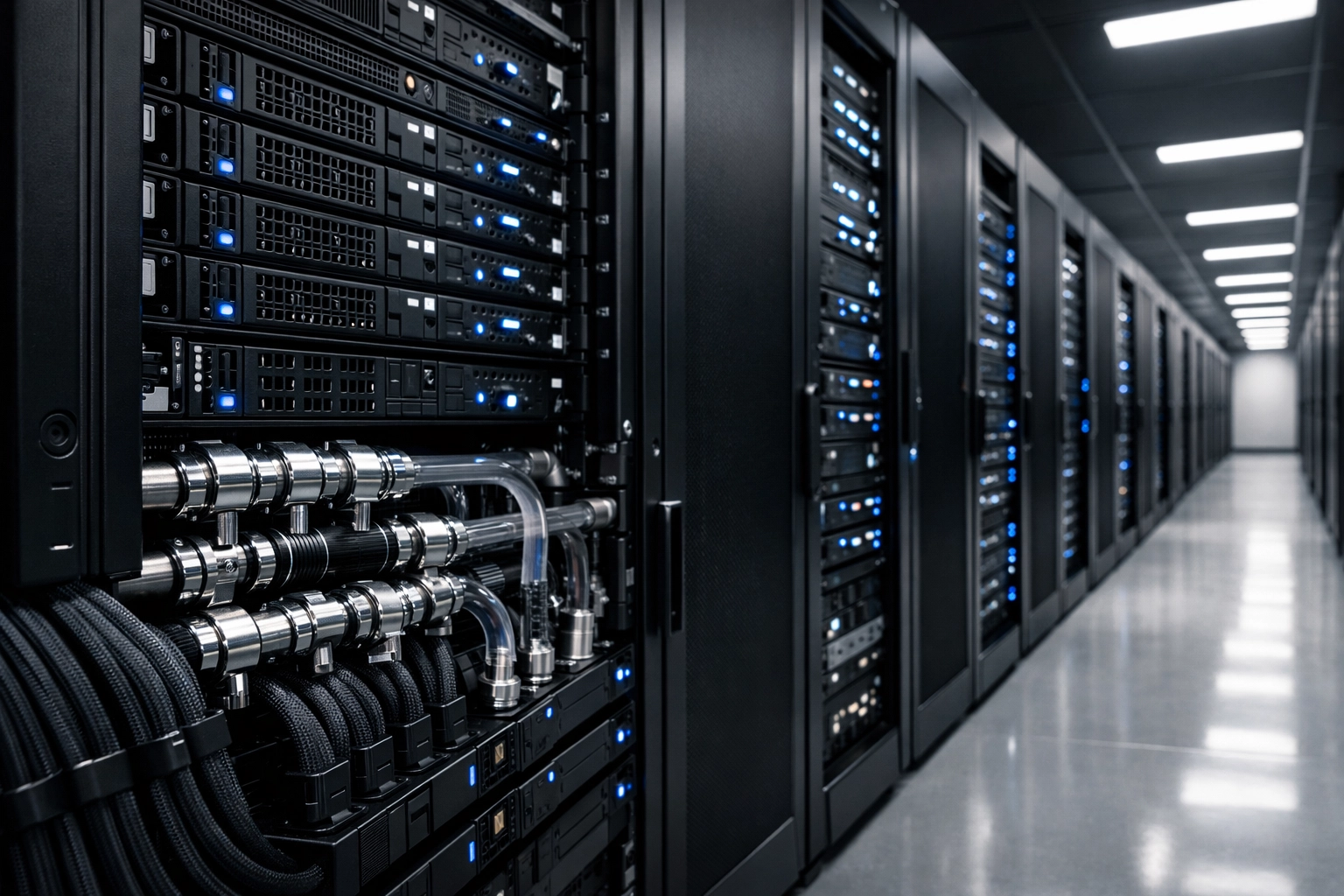
One of the most significant changes in the 2026 NEC (specifically Section 110.26) involves the physical space around electrical equipment. Historically, clearances were often calculated with equipment doors closed. However, the 2026 update clarifies that working space must remain compliant even when equipment doors are open.
The code now mandates a minimum 24-inch egress path, measured specifically at a 90-degree door opening. For many cramped server rooms where IT racks are squeezed next to UPS cabinets or PDU panels, this is a game-changer. You can no longer rely on a clearance that disappears the moment a technician opens a panel to swap a module. This requirement ensures that in the event of an arc flash or fire, personnel have a clear, unobstructed path to exit the room, even if the equipment they were working on is mid-service.
This change may require facility managers to reconsider their floor plans. If your current rack layout prevents a 24-inch path with doors open, you may need to look into high-density IT racks that offer better cable management and slimmer profiles to reclaim that vital floor space.
2. Mandatory Surge Protection for Standby Systems
Surge Protective Devices (SPDs) have long been required for "life safety" systems (like emergency lighting and fire pumps). However, the 2026 NEC expands this requirement to legally required standby systems. In the context of a data center, this often includes the systems that keep your primary cooling and core networking hardware running during a utility failure.
The expansion of SPD requirements acknowledges a modern reality: electronic components are getting smaller and more sensitive. A surge that might have been ignored by a 1990s-era transformer can easily fry a modern 3nm processor or a high-efficiency UPS controller. Brands like APC by Schneider Electric and Vertiv have already begun integrating more robust, coordinated surge suppression into their lineups to meet these standards. Implementing Real-Time Solutions means ensuring that your power protection isn't just about battery backup, but about the total "health" of the sine wave entering your gear.
3. Emergency Power and 5-Inch Concrete Encasement
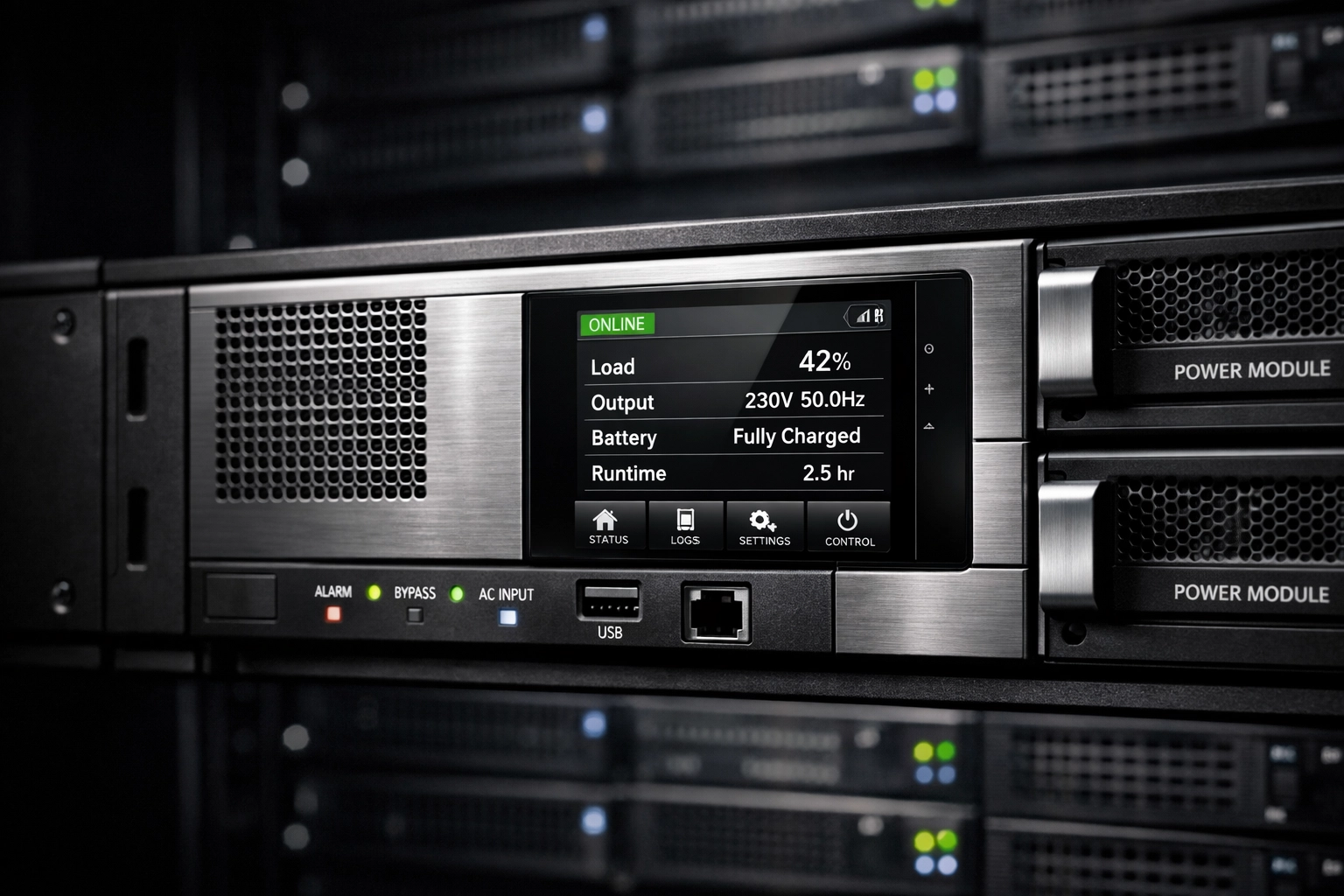
The 2026 NEC has significantly raised the bar for protecting the "arteries" of your facility: the emergency and standby power feeders. Previous versions of the code allowed for these feeders to be protected by two inches of concrete. The 2026 update has increased this requirement to five inches of concrete, or the use of UL-listed two-hour fire-rated alternatives.
For facilities located in urban environments or high-rise buildings, this change has massive implications for structural loads and installation costs. If you are installing a new backup generator or a large-scale UPS system, the routing of your feeders must now account for this increased protection. This is a move toward high-availability standards (reminiscent of Tier III and Tier IV requirements) where the physical survivability of the power path is as important as the equipment itself.
4. Expansion of GFCI in Non-Dwelling Locations
While Ground Fault Circuit Interrupter (GFCI) protection is often associated with residential kitchens and baths, the 2026 NEC continues to expand its reach into commercial and industrial spaces. New GFCI classes (C, D, and E) have been defined for applications where standard Class A devices might cause "nuisance tripping" due to the inherent leakage current of high-end IT gear.
Facility managers must now carefully evaluate where GFCIs are required in the server room: particularly around cooling units, pumps, and general-purpose outlets. Choosing the correct class of GFCI is essential; the wrong choice could lead to unexpected downtime, while no choice at all leads to a code violation.
5. Enhanced Equipment Labeling for Energized Work
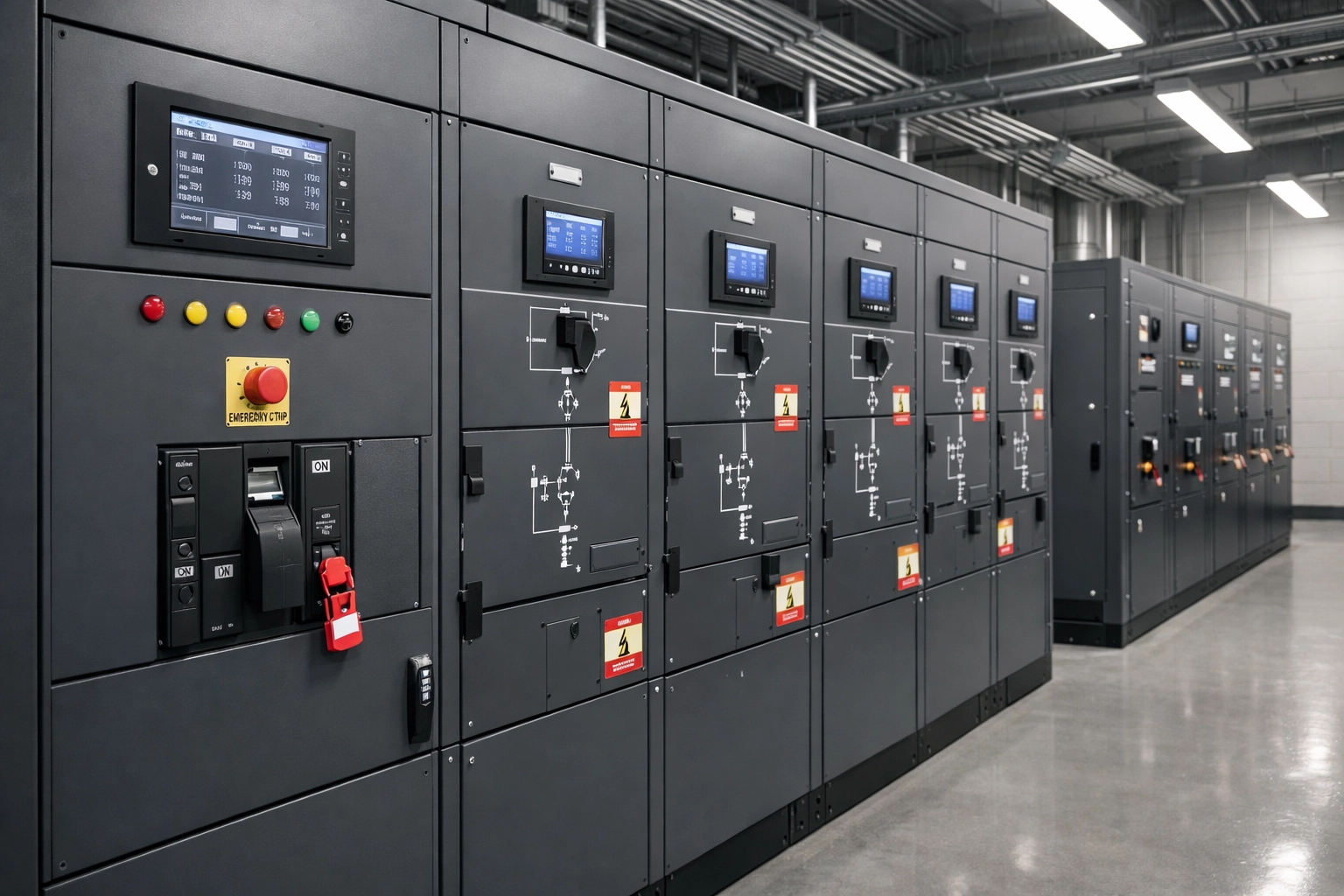
As data centers strive for 100% uptime, "hot work" or working on energized equipment is sometimes unavoidable. The 2026 NEC expands the labeling requirements for any equipment that may be examined, adjusted, or serviced while energized. These labels must now provide more granular detail regarding the specific hazards present, including arc flash boundaries and required PPE.
Using high-quality labeling systems and ensuring that your Minuteman Technologies or CyberPower UPS systems are properly tagged is not just a safety requirement: it is a critical part of your facility's documentation and risk management strategy.
The 2026 NEC Roadmap: 5 Steps to Compliance
To ensure your facility remains a leader in reliability and safety, follow this roadmap for 2026 NEC alignment:
- Conduct a Clearance Audit: Measure your egress paths with all equipment doors at a 90-degree angle. If you don't have 24 inches of clear space, prioritize a rack or PDU migration.
- Evaluate SPD Coordination: Review your "legally required" standby systems. Ensure that surge protection is installed at every level of the power chain, from the service entrance to the rack-level PDU.
- Verify Fire-Rating Specs: If you are planning an expansion, ensure your electrical contractors are aware of the new 5-inch concrete/2-hour fire-rating requirements for emergency feeders.
- Update Hazard Labeling: Audit all UPS cabinets, switchgear, and PDUs. Ensure that arc flash and energized work labels reflect 2026 standards.
- Schedule a Power Audit: Professional assessment is the only way to catch hidden non-compliance. Request a power audit or solution design from Ace Real Time Solutions to identify gaps in your current infrastructure.
Technical Depth: Beyond the Basics
When we talk about high-density environments, we are often looking at UPS efficiency ratings and MW per rack metrics. Modern UPS systems, such as those from our partners at Vertiv and APC, often feature "Eco-mode" or "eConversion" settings that can reach 99% efficiency. However, the 2026 NEC reminds us that efficiency cannot come at the cost of safety.
For instance, bypass-isolation transfer switches are now mandatory in many more occupancy types. This allows for the maintenance of the transfer switch without interrupting power to the load: a key component of achieving Tier III or IV "concurrently maintainable" status. At Ace Real Time Solutions, we view these code updates not as hurdles, but as the framework for building a more resilient, sustainable, and high-performing digital world.
Need to ensure your server room is 2026 NEC compliant? Don't wait for a failed inspection or an equipment failure to take action. Ace Real Time Solutions provides the expertise and hardware from industry leaders like APC, CyberPower, and Vertiv to keep your facility at the top of its game.
- Download a technical spec sheet
- Schedule a comprehensive power audit
- Contact our team for a custom solution design
FAQ: Navigating the 2026 NEC Changes
What is the "24-inch rule" in the 2026 NEC? The 2026 NEC requires a minimum 24-inch wide egress path in front of electrical equipment, and this measurement must be maintained even when equipment doors are opened to a 90-degree position. This ensures personnel can safely exit the area during maintenance or emergencies.
How does the 2026 NEC affect UPS installations? The code now requires surge protective devices (SPDs) on all legally required standby systems, which includes most UPS systems supporting critical infrastructure. Additionally, new labeling requirements for energized work and stricter GFCI Class definitions may change how UPS units are installed and serviced.
Why did the fire-rating requirement for feeders change to 5 inches of concrete? The increase from 2 inches to 5 inches (or a 2-hour fire-rated equivalent) is intended to enhance the survivability of emergency power paths. This ensures that critical systems remain operational during a fire event, providing a higher level of safety for occupants and protecting mission-critical data infrastructure.