

Supply Chain Chaos Got You Worried? Here's How to Future-Proof Your Power Protection Right Now
If you think supply chain disruptions are just about shipping delays and component shortages, think again. The next major supply chain crisis is brewing right in the power grid, and it's about to hit harder than anyone expected.
Nearly 89% of global executives experienced energy-related disruptions in the past year, with 83% warning that power reliability will drive the next major supply chain crisis. The U.S. Department of Energy has issued a stark warning: power outages could increase by 100 times by 2030 if suppliers don't add capacity during peak demand periods. That's not a typo: 100 times.
The perfect storm is brewing. AI adoption is exploding, data centers currently consume 4.4% of U.S. electricity (and that could triple by 2028), and three-quarters of executives expect their power requirements to increase by 10-50% over the next five years. Meanwhile, the grid isn't keeping pace, and most organizations are woefully unprepared.
The Reality Check: Most Companies Are Flying Blind
Here's the uncomfortable truth: only 27% of organizations possess what industry experts call "advanced power resilience" capabilities. That means 73% of companies are operating with critical vulnerabilities that threaten operational continuity.
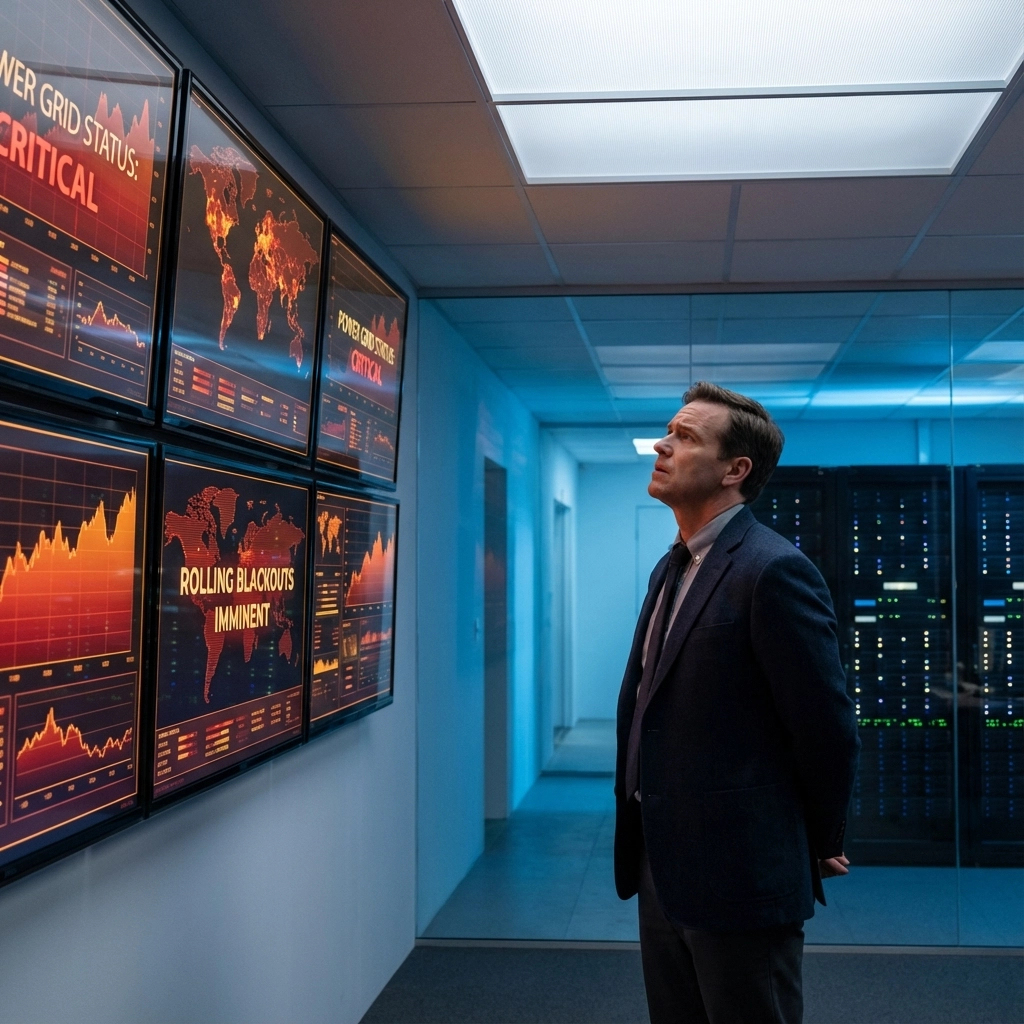
Just over half of organizations are unprepared for extended power losses. Think about that for a moment: if the lights go out for more than a few hours, most companies are essentially helpless. Companies experiencing even one to five major outages per year are actively reconsidering their operational locations, with nearly eight in ten leaders saying they'd consider relocating operations after such disruptions.
The financial impact is staggering. Supply chain disruptions already cost organizations an estimated $184 billion annually, and power-related issues are becoming an increasingly large slice of that pie. For data centers specifically, downtime can cost anywhere from $7,900 to $11,600 per minute, according to recent industry reports.
Why Traditional Approaches Are Failing
The old playbook of having a backup generator and calling it a day simply doesn't cut it anymore. Here's what's changed:
AI Workloads Are Different Animals AI training requires thousands of graphics processing units running continuously for months. These aren't your typical server loads: they're power-hungry beasts that run at maximum capacity 24/7. Traditional power protection systems designed for standard IT equipment often can't handle these sustained high-power demands.
Grid Instability Is Increasing Extreme weather events, aging infrastructure, and increasing demand are making power grids less reliable, not more. The traditional assumption that grid power is "always there" is becoming dangerously outdated.
Supply Chain Complexity Has Multiplied Modern operations depend on complex networks of suppliers, partners, and remote facilities. A power outage at one location can cascade through the entire supply chain, creating disruptions far beyond the immediate area affected.
Your Strategic Action Plan for Power Protection
1. Conduct a Comprehensive Power Resilience Audit
Before you can fix the problem, you need to understand exactly where you stand. Map out every critical system, identify single points of failure, and assess your current backup capabilities. Don't just look at your primary facility: consider your entire operational ecosystem, including key suppliers and partners.
Key questions to ask:
- How long can each critical system operate on backup power?
- What's your recovery time if the primary power source fails?
- Which operations are most vulnerable to power disruptions?
- Do you have real-time visibility into power consumption and quality?
2. Diversify Your Energy Portfolio
Relying solely on grid power is like putting all your eggs in one basket. Smart organizations are building diverse energy portfolios that include multiple sources and storage options.
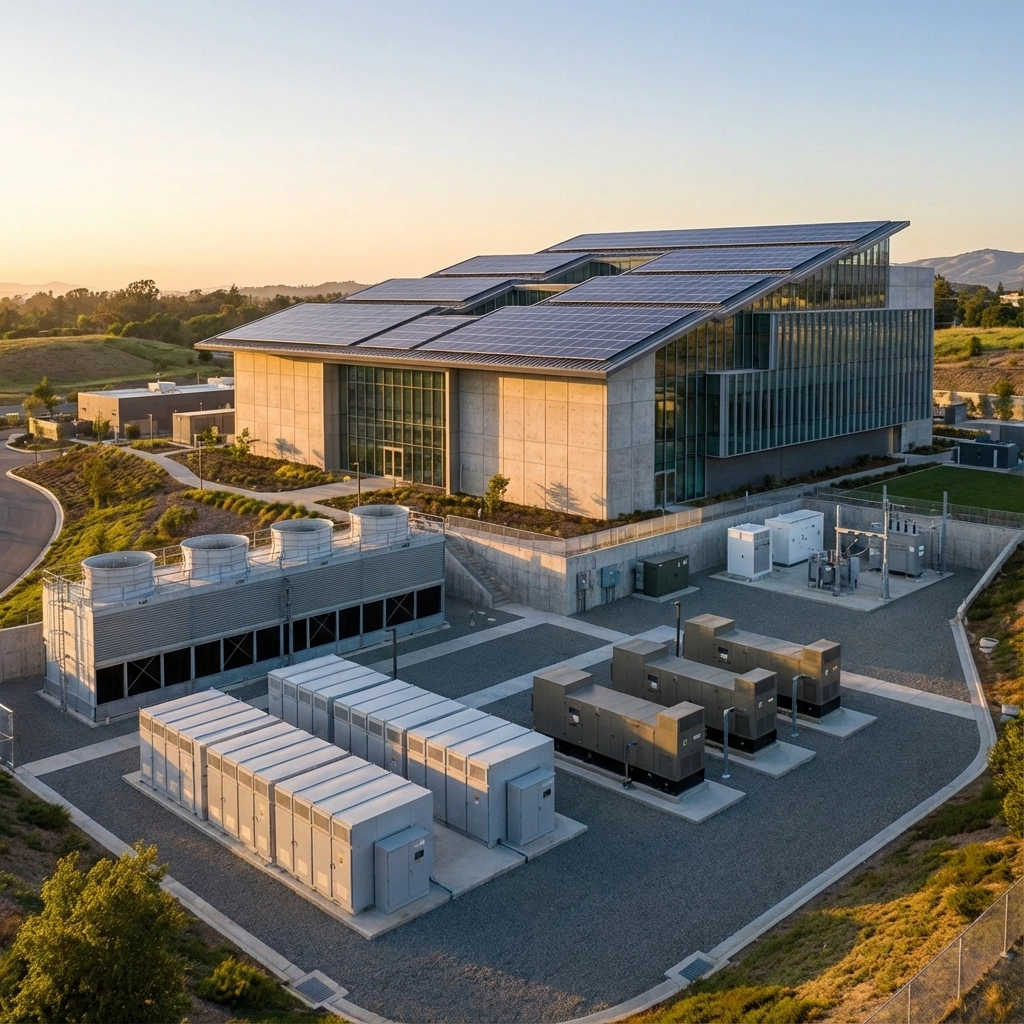
Solar and Battery Storage Installing on-site solar panels with battery storage provides independence from grid fluctuations. Modern battery systems can provide hours or even days of backup power, depending on your configuration.
Multiple Grid Connections If possible, secure connections from different power grids or substations. This redundancy ensures that if one source fails, you have alternatives immediately available.
Smart Power Management Deploy systems that can automatically switch between power sources based on availability, cost, and quality. This isn't just about backup: it's about optimizing your entire power strategy.
3. Design for AI-Era Power Demands
If you're not planning for AI workloads, you're planning to be left behind. Even if you're not running AI applications today, your customers, suppliers, or competitors probably are: and that affects you.
Upgrade Your Infrastructure Capacity Plan your electrical systems with exponential demand growth in mind. It's far cheaper to install higher-capacity infrastructure now than to retrofit later when you're desperately trying to meet demand.
Implement Advanced Cooling Solutions AI workloads generate massive amounts of heat. Your power protection strategy must account for increased cooling demands, which can double or triple your total power requirements.
4. Prioritize Geographic Power Strategy
Energy reliability has now surpassed tariffs and labor costs as the top factor in facility location decisions. When evaluating new locations or expansions, make power grid reliability your primary criterion.
Research these factors for potential locations:
- Historical power outage frequency and duration
- Grid modernization investments and timelines
- Renewable energy availability and reliability
- Local utility company stability and responsiveness
- Proximity to power generation sources
5. Build Smart Monitoring and Analytics
You can't manage what you can't measure. Deploy real-time power monitoring systems that provide comprehensive visibility into consumption patterns, power quality, and potential vulnerabilities.
Modern monitoring systems can:
- Predict equipment failures before they cause outages
- Identify energy waste and optimization opportunities
- Provide early warning of grid instability
- Track power quality metrics that affect sensitive equipment

Integration with Broader Supply Chain Resilience
Power protection doesn't exist in a vacuum. In 2025, tariffs and trade restrictions have emerged as the preeminent supply chain challenge, creating compounding effects on your power strategy. Companies delaying infrastructure investments due to tariff uncertainty may be creating future vulnerabilities.
Consider these interconnected risks:
Cybersecurity Threats Your power protection systems are increasingly connected and automated, making them potential targets for cyberattacks. Ensure your power management systems include robust cybersecurity measures.
Natural Disasters and Climate Change Extreme weather events are becoming more frequent and severe. Your power protection strategy should account for infrastructure damage from floods, hurricanes, wildfires, and other climate-related disasters.
Geopolitical Instability International tensions can affect everything from equipment availability to cyber threat levels. Build redundancy that accounts for potential disruptions to global supply chains.
Implementation: Where to Start
If this seems overwhelming, don't panic. Start with these immediate steps:
- Assess your current vulnerabilities - You can't fix what you don't know about
- Identify your most critical operations - Not everything needs the same level of protection
- Upgrade your most vulnerable systems first - Focus on the biggest risks with the highest impact
- Consult with power protection experts - This isn't a DIY project for most organizations
For comprehensive power protection solutions tailored to your specific needs, consider partnering with experienced providers who understand both current challenges and future requirements. Contact our team to discuss how we can help future-proof your operations.
The Bottom Line
The convergence of AI adoption, grid instability, and supply chain complexity is creating a perfect storm that threatens unprepared organizations. The companies that invest in comprehensive power protection strategies now will be the ones that maintain operational continuity while competitors struggle with power-driven disruptions.
The question isn't whether power-related supply chain disruptions will affect your business: it's whether you'll be ready when they do. The time to act is now, while you still have the luxury of planning rather than reacting to crisis.
Don't wait for the lights to go out to discover your vulnerabilities. Your future competitiveness: and perhaps your business survival( depends on the power protection decisions you make today.)