

Stop Wasting Money on Power Outages: 5 Smart Automation Hacks Every Business Owner Needs
Power outages cost the average business $7,900 per minute according to Gartner research, yet most companies still rely on outdated manual processes to manage power disruptions. While you can't control when the grid fails, you can automate your response to minimize downtime and financial losses. Smart automation technologies are revolutionizing how businesses handle power protection, turning reactive crisis management into proactive, intelligent systems.
The difference between businesses that thrive during outages and those that suffer catastrophic losses often comes down to automation. Manual generator starts, delayed notifications, and reactive troubleshooting can extend downtime from minutes to hours. However, companies implementing smart automation strategies report up to 75% reduction in outage-related costs and 90% faster recovery times.
Automated Power Monitoring and Predictive Analytics
The first line of defense against costly outages is knowing they're coming before they happen. Modern power monitoring systems use AI and machine learning to analyze electrical patterns, weather data, and equipment performance to predict failures 3-6 months in advance.
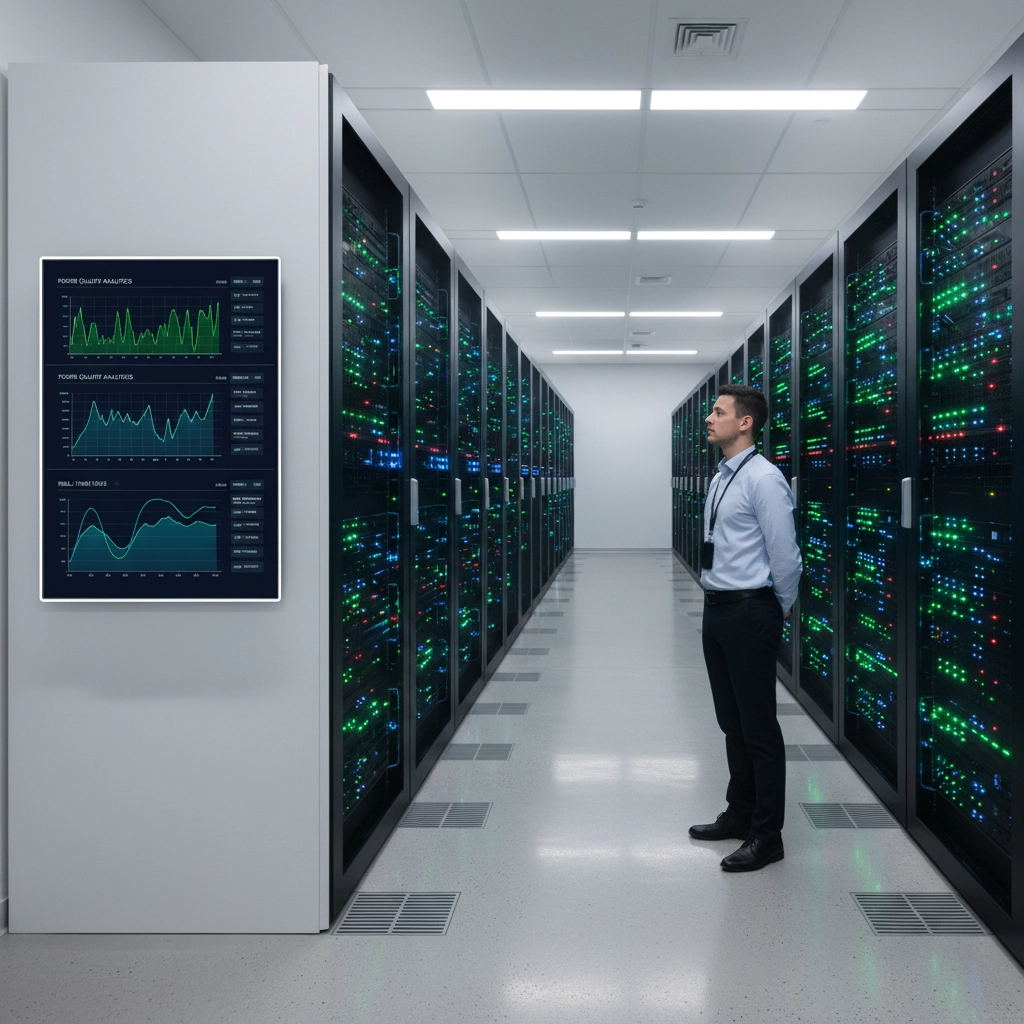
These systems continuously monitor power quality metrics like voltage fluctuations, harmonics, and frequency variations. When patterns indicate potential equipment failure, automated alerts trigger maintenance schedules before catastrophic failure occurs. One manufacturing client reduced unplanned downtime by 60% after implementing predictive monitoring that identified transformer issues two months before failure.
Key automation features include:
- Real-time power quality analysis with instant notifications
- Automated maintenance scheduling based on predictive algorithms
- Integration with facility management systems for coordinated responses
- Historical trend analysis to identify recurring power quality issues
The ROI typically pays for itself within the first prevented outage. Consider that a single four-hour outage costs the average data center $740,000 according to the Ponemon Institute - making predictive monitoring a critical investment for any facility dependent on continuous power.
Smart UPS Systems with Remote Management
Traditional UPS systems require manual monitoring and intervention during outages. Smart UPS automation eliminates human error and response delays by automatically managing power transitions, load prioritization, and runtime optimization.
Modern intelligent UPS systems can communicate with connected equipment to gracefully shut down non-critical systems when battery runtime is limited, extending protection for essential operations. This automated load shedding can triple effective runtime for critical systems during extended outages.
Advanced features include:
- Automatic load prioritization during battery operation
- Remote monitoring and diagnostics via cloud platforms
- Predictive battery replacement notifications before failure
- Integration with building management systems for coordinated responses
A technology company in Austin prevented $2.3 million in losses during a 6-hour grid outage by implementing smart UPS automation that automatically shut down development servers while maintaining production systems and cooling infrastructure throughout the event.
Automated Backup Generator Management
Manual generator operation introduces multiple failure points - from human response delays to operational errors under pressure. Automated generator systems eliminate these risks while optimizing fuel consumption and maintenance scheduling.
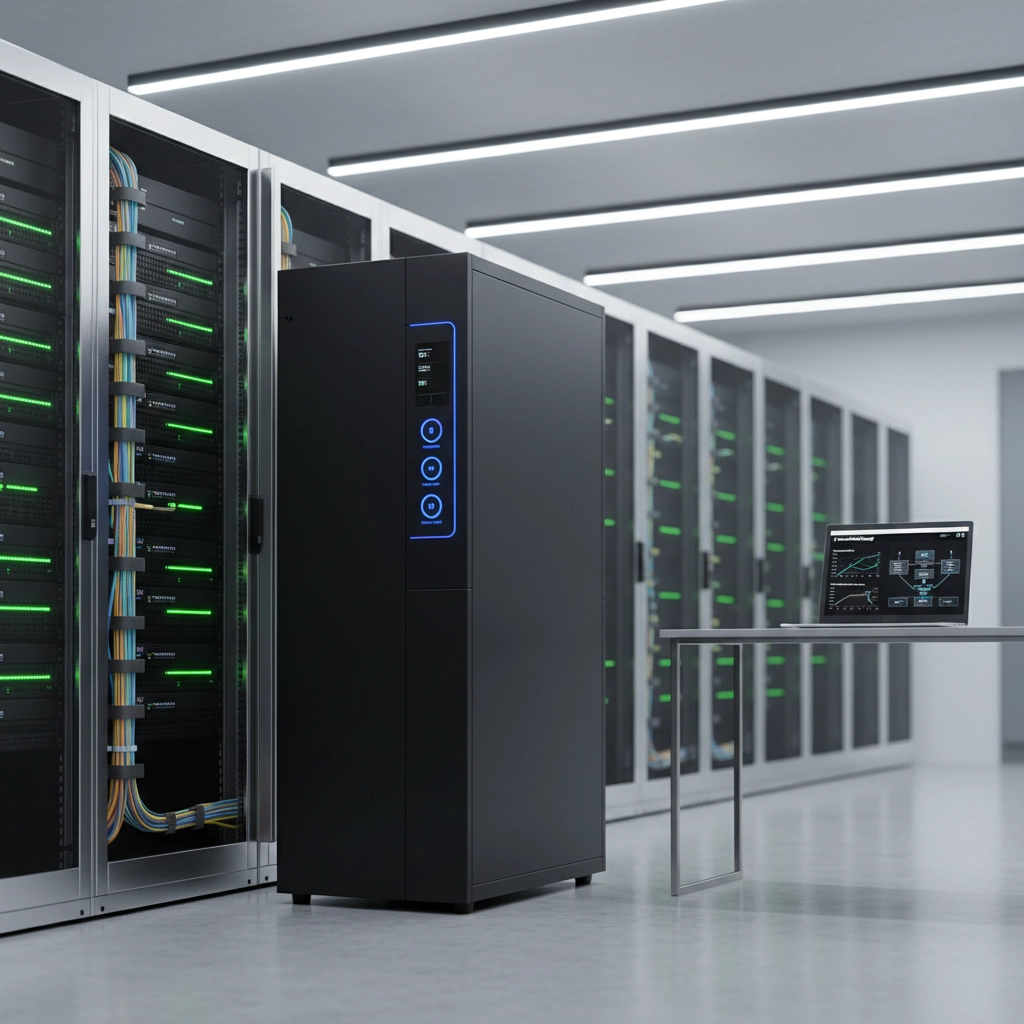
Smart generator controllers continuously monitor grid conditions and can predict outages based on utility signals or voltage anomalies. Pre-positioning systems can start generators before complete power loss, ensuring seamless transitions with zero downtime for critical loads.
Automation capabilities include:
- Automatic weekly exercise routines with performance logging
- Fuel level monitoring with automated delivery scheduling
- Remote diagnostics and troubleshooting capabilities
- Load bank testing automation to verify capacity
One data center operator reduced generator-related outages by 85% after implementing automated systems that eliminated manual startup procedures and optimized fuel management. The system now handles 40+ outage events annually with zero human intervention required.
Intelligent Power Distribution and Switching
Automated power distribution systems can isolate faults and reroute power within seconds, minimizing outage scope and duration. These systems use smart switches and automated transfer equipment to maintain power to critical loads even when primary feeds fail.
Modern power distribution automation includes real-time fault detection, automatic load transfer between power sources, and intelligent load shedding during capacity constraints. This technology can reduce outage duration from hours to minutes while limiting impact to only affected circuits.
Implementation considerations:
- Automated transfer switches for seamless source switching
- Smart breakers with remote operation capabilities
- Real-time power flow monitoring and automatic optimization
- Integration with utility smart grid systems for coordinated responses
A healthcare facility reduced critical system outages by 95% using automated distribution that instantly switches between utility feeds, on-site generation, and battery backup based on real-time power quality analysis.
Automated Emergency Response and Communication Systems
The most sophisticated automation hack coordinates all power protection systems while automatically managing communication and emergency response procedures. These systems can simultaneously notify stakeholders, activate backup systems, and execute predetermined emergency protocols within seconds of detecting power issues.
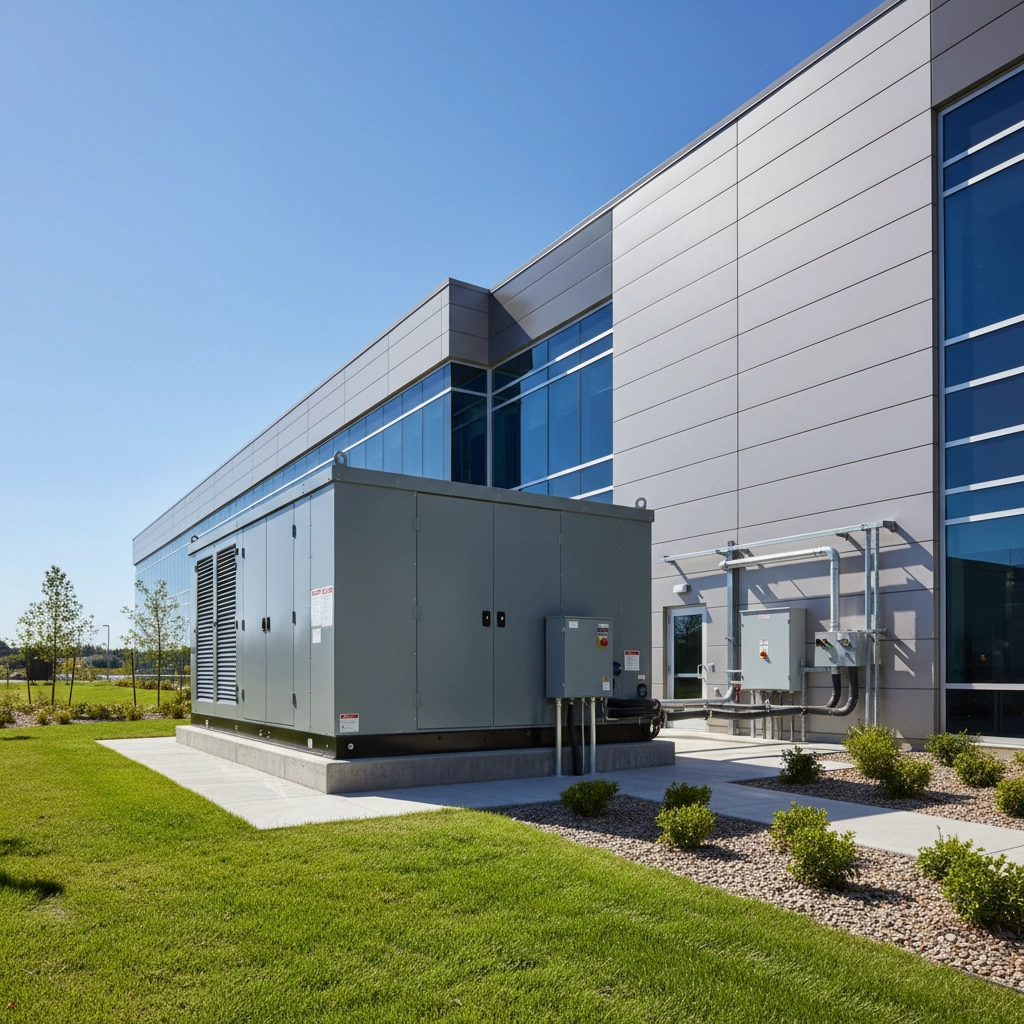
Integrated automation platforms connect UPS systems, generators, HVAC controls, security systems, and communication tools into unified emergency response workflows. When power issues occur, automated sequences ensure optimal system responses while keeping all stakeholders informed with real-time updates.
Advanced response automation includes:
- Automatic stakeholder notifications via multiple communication channels
- Coordinated HVAC and cooling system management during outages
- Security system integration for facility protection during emergencies
- Automated utility coordination and outage reporting
Maximizing ROI Through Strategic Implementation
Successful power automation requires strategic planning and proper equipment selection. Start with automated monitoring systems to establish baseline power quality data, then add UPS automation and generator controls based on criticality requirements.
The most effective implementations follow a phased approach:
- Implement power monitoring and predictive analytics first
- Add smart UPS systems for critical loads
- Integrate automated generator management
- Deploy intelligent distribution automation
- Implement comprehensive emergency response coordination
Working with experienced power protection specialists ensures proper system design and integration. Professional assessment can identify the highest-impact automation opportunities while avoiding costly implementation mistakes.
Conclusion
Smart automation transforms power outages from business disasters into manageable events. By implementing these five automation strategies, businesses can reduce outage costs by 60-80% while improving system reliability and response times.
The key to success is starting with proper assessment and planning. Each facility has unique power protection requirements based on load criticality, existing infrastructure, and business continuity needs.
Ready to stop losing money to power outages? Contact our power protection specialists for a comprehensive automation assessment. We'll help you identify the highest-impact automation opportunities and develop an implementation plan that maximizes ROI while ensuring business continuity.
Meta Description: Learn 5 smart automation hacks to reduce power outage costs by up to 80%. Discover how predictive monitoring, smart UPS systems, and automated generators protect your business from costly downtime.
Related Posts:
- Essential UPS Sizing Guidelines for Modern Data Centers
- Backup Generator Selection: Diesel vs Natural Gas for Business Applications
- Power Quality Issues That Damage IT Equipment (And How to Prevent Them)
What automation strategies has your business implemented to reduce outage risks? Share your experiences and questions in the comments below.