
Solar + UPS Integration: The Ultimate Guide to Never Losing Power Again
Power outages cost businesses an average of $7,900 per minute according to Gartner research, making reliable backup power systems critical for modern operations. While traditional UPS systems provide immediate protection during grid failures, integrating solar power creates a comprehensive solution that delivers both emergency backup and long-term energy savings. This hybrid approach combines the instantaneous response of UPS technology with the sustainable power generation of solar panels, ensuring your critical systems never go down while reducing operational costs.
Solar + UPS integration has become increasingly popular as businesses seek both reliability and sustainability. Unlike standalone backup systems that only activate during outages, an integrated solar-UPS solution works continuously: generating clean energy during normal operations while maintaining full backup capability when the grid fails.
Understanding System Architecture Options
The foundation of successful solar-UPS integration lies in choosing the right system architecture. Two primary approaches dominate the market: AC coupling and DC coupling, each offering distinct advantages depending on your specific requirements.
DC coupling connects solar panels directly to a charge controller that manages power flow to your battery bank. The inverter then converts stored DC power to AC for your equipment. This approach offers superior efficiency since power undergoes fewer conversions, typically achieving 94-96% system efficiency. DC coupling works exceptionally well for new installations where you can design the entire system from scratch.
AC coupling involves solar inverters generating AC power that integrates with existing UPS systems through the AC bus. While slightly less efficient due to additional power conversions, AC coupling provides tremendous flexibility for retrofitting existing UPS installations. This approach allows you to add solar capability to proven UPS systems without major infrastructure changes.
For data centers and mission-critical applications, many operators prefer AC coupling because it maintains the isolation and redundancy of existing UPS systems while adding solar capability as an enhancement rather than a replacement.
Essential System Components
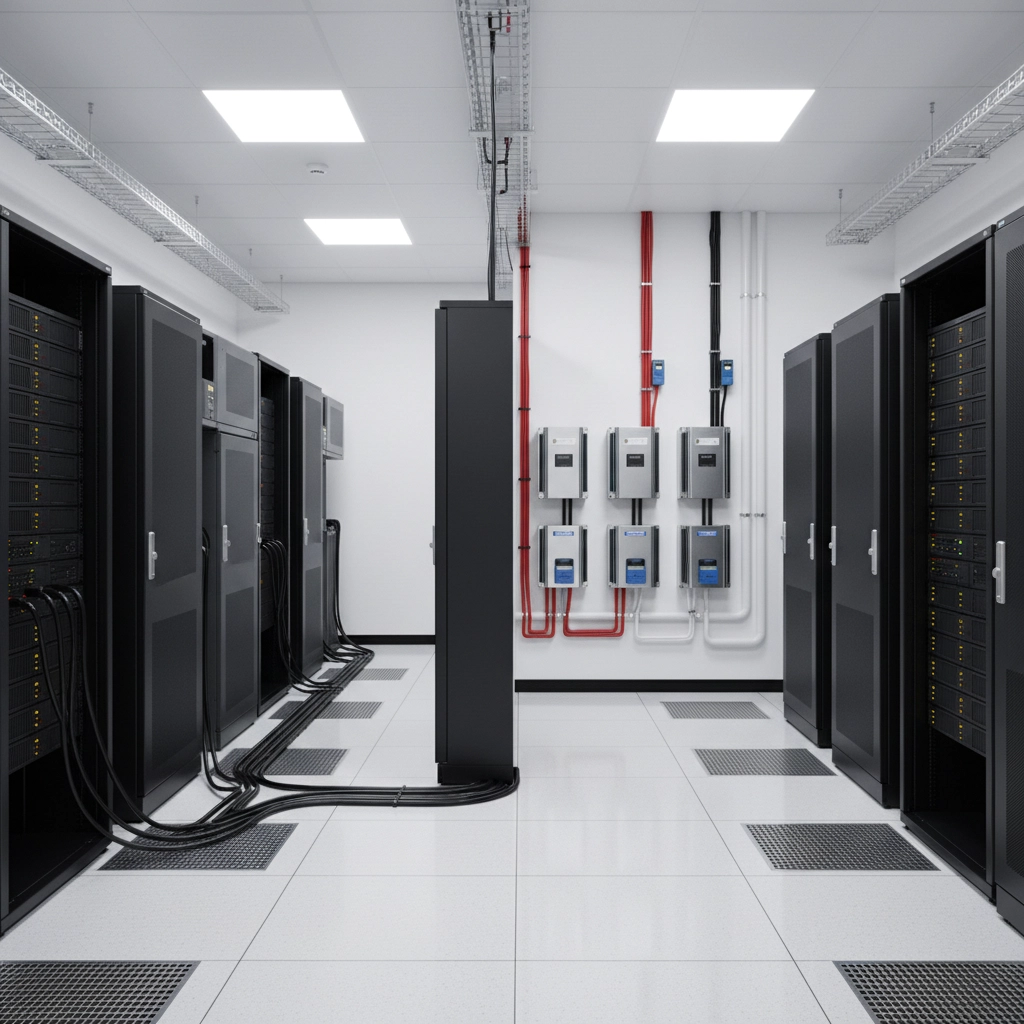
A properly integrated solar-UPS system requires several key components working in harmony to deliver reliable power protection.
Solar panels form the energy generation foundation, typically requiring 1.2-1.5 times your average daily energy consumption to account for weather variations and seasonal changes. For commercial applications, high-efficiency monocrystalline panels offer the best performance per square foot of roof space.
Charge controllers regulate power flow from solar panels to prevent battery damage and optimize charging efficiency. Modern MPPT (Maximum Power Point Tracking) controllers can increase energy harvest by 15-30% compared to basic PWM controllers, making them essential for commercial installations.
Battery systems store generated energy for use during outages or peak demand periods. Lithium-ion batteries have largely replaced lead-acid in commercial applications due to their 10-15 year lifespan, 95% depth of discharge capability, and minimal maintenance requirements. Size your battery bank to provide 4-8 hours of runtime for critical loads.
Inverters convert DC power to AC for your equipment. Choose inverters with pure sine wave output and surge capacity of at least 2x your continuous load rating to handle motor starts and other high-inrush equipment common in data centers.
Monitoring systems provide real-time visibility into system performance, energy production, and battery status. Modern systems offer remote monitoring capabilities that integrate with existing building management systems.
Installation Process and Best Practices
Successful installation follows a structured approach that begins with comprehensive load analysis and site assessment.
Load Assessment: Document your critical loads, their power requirements, and runtime expectations during outages. This analysis drives all subsequent sizing decisions and helps identify which loads truly require backup power versus those that can safely shut down during emergencies.
Site Planning: Evaluate roof conditions, structural capacity, and solar exposure. South-facing roofs with minimal shading provide optimal performance, but east-west configurations can work effectively with proper system design. Consider future expansion needs when planning component locations.
Electrical Integration: Plan your electrical connections carefully to maintain proper isolation between solar generation, battery storage, and critical loads. Use appropriately rated breakers and disconnects throughout the system, following NEC Article 690 for solar installations and Article 480 for battery systems.
Component Installation: Install solar panels using proper mounting systems rated for your local wind and snow loads. Position batteries in climate-controlled environments when possible, as temperature extremes significantly impact performance and lifespan.
System Commissioning: Test all components individually before energizing the complete system. Verify proper operation of automatic transfer switches, battery charging systems, and monitoring equipment. Document baseline performance metrics for future reference.
Design Considerations for Commercial Applications
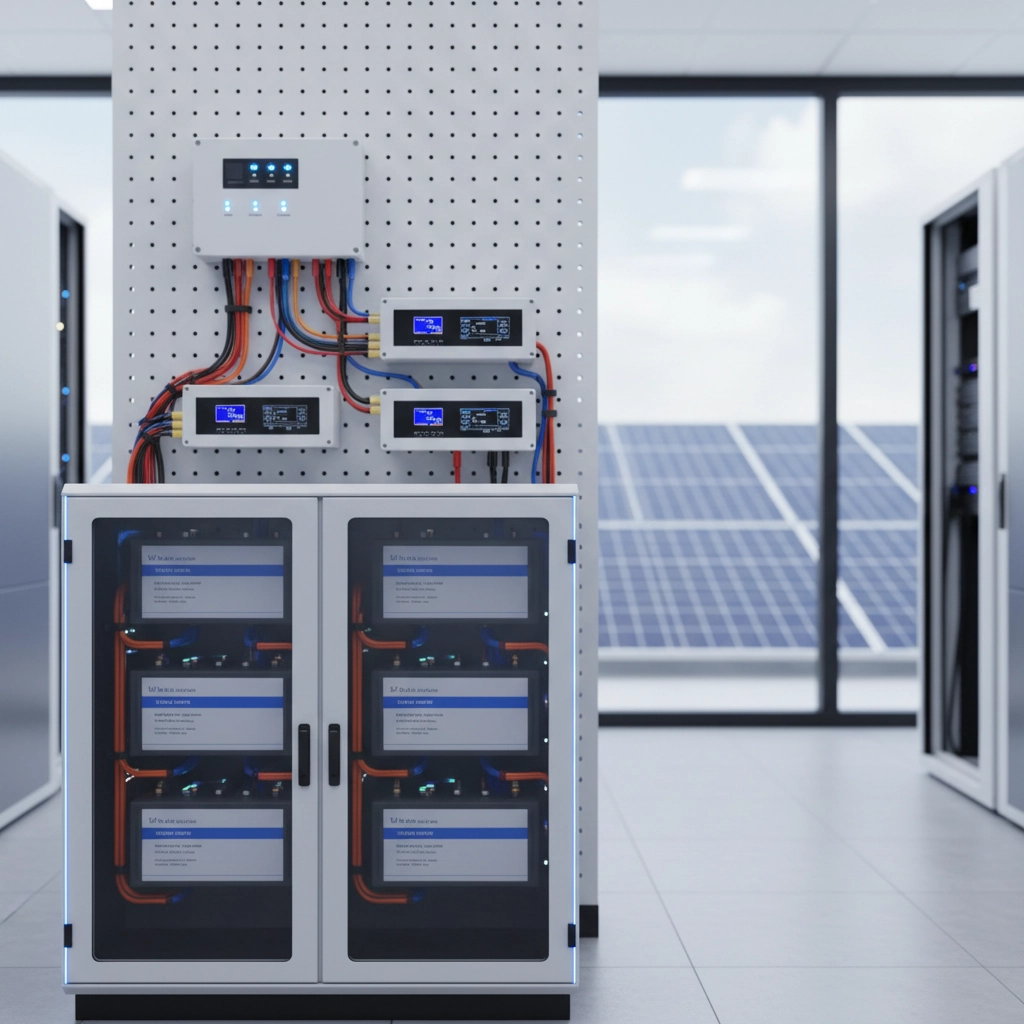
Commercial solar-UPS systems require careful attention to scaling, redundancy, and maintainability considerations that differ significantly from residential applications.
Sizing for Growth: Plan for 20-30% load growth over the system's 20-25 year lifespan. This might mean oversizing inverters and leaving space for additional battery capacity rather than installing minimum-viable systems that become inadequate as your operations expand.
Redundancy Planning: Critical applications often require N+1 redundancy in both UPS and solar generation capacity. This might involve multiple smaller inverters rather than single large units, or segmented battery banks that can operate independently if needed.
Maintenance Access: Design installations with proper clearances for component replacement and maintenance. Battery systems require periodic testing and eventual replacement, while solar panels need periodic cleaning and inspection access.
Grid Integration: Work with your utility to understand interconnection requirements and net metering policies. Some utilities limit the size of grid-tied solar systems, which may influence your system design approach.
Code Compliance: Ensure installations meet all applicable electrical codes, fire codes, and building codes. Many jurisdictions have specific requirements for battery storage systems and solar installations that affect placement and installation methods.
Safety and Operational Considerations
Safety represents the paramount concern in any power system installation, particularly when combining high-voltage DC solar with battery storage systems.
Electrical Safety: Install proper arc-fault protection on DC circuits and ground-fault protection throughout the system. Use rapid shutdown devices as required by NEC 690.12 to ensure solar panels can be safely de-energized during emergencies.
Fire Safety: Lithium-ion battery systems require specialized fire suppression systems and thermal monitoring. Work with your local fire department to ensure they understand your system configuration and emergency procedures.
Personnel Safety: Establish lockout/tagout procedures for maintenance activities and ensure all personnel receive proper training on working with DC power systems. High-voltage DC presents unique hazards that differ from AC systems.
System Monitoring: Implement comprehensive monitoring that tracks not just performance metrics but also safety parameters like battery temperature, voltage imbalances, and ground fault conditions. Many insurance companies now require this level of monitoring for commercial installations.
Return on Investment and Business Case
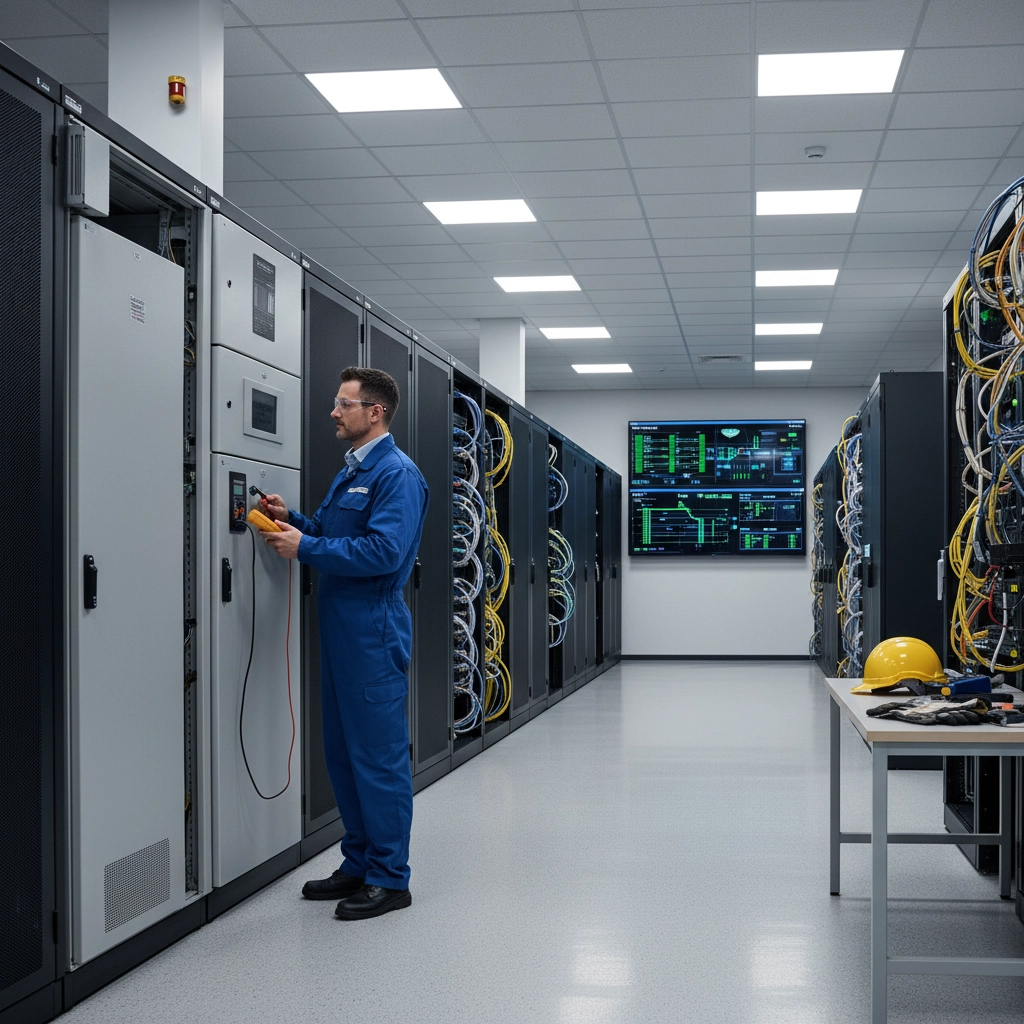
The financial benefits of solar-UPS integration extend beyond simple energy savings to include reduced downtime risk, improved power quality, and potential tax incentives.
Energy Savings: Well-designed systems typically achieve 30-50% reduction in electricity costs while providing full backup capability. Peak shaving during high-demand periods can deliver additional savings in demand charge reductions.
Downtime Prevention: The combination of immediate UPS backup with extended solar-charged battery runtime significantly reduces outage risk. For facilities where downtime costs $5,000-$25,000 per hour, this protection delivers substantial value.
Incentive Programs: Federal tax credits (currently 30% through 2032), state rebates, and accelerated depreciation can significantly improve project economics. Many utilities also offer additional incentives for commercial solar installations.
Maintenance Savings: Modern solar-UPS systems require less maintenance than traditional generator-based backup systems, reducing ongoing operational costs while providing superior reliability.
Conclusion and Next Steps
Solar-UPS integration represents a strategic investment in both operational resilience and long-term sustainability. By combining immediate backup power with renewable energy generation, these systems deliver comprehensive protection against power outages while reducing operating costs and environmental impact.
Success requires careful planning, proper component selection, and professional installation that addresses your specific operational requirements. The complexity of integrating these technologies makes working with experienced power protection specialists essential for achieving optimal results.
Ready to explore solar-UPS integration for your facility? Contact our team for a comprehensive assessment of your power protection needs and learn how this technology can enhance your operational resilience while reducing energy costs. Our power protection experts can help design and implement a solution tailored to your specific requirements and budget.
For more insights on power protection strategies, explore our comprehensive UPS systems resources and discover how modern power protection technologies can support your business continuity objectives.