

Power Outage Planning for Families: What to Do Before, During, and After the Lights Go Out
Power outages can strike without warning, turning your comfortable home into a challenge zone. Whether it's a summer storm knocking down power lines, winter ice causing transformer failures, or equipment issues at the utility company, blackouts are an inevitable part of life. The key difference between families who handle outages smoothly and those who struggle lies in one thing: preparation.
Having been through countless power outages with customers over the years, I've seen firsthand how proper planning makes all the difference. Some families barely notice a few hours without electricity, while others find themselves scrambling in the dark, worried about spoiled food, dead phones, and keeping everyone safe.
Let's walk through a comprehensive approach to power outage planning that covers everything your family needs to know.
Before the Lights Go Out: Building Your Foundation
Create Your Family Emergency Plan
Start by sitting down with everyone in your household to discuss what happens when the power fails. Assign specific roles – who gathers the emergency supplies, who checks on elderly neighbors, who takes care of pets. Make sure everyone knows where your emergency kit is stored and how to use the basic equipment.
Keep a written copy of important phone numbers handy. When your phone dies and you can't access your digital contacts, you'll be grateful for that old-school phone list. Include utility company numbers, family members, neighbors, and local emergency services.

Stock Your Emergency Kit
Your emergency kit is your lifeline during extended outages. Here's what every family should have:
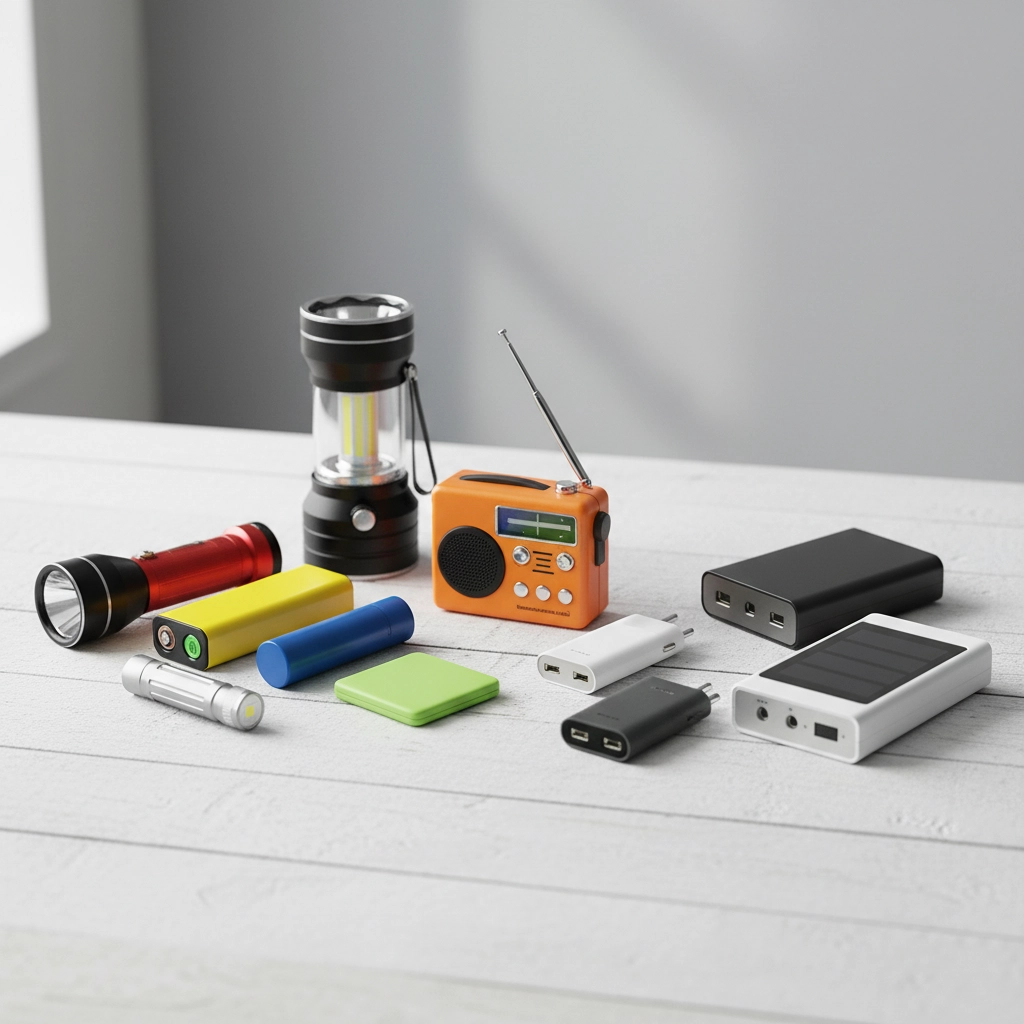
Power and Lighting:
- Multiple flashlights (one per person minimum)
- Extra batteries in various sizes
- Battery-powered or hand-crank radio
- Portable phone chargers and power banks
- Solar-powered charger if possible
Food and Water:
- One gallon of water per person per day (minimum 3-day supply)
- Non-perishable food for at least 3 days
- Manual can opener
- Paper plates, cups, and plastic utensils
- Cooler and ice packs
Safety and Medical:
- First aid kit with essential medications
- Whistle for signaling help
- Local area maps
- Cash in small bills
- Important documents in waterproof container
Invest in Backup Power Solutions
This is where quality power protection equipment becomes invaluable. Consider these options based on your family's needs:
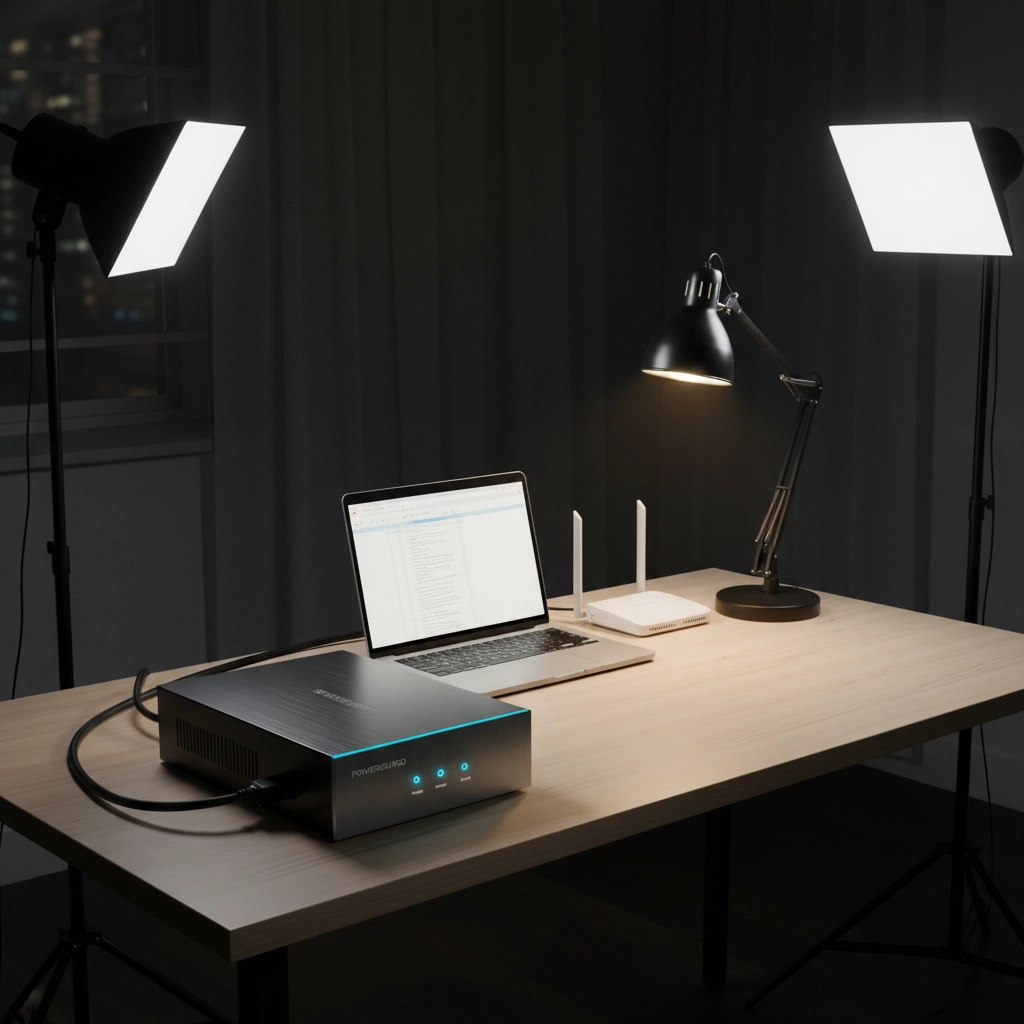
Uninterruptible Power Supply (UPS) Systems: Perfect for keeping essential electronics running during short outages. Brands like APC by Schneider Electric and CyberPower offer reliable home UPS systems that can keep your internet router, phones, and medical devices powered for several hours.
Portable Generators: For longer outages, a generator can power essential appliances. Always operate generators outdoors to prevent carbon monoxide poisoning, and never connect them directly to your home's electrical system without proper transfer equipment.
Extended Battery Packs: These work great with UPS systems to extend runtime for critical devices. If someone in your family depends on medical equipment, extended battery backup isn't optional – it's essential.
Daily Preparedness Habits
Keep your devices charged as a daily habit. Your phone should never drop below 50% if possible. Keep your car's gas tank at least half full – gas stations need electricity to pump fuel, and you might need to drive to find supplies or shelter.
Consider keeping a corded phone in your home. These often work even when the power is out, since phone lines typically have their own power source.
During the Outage: Staying Safe and Comfortable
Immediate Safety Check
When the power goes out, your first priority is making sure everyone is safe. Gather your family in one central location and distribute flashlights – avoid using phone flashlights unless absolutely necessary, as this drains the battery quickly.
Check that all family members are accounted for and unharmed. If someone was using electrical equipment when the power went out, make sure they weren't injured.
Assess the Situation
Look outside to see if your neighbors have power. If it's just your house, check your circuit breakers – sometimes the issue is localized to your electrical panel. If the entire neighborhood is dark, you're dealing with a wider outage.
Report the outage to your utility company. Many utilities have apps or automated phone systems that make this easy, and the more reports they receive, the higher priority your area gets for repair crews.
Protect Your Electronics and Appliances
Turn off or unplug all non-essential electrical equipment immediately. This prevents damage from power surges when electricity is restored. Leave one light switch on so you'll know when power returns.
If you have a UPS system protecting your computer or other electronics, resist the urge to keep using them unless absolutely necessary. Save that battery power for truly essential tasks.
Food Safety Management
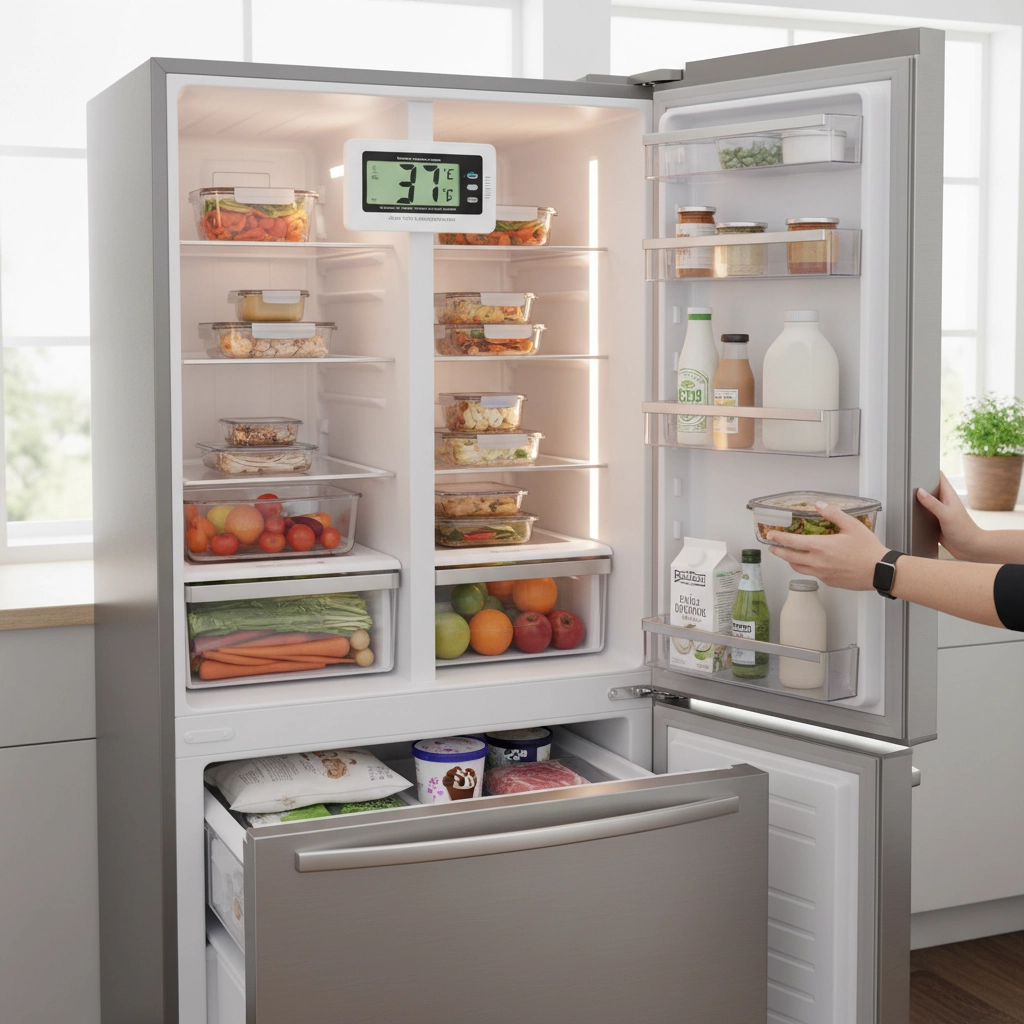
Keep refrigerator and freezer doors closed as much as possible. A full freezer can keep food frozen for 48 hours, while a half-full freezer is good for about 24 hours. Refrigerated food stays safe for about 4 hours without power.
Use perishable food from your refrigerator first, then move to freezer items, and finally use your emergency food supplies. Keep a cooler with ice ready for the most important items if the outage extends beyond these timeframes.

After the Power Returns: Getting Back to Normal
Gradual Equipment Restart
Don't flip everything back on at once when power is restored. Start with essential items first, then gradually restore power to other appliances over 10-15 minutes. This helps prevent overwhelming the electrical system as it comes back online.
Check that all your electronics are working properly. Power surges during restoration can damage sensitive equipment, even with surge protectors in place.
Food Safety Assessment
Check the temperature inside your refrigerator and freezer. If the temperature is above 40°F in the fridge or if freezer items have thawed and refrozen, it's time to throw them out. When in doubt, remember the old saying: "When in doubt, throw it out."
Document and Learn
Take photos of any damage to electrical equipment or appliances for insurance purposes. Make notes about what worked well during the outage and what didn't. This helps you improve your emergency plan for next time.
Consider upgrading your power protection based on the experience. If your internet went down and caused work issues, maybe it's time for a UPS system for your home office. If food spoilage was expensive, perhaps a generator is worth the investment.
Special Considerations for Different Situations
Medical Equipment Dependencies
If anyone in your family relies on electrically-powered medical devices, backup power isn't optional. Work with your medical equipment provider to understand power requirements and ensure you have adequate battery backup. Many insurance plans cover medical-grade UPS systems and extended battery packs.
Home Office Workers
Remote workers need reliable power for computers and internet equipment. A quality UPS system from companies like Vertiv or Minuteman can keep your home office running during short outages, preventing lost work and maintaining communication with your employer.
Families with Young Children
Children can find power outages scary or exciting, depending on how you frame them. Turn outages into adventures with flashlight games and storytelling. Keep special activities reserved just for power outages – coloring books, card games, or puzzles that only come out when the lights go off.
Beyond the Basics: Advanced Preparedness
Once you've mastered basic outage preparedness, consider these advanced steps:
Whole-House Surge Protection: Protect all your electronics and appliances with professional-grade surge protection installed at your electrical panel.
Smart Home Integration: Modern UPS systems can integrate with smart home systems to automatically shut down non-essential devices and extend battery life for critical equipment.
Community Preparedness: Connect with neighbors to share resources and check on each other during extended outages. Sometimes the best preparation is a strong community network.
Taking Action Today
Power outage preparedness isn't something you can put off until tomorrow. Start building your emergency kit this week, and test your plan with a practice "lights out" evening where you simulate an outage for a few hours.
Don't let the next power outage catch your family unprepared. Whether you need a simple UPS system for your home office or a comprehensive backup power solution for your entire house, Ace Real Time Solutions can help you choose the right power protection equipment for your family's needs.
Remember, the best time to prepare for a power outage is when you still have power. Your family's safety and comfort during the next blackout depend on the steps you take today.