

Portable Power Stations vs Home Battery Backups: Which Is Better for Your Family's Emergency Plan?
When the lights go out, every second counts. Whether it's a winter storm that knocks out power for days or a summer heat wave that strains the grid, your family's safety and comfort depend on having reliable backup power. But with so many options available, choosing between portable power stations and whole-home battery backup systems can feel overwhelming.
The stakes are higher than you might think. According to recent data, the average American household experiences 8 hours of power outages annually, with some regions seeing much more. During these outages, families face spoiled food, no heat or air conditioning, dead phones, and potentially dangerous situations for those dependent on medical equipment.
At Ace Real Time Solutions, we've helped hundreds of families navigate this critical decision. The truth is, there's no one-size-fits-all answer – but understanding the key differences will help you make the right choice for your family's unique needs.
Understanding Portable Power Stations: Your Mobile Energy Solution
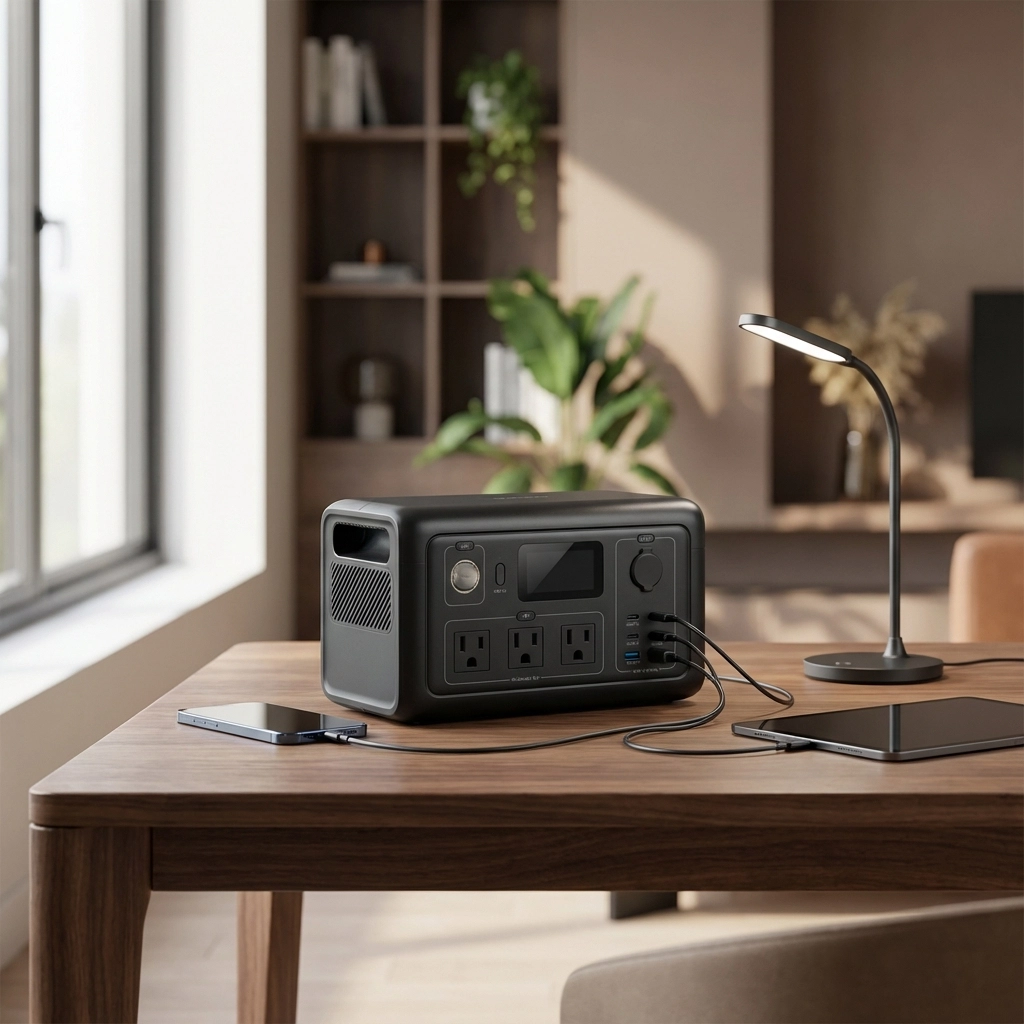
Portable power stations have exploded in popularity over the past few years, and for good reason. These compact, battery-powered units offer plug-and-play convenience that appeals to families who want backup power without the complexity of permanent installation.
What Makes Portable Power Stations Attractive
Think of portable power stations as oversized power banks. Most units range from 200Wh to 5,000Wh of capacity, with power outputs between 300W and 3,000W. To put this in perspective, a typical 1,000Wh unit can run a refrigerator for about 10-15 hours, or keep your essential devices charged for several days.
The appeal is obvious: no installation required, immediate availability, and the flexibility to take power wherever you need it. Whether you're camping, tailgating, or dealing with a power outage, these units are ready to go right out of the box.
The Reality of Portable Power Limitations
However, the convenience comes with significant trade-offs. Even the largest consumer portable power stations store far less energy than what most homes need during extended outages. A 5,000Wh unit – which costs several thousand dollars – contains the same energy that an average home uses in just 4-6 hours.
During an actual emergency, you'll quickly discover the manual nature of portable stations becomes a liability. Picture this: it's 2 AM, the power goes out during an ice storm, and you need to locate your power station, check its charge level, connect extension cords in the dark, and manually switch over your essential devices. Meanwhile, your refrigerator has already been without power for precious minutes.
The reality check gets harder when you consider power output. Most portable stations can't simultaneously run a refrigerator, some lights, and charge phones – you'll be constantly juggling what's plugged in based on available wattage.
Home Battery Backup Systems: Comprehensive Family Protection
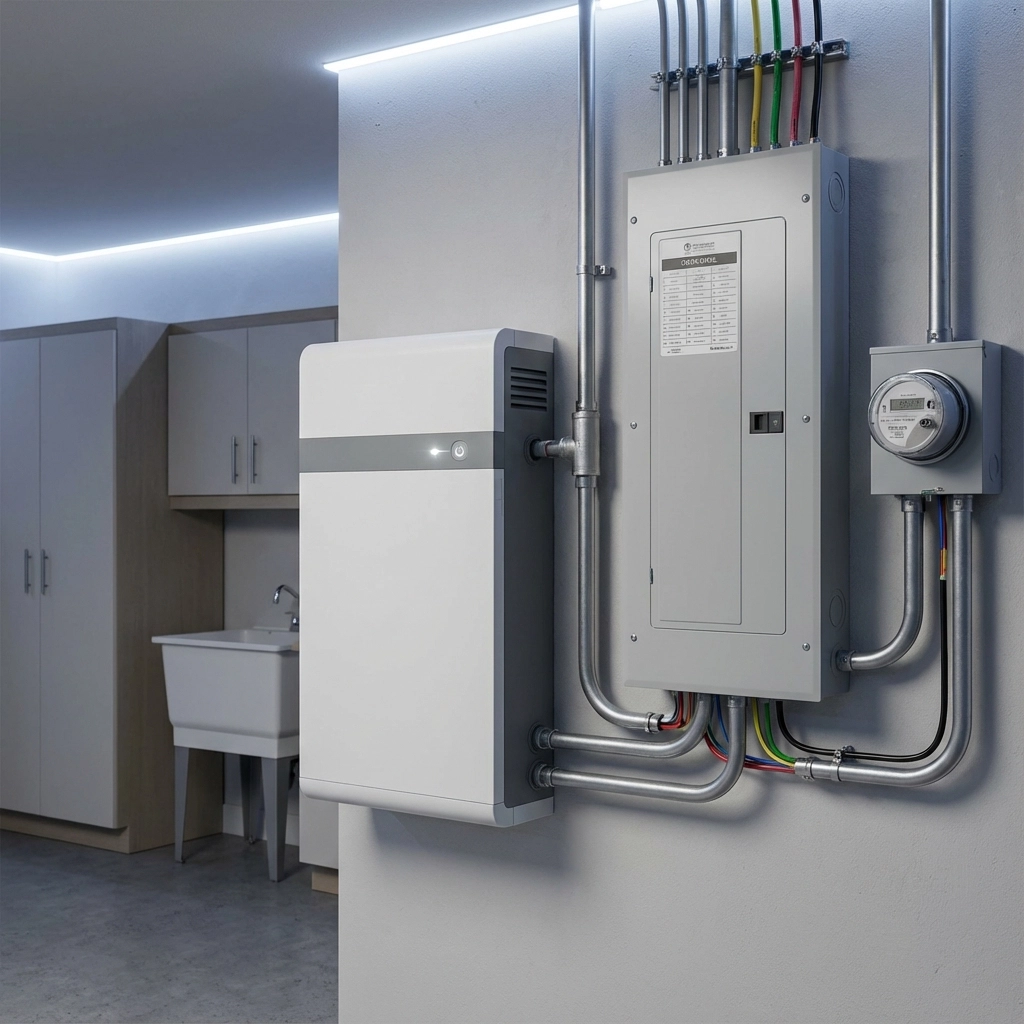
Home battery backup systems represent a fundamentally different approach to emergency preparedness. These professionally installed systems integrate directly with your home's electrical panel, creating a seamless transition during outages that happens faster than you can blink.
The Power of Automatic Protection
Modern home battery systems typically start at 10kWh capacity and can scale up to 80kWh or more. To understand what this means for your family, consider that a 10kWh system can power your refrigerator for over 24 hours continuously, or run your essential circuits (lights, outlets, Wi-Fi, security system) for several days.
But capacity is only part of the story. These systems deliver 5kW to 20kW+ of continuous power, meaning they can run multiple major appliances simultaneously. Your air conditioning, refrigerator, lights, and electronics can all operate normally while the grid is down.
The automatic switchover is perhaps the most valuable feature for family safety. When the power goes out, the system detects the outage in milliseconds and restores power to your home in less than 20 milliseconds – faster than your digital clocks will even reset. Your family stays comfortable, food stays cold, and medical devices keep running without interruption.
Investment Considerations and Long-Term Value
Yes, home battery systems require a significantly higher upfront investment, typically ranging from $15,000 to $30,000+ including installation. However, this investment offers returns that portable stations simply cannot match.
First, there's the federal tax credit – 30% of the total system cost when paired with solar panels. This can reduce your actual cost by thousands of dollars. Second, these systems add real value to your home, often increasing resale value by more than their cost.
Many families also see ongoing savings through time-of-use optimization, storing cheaper off-peak electricity for use during expensive peak hours. In areas with time-of-use electricity rates, this can save hundreds of dollars annually.
Side-by-Side Comparison: Making the Numbers Work for Your Family
| Feature | Portable Power Station | Home Battery Backup |
|---|---|---|
| Typical Capacity | 200Wh - 5,000Wh | 10kWh - 80kWh+ |
| Power Output | 300W - 3,000W | 5kW - 20kW+ continuous |
| Installation | Plug and play | Professional installation required |
| Emergency Response | Manual setup during outage | Automatic, seamless transition |
| Cost Range | $200 - $6,000 | $15,000 - $30,000+ |
| Refrigerator Runtime | 10-15 hours (1,000Wh unit) | 24+ hours (10kWh system) |
| Whole-House Backup | No | Yes |
| Portability | Highly portable | Fixed installation |
| Tax Benefits | None | 30% federal credit with solar |
| Property Value Impact | None | Significant increase |
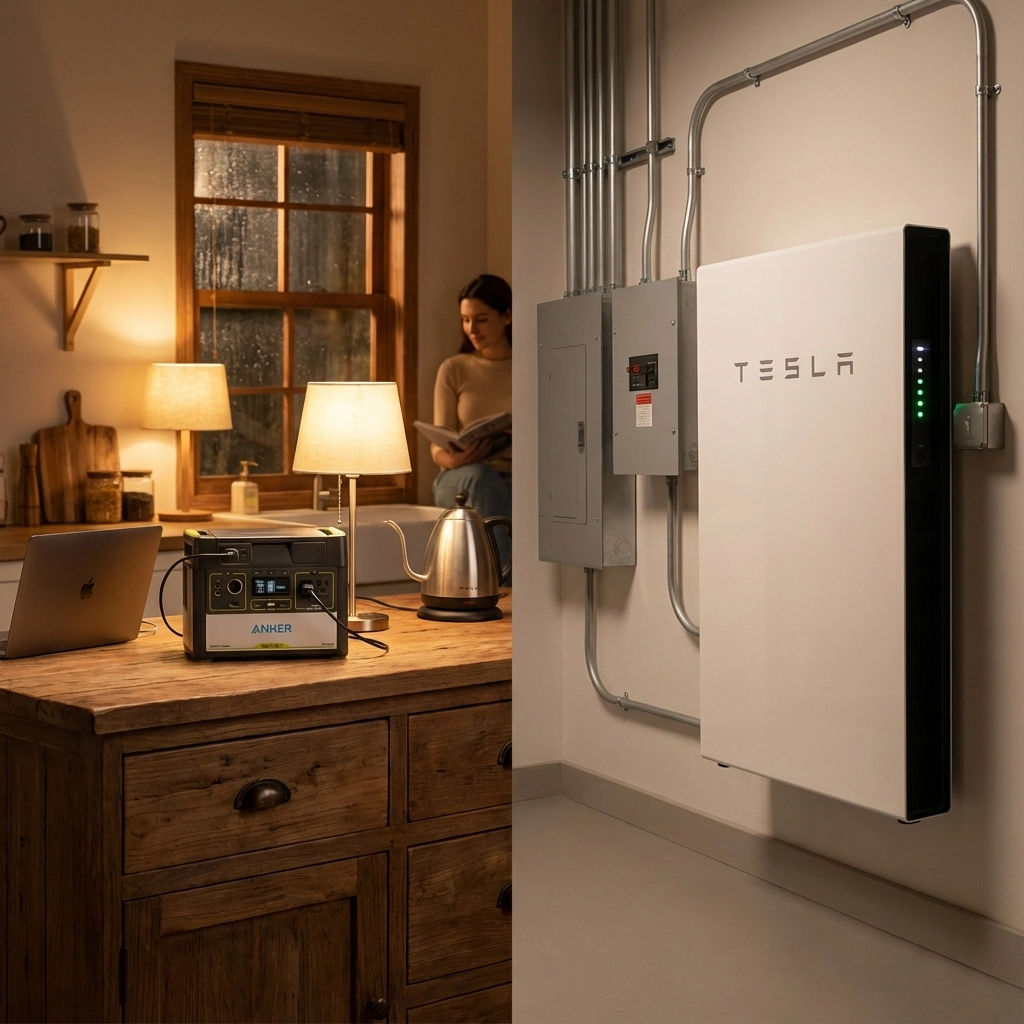
Matching Solutions to Family Situations
The right choice depends heavily on your family's specific circumstances and priorities. Let's break down the scenarios where each solution makes the most sense.
When Portable Power Stations Make Sense
Portable stations work best for families with specific, limited backup power needs. If you live in an area with rare, short outages and want something primarily for camping or outdoor activities, a portable station offers excellent value. They're also ideal for apartment dwellers who can't install permanent systems.
Consider the Johnson family from our client base – avid campers who experience maybe one 2-4 hour outage per year. A 2,000Wh portable station meets their camping needs perfectly while providing enough emergency backup to keep phones charged and run a few LED lights during brief outages.
When Home Battery Systems Are Essential
Home battery systems become crucial for families who can't afford to lose power, even temporarily. This includes homes with medical equipment users, families with young children or elderly members, or anyone living in areas prone to extended outages.
Take the Martinez family case study: with a diabetic family member requiring refrigerated insulin and a home office that can't afford downtime, they needed guaranteed power. Their 20kWh system with solar panels has protected them through multiple multi-day outages while actually reducing their monthly electricity costs by $150 through strategic energy management.
The Hybrid Approach: Best of Both Worlds
Many of our clients at Ace Real Time Solutions choose a strategic combination: a home battery system for comprehensive emergency protection, plus a smaller portable station for outdoor activities and additional flexibility.
This approach provides true peace of mind – your home is automatically protected during outages, while you maintain the flexibility to take power anywhere your family adventures lead you.
Making Your Decision: Key Factors to Consider
Before making your choice, honestly assess these critical factors:
Family Vulnerability: Do you have family members who depend on medical equipment, are very young or elderly, or have other health considerations that make power outages dangerous?
Outage Frequency and Duration: Research your local utility's reliability. Areas with frequent or extended outages strongly favor permanent backup systems.
Budget and Timeline: While home systems require larger upfront investment, factor in tax credits, property value increases, and potential energy savings over time.
Power Needs: Calculate what your family actually needs to stay safe and comfortable during outages. Most families underestimate their power requirements.
Your Family's Power Protection Starts Here
Emergency preparedness isn't just about having backup power – it's about having the right backup power for your family's unique situation. Whether you choose the flexibility of portable power stations or the comprehensive protection of home battery systems, the key is making an informed decision before you need it.
At Ace Real Time Solutions, we've seen too many families struggle during outages because they chose the wrong backup solution or waited too long to act. Don't let your family be unprepared when the next storm hits.
Ready to protect your family with the right power solution? Contact our team for a free consultation where we'll assess your specific needs and recommend the optimal backup power strategy for your home. Your family's safety and comfort are too important to leave to chance.