
Modular UPS Systems vs. Traditional UPS: Which Is Better For Your Growing Business?
If you're running a growing business, you've probably hit that point where your power protection needs are getting more complex. Maybe you started with a basic UPS system, but now you're expanding operations, adding more equipment, and wondering if your current setup can handle what's coming next.
The good news? You're asking the right questions. The not-so-good news? The answer isn't always straightforward.
Today, we're breaking down the big decision between modular UPS systems and traditional UPS units. Both have their place, but for growing businesses, the choice can make or break your power protection strategy for years to come.
What Exactly Are Modular UPS Systems?
Think of modular UPS systems like building blocks for power protection. Instead of buying one big unit that does everything, you get a system where you can add or remove power modules based on your actual needs.
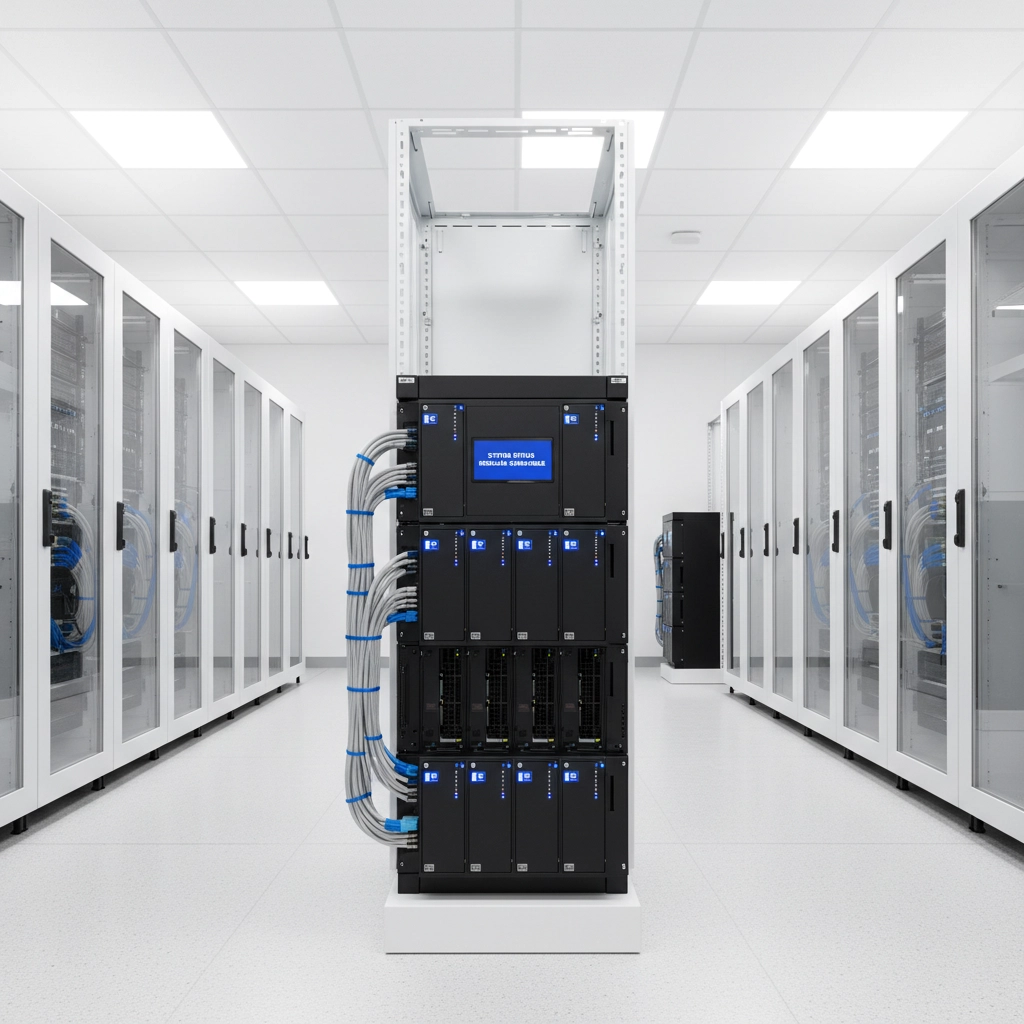
Here's how it works: You start with a basic chassis or frame, then add power modules to meet your current requirements. Need more capacity in six months? Just slide in another module. One module acting up? Swap it out without shutting down your entire system.
The beauty of modular systems lies in their flexibility. Companies like APC by Schneider Electric have made this approach popular with their Galaxy series, where businesses can start small and scale up without replacing their entire investment.
Key benefits of modular UPS systems:
- Start with what you need, expand when you need it
- Hot-swappable modules mean zero downtime for maintenance
- Built-in redundancy keeps you running even if one module fails
- Higher energy efficiency since you're not over-provisioning power
- Easier to service and maintain
Traditional UPS Systems: The Tried and True Approach
Traditional UPS systems are what most people think of when they hear "backup power." You buy a unit rated for a specific capacity – say 5kVA or 10kVA – and that's what you get. No adding modules, no fancy expandability, just reliable power protection in a single package.
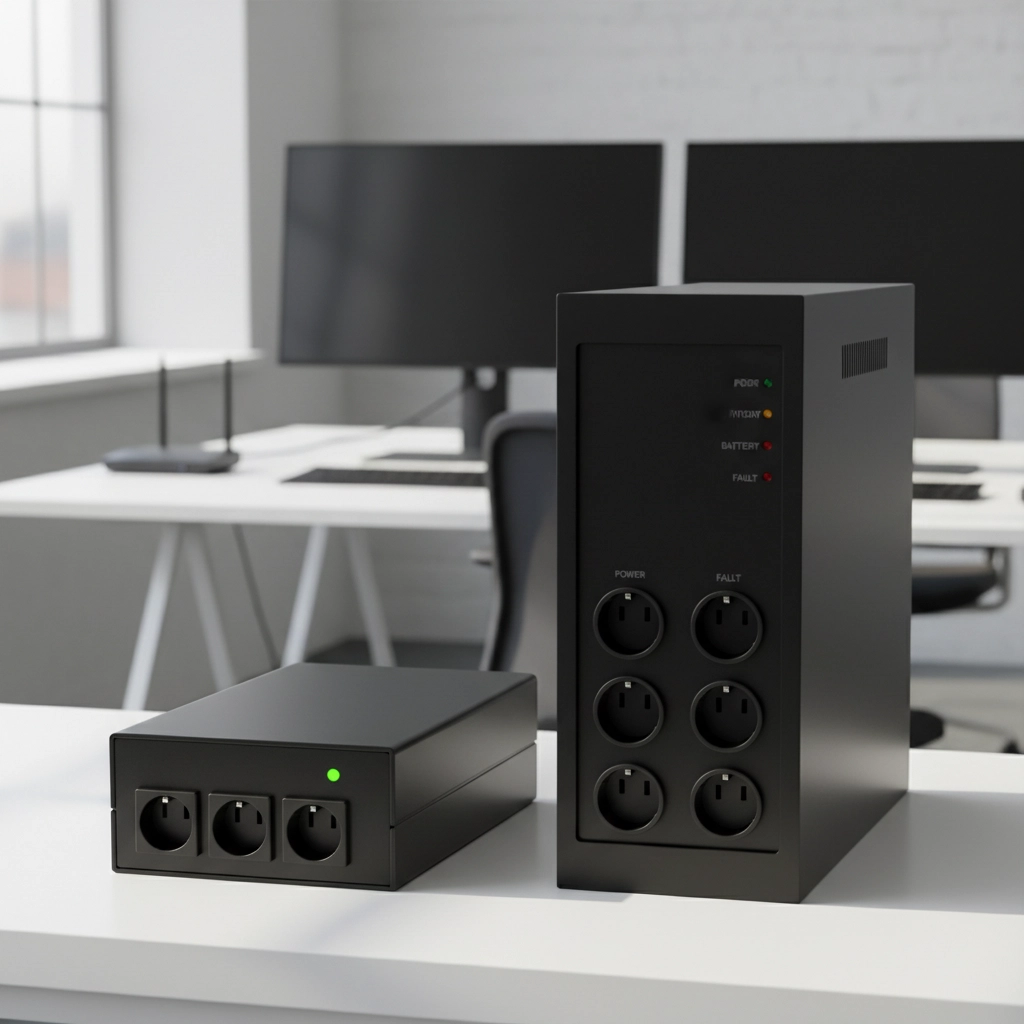
These systems have been the backbone of power protection for decades, and for good reason. They're straightforward, proven, and often less expensive upfront. CyberPower and Minuteman offer excellent traditional UPS options that have kept countless businesses running during outages.
Key benefits of traditional UPS systems:
- Lower initial investment
- Simple to understand and operate
- Fewer components mean fewer potential failure points
- Proven reliability over decades of use
- Easier to size for fixed, predictable loads
The Real-World Differences That Matter
Let's get into the nuts and bolts of what sets these systems apart in daily operations.
Scalability: Planning for Tomorrow
Here's where the difference becomes crystal clear. With a traditional UPS, if you outgrow your capacity, you're looking at buying a completely new system. That 10kVA unit you bought last year? It becomes expensive backup equipment when you need 15kVA.
Modular systems let you grow incrementally. Start with two 5kVA modules, add a third when you expand, maybe swap in higher-capacity modules later. It's like having a power protection system that grows with your business instead of fighting against it.
Maintenance and Downtime
Traditional UPS maintenance often means scheduling downtime. When your unit needs service, everything downstream goes unprotected. For a growing business, that kind of vulnerability can be costly.
Modular systems shine here. Need to service a module? The others keep running. Software update required? Hot-swap the module and keep going. This redundancy isn't just convenient – it's a competitive advantage.
Cost Considerations: More Than Just Sticker Price
Yes, modular UPS systems typically cost more upfront. But here's what many business owners miss: the total cost of ownership often favors modular systems for growing companies.
Consider this scenario: You buy a 10kVA traditional UPS for $3,000. Two years later, you need 20kVA capacity. Now you're looking at a $8,000 replacement, plus installation costs, plus the hassle of selling or repurposing your original unit.
With a modular system, you might spend $4,000 initially for equivalent capacity, then add $2,000 worth of modules when you need to expand. Same endpoint, lower total cost, zero downtime.
Which Approach Wins for Growing Businesses?
After working with hundreds of growing businesses, the answer is pretty clear: modular UPS systems are usually the better choice for companies expecting growth.
Here's why: Growing businesses face uncertainty. You might add new equipment, expand to new locations, or pivot your operations. Traditional UPS systems lock you into today's requirements, while modular systems adapt to tomorrow's needs.
Vertiv has done extensive research on this topic, and their data shows that businesses using modular UPS systems experience 40% less downtime and 25% lower total cost of ownership over five years compared to traditional systems.
Making the Right Choice for Your Situation
That said, traditional UPS systems still have their place. If you're running a small office with predictable power needs, or if budget constraints make the higher upfront cost of modular systems prohibitive, a traditional UPS might be the right call.
Go with traditional UPS if:
- Your power requirements are fixed and unlikely to change
- Upfront budget is your primary concern
- You have simple, non-critical applications
- Your business has predictable maintenance windows
Choose modular UPS if:
- You're planning to grow or expand operations
- Downtime is costly for your business
- You value energy efficiency and want to optimize power usage
- You prefer to scale incrementally rather than in big jumps
Brand Considerations and Recommendations
When it comes to modular systems, APC by Schneider Electric leads the pack with their Galaxy and Easy UPS 3L series. These systems offer excellent scalability and proven reliability.
For traditional systems, CyberPower offers outstanding value in the small to medium business space, while Minuteman provides robust solutions with excellent service support.
Vertiv brings enterprise-grade modular solutions that work well for larger growing businesses or those with more complex requirements.
The key is matching the brand and technology to your specific needs, budget, and growth trajectory.
Planning Your Power Protection Strategy
Whether you choose modular or traditional, the most important thing is having a plan. Map out where you see your business in 2-3 years. Consider not just equipment growth, but changes in operations, new locations, or shifts in technology requirements.

Power protection isn't just about keeping the lights on – it's about keeping your business moving forward without interruption. The right UPS system becomes invisible until you need it, and when you do need it, you'll be glad you chose wisely.
Ready to Make the Right Choice?
Choosing between modular and traditional UPS systems doesn't have to be complicated, but it does require understanding your specific needs and growth plans. Every business is different, and what works for your competitor might not be the best fit for your operations.
At Ace Real Time Solutions, we've helped countless growing businesses navigate these decisions. We take the time to understand not just where you are today, but where you're headed tomorrow.
Ready to explore your options? Contact our team for a personalized consultation. We'll assess your current setup, discuss your growth plans, and recommend the power protection solution that makes sense for your business – both today and five years from now.
Don't let power protection hold back your growth. The right UPS system should grow with you, not against you.