

Lithium-Ion UPS Batteries: Is the Higher Cost Really Worth It? Here's What the 10-Year Numbers Show
If you've been shopping for UPS batteries lately, you've probably experienced some serious sticker shock when you saw lithium-ion pricing. At 1.2 to 2 times the cost of traditional lead-acid batteries, it's natural to wonder if the upgrade is actually worth it, or just marketing hype.
Here's the short answer: Yes, lithium-ion batteries deliver substantially lower total cost of ownership, with savings ranging from 30% to 53% over a 10-year period compared to lead-acid alternatives. But the devil's in the details, so let's break down exactly where those savings come from and whether they make sense for your operation.
The 10-Year Numbers Don't Lie
Let's start with a straightforward comparison that most data center operators and IT managers can relate to.
A typical lead-acid UPS battery setup costs around $1,000 initially. Sounds reasonable, right? The problem is that those batteries last only 3–5 years under normal operating conditions. Over a 10-year period, you're looking at 2–3 full replacements. Factor in installation labor (averaging $12,000 per replacement event), disposal fees, and the actual battery hardware, and your 10-year total climbs to approximately $5,000.
Now compare that to lithium-ion. Yes, the upfront cost is higher: around $3,000 for a comparable system. But here's where it gets interesting: lithium-ion batteries typically last 10–15 years, meaning you install them once and you're done. No replacements. No emergency calls when a battery string fails at 2 a.m. Your 10-year total? About $3,500.
That's a 30% savings right there, and we haven't even talked about operational costs yet.
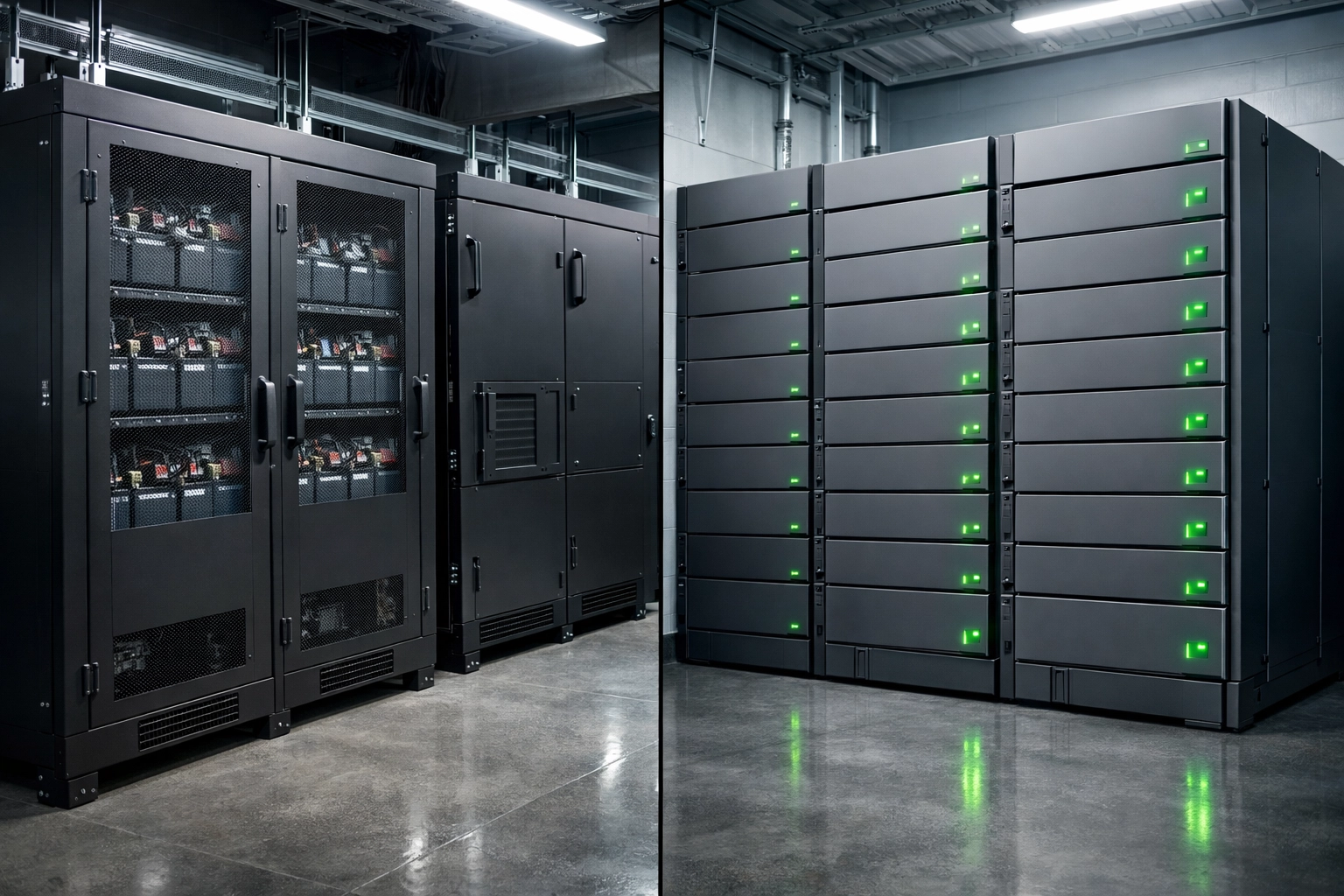
For larger commercial deployments, the gap widens dramatically. Consider a mid-sized data center that spends roughly $740,000 on lead-acid battery replacements every three years. Switch to lithium-ion, and that becomes a one-time $290,000 expense over the same 10-year period. We're talking about nearly half a million dollars in savings for a single facility.
Research from Schneider Electric's Data Center Science Center backs this up, finding that lithium-ion systems delivered 10–40% lower total cost of ownership (TCO) than equivalent lead-acid systems over a decade. Another independent analysis showed that VRLA (valve-regulated lead-acid) batteries could cost nearly 53% more than lithium-ion models over the same timeframe.
Why Lithium-Ion Saves Money Beyond Just Replacements
Battery lifespan is the headline number, but it's far from the only advantage. Lithium-ion systems deliver operational savings that add up quickly: especially in mission-critical environments where every percentage point of efficiency matters.
Energy Efficiency That Pays You Back
Lithium-ion batteries achieve 92–95% round-trip efficiency, compared to 80–85% for lead-acid. That might sound like a small difference on paper, but it translates to real money. The improved efficiency saves $18–$22 per kilowatt annually in energy costs. Multiply that across a facility with substantial UPS capacity, and you're looking at thousands of dollars per year.
Maintenance Costs Drop Dramatically
Lead-acid batteries require regular maintenance: monthly equalization charges, terminal cleaning, and constant monitoring to prevent sulfation. Lithium-ion batteries? Set them up and largely forget about them. Annual maintenance costs typically drop from $200 down to $50 per battery string.
That's not just a cost savings: it's also a labor savings for your team, who can focus on more strategic initiatives instead of babysitting battery banks.
Cooling Savings You Might Not Expect
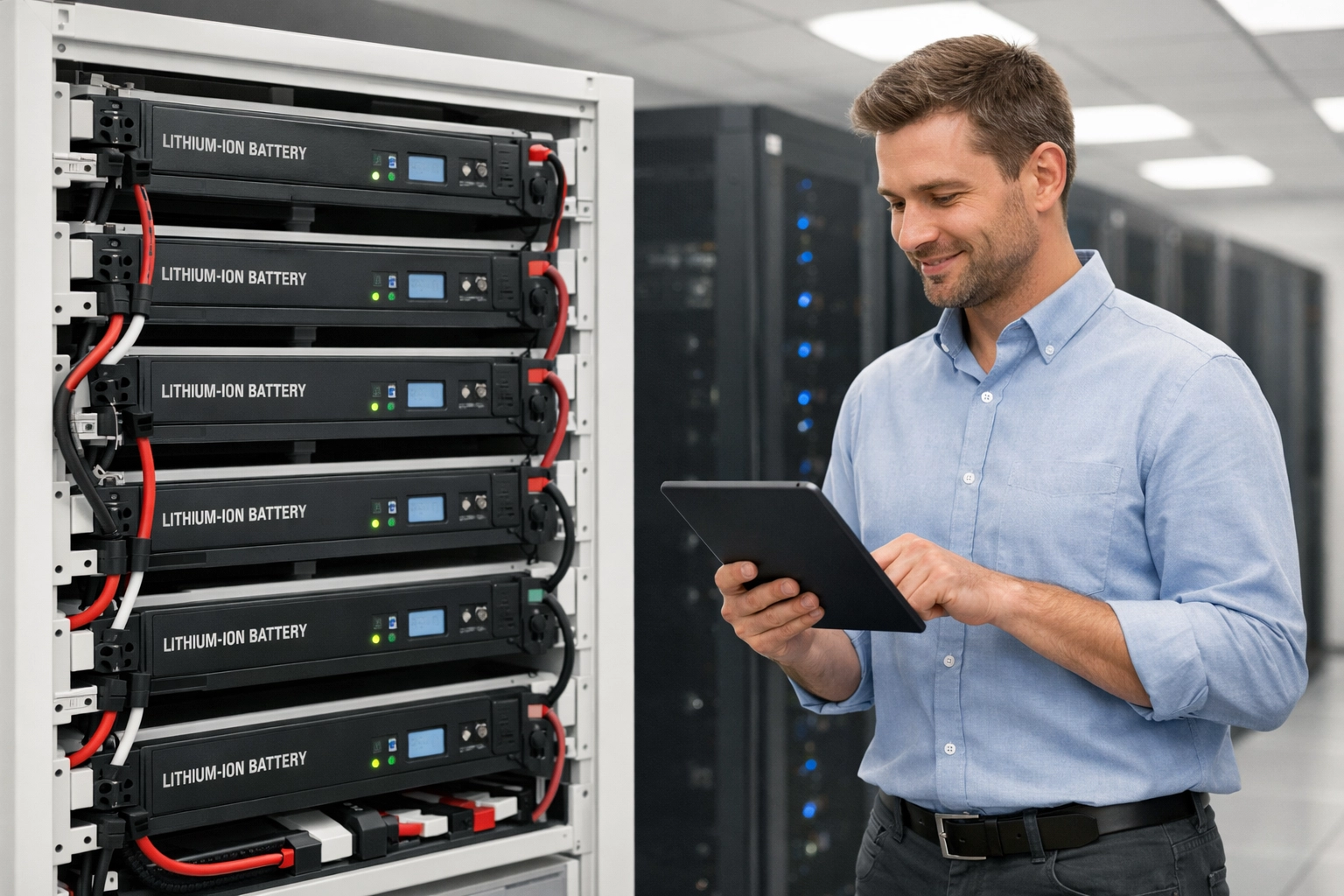
Here's one that catches a lot of people off guard: lithium-ion batteries generate less heat and tolerate a wider operating temperature range. This means you can reduce cooling requirements by up to 80% in the battery room. Depending on your facility's energy costs, that cooling reduction alone can justify a significant portion of the lithium-ion premium.
Downtime Costs Matter More Than Ever
According to Gartner, unplanned downtime costs businesses an average of $7,900 per minute. When you consider that lithium-ion batteries have a significantly lower failure rate and longer runtime capacity, the cost of even one avoided outage can pay for the battery upgrade entirely.
Real-World Performance: What the Field Data Shows
It's one thing to talk about manufacturer specs and lab conditions. It's another to see how these batteries perform in actual deployments with real-world temperature fluctuations, load variations, and occasional abuse.
Field data from over 500 UPS installations paints an impressive picture. After eight years of continuous operation, lithium-ion batteries retained 93% of their original capacity: about 2.5 times better than lead-acid equivalents in similar conditions. This sustained performance translates directly into reliability and avoided emergency replacements.
That performance advantage delivered an average of $18,000 per kilowatt in savings from avoided replacements and reduced downtime across those installations. Not hypothetical savings: actual documented results.
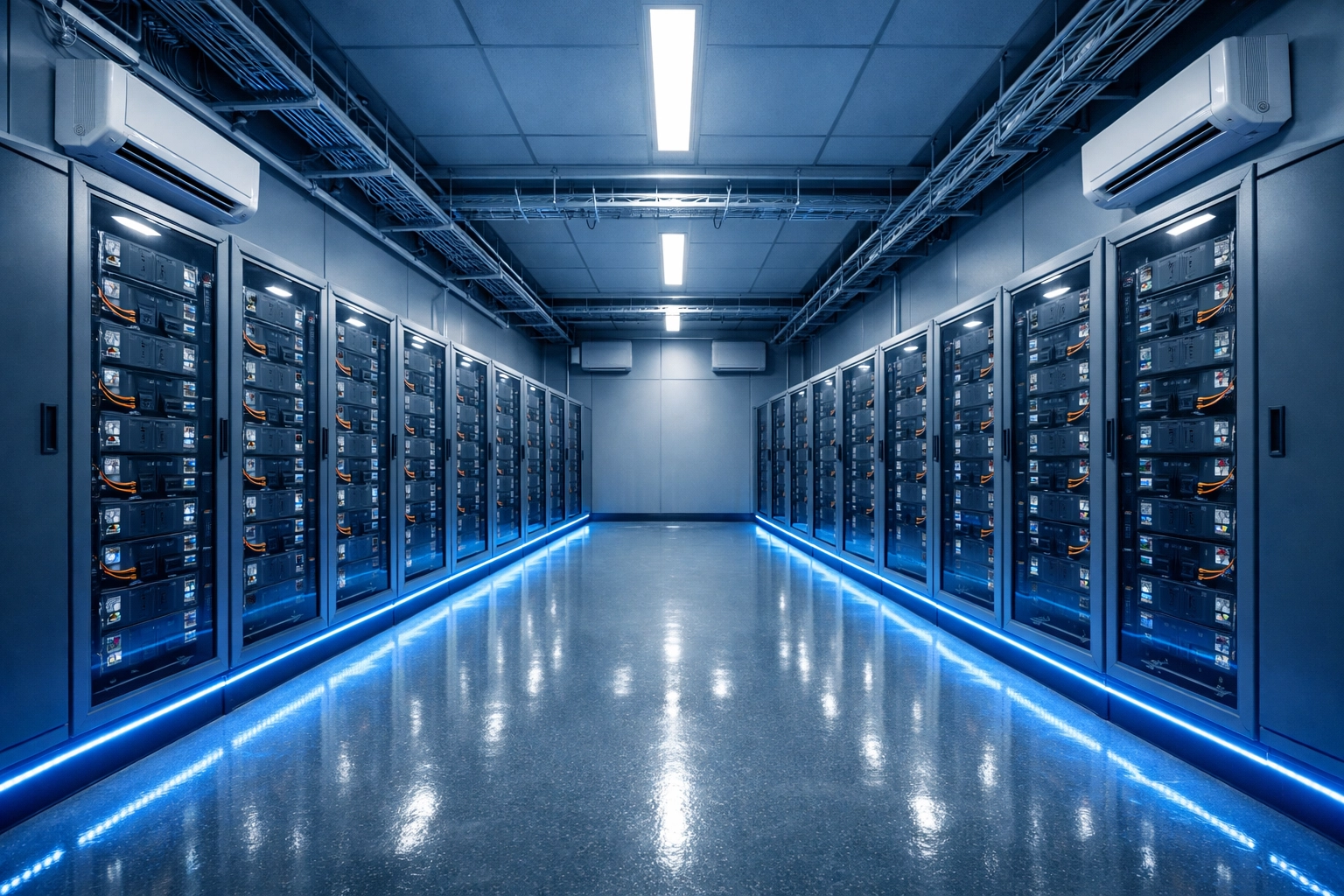
For facilities that depend on consistent uptime: think financial services, healthcare systems, or cloud infrastructure: this reliability advantage becomes even more valuable than the direct cost savings.
Breaking Down the ROI Timeline
Let's be realistic: a 30–50% savings over 10 years is great, but most finance teams want to know when they'll break even on that higher upfront investment.
The good news? You don't have to wait a decade.
Most organizations achieve break-even within 3–5 years when you factor in all the operational savings. The Uptime Institute found that ROI typically hits at around the 4.7-year mark when you account for reduced cooling demands, lower maintenance costs, and minimized downtime risk.
Here's a simplified timeline for a typical deployment:
- Years 1-2: Higher upfront costs are offset by immediate energy and maintenance savings
- Year 3: First avoided battery replacement for lead-acid systems
- Years 4-5: Break-even point reached
- Years 6-10: Pure savings mode: no replacements needed while lead-acid systems require another full swap
After that initial break-even period, every year is essentially money back in your pocket compared to what you would've spent on lead-acid.
Making the Decision for Your Operation
So is lithium-ion worth it for your specific situation? Here are a few factors to consider:
You're probably a good candidate if:
- Your facility requires high uptime and can't afford extended outages
- You're building new capacity or planning a major refresh
- Your battery room has limited space or cooling capacity
- You have the capital budget to invest in long-term savings
- You're tired of the maintenance headaches of lead-acid systems
You might want to wait if:
- You're working with very limited upfront capital
- Your lead-acid batteries are relatively new and functioning well
- Your facility is scheduled for decommissioning in the next few years
- You have abundant space and inexpensive cooling available
The cost premium for lithium-ion has been declining steadily thanks to broader adoption in electric vehicles and energy storage applications. As the technology continues to mature and scale, the business case only gets stronger.
The Bottom Line
When you look at the complete picture: not just the purchase price but the total 10-year cost of ownership: lithium-ion UPS batteries consistently outperform lead-acid alternatives. The 30–53% savings aren't coming from creative accounting; they're the result of longer lifespan, better efficiency, lower maintenance requirements, and reduced cooling needs.
For data center operators and IT procurement teams evaluating their power protection strategy, the question isn't really whether lithium-ion delivers better value. It's whether you have the upfront capital to capture those long-term savings.
The numbers speak for themselves. Lithium-ion pays for itself within 5 years and then keeps delivering value for another decade. In an industry where reliability and efficiency directly impact the bottom line, that's a pretty compelling proposition.
Ready to explore how lithium-ion UPS batteries could work for your facility? Get in touch with our team to discuss your specific power protection needs. We'll help you run the numbers for your exact configuration and show you where the savings opportunities are hiding.