

How to Integrate Solar Power With Your UPS System in 5 Minutes (Complete Setup Guide)
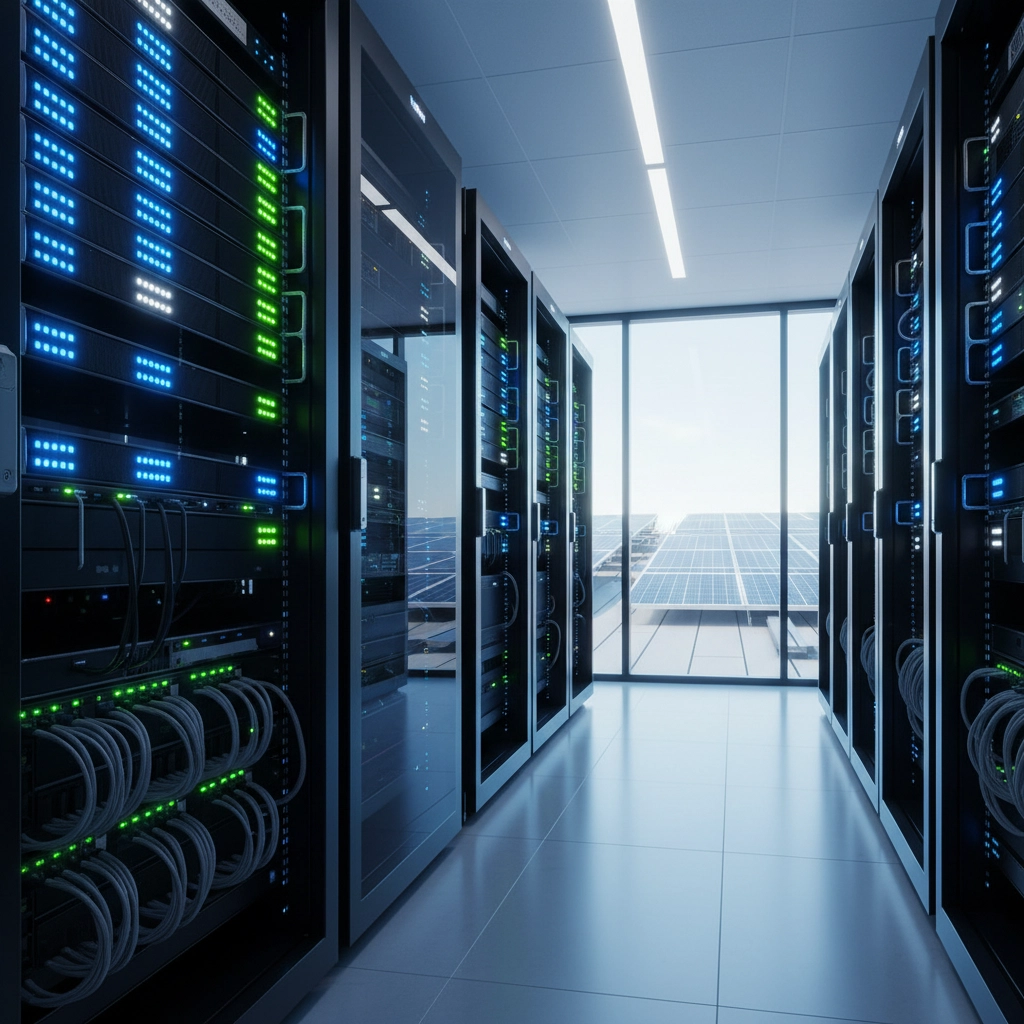
Rising energy costs and growing sustainability demands are pushing data centers and IT operations to explore renewable power solutions. But here's the challenge: how do you maintain the rock-solid reliability your systems demand while integrating solar power? The answer lies in properly combining solar panels with your existing UPS infrastructure.
This integration isn't just about going green: it's about creating a more resilient, cost-effective power protection strategy that can significantly reduce your operational expenses while maintaining the 99.999% uptime your business requires.
Why Solar-UPS Integration Makes Business Sense
Traditional UPS systems excel at providing immediate backup power during outages, but they rely entirely on grid electricity for charging and operation. Solar integration transforms your UPS from a pure consumer into a hybrid system that can generate, store, and distribute clean energy while maintaining uninterrupted power protection.
For data center operators and IT managers, this combination offers three key advantages: reduced energy costs through solar generation during peak hours, enhanced power resilience with multiple energy sources, and improved sustainability metrics that increasingly matter for corporate reporting and client requirements.
Pre-Integration Planning and Assessment
Before diving into the technical setup, you need to evaluate your current power requirements and infrastructure. Start by calculating your critical load requirements: the essential systems that absolutely cannot lose power. This typically includes servers, networking equipment, cooling systems, and security infrastructure.
Review your existing UPS capacity and battery bank configuration. Most modern UPS systems can be adapted for solar integration, but older units might require additional components or complete replacement. Document your current power consumption patterns, peak usage times, and backup duration requirements.
Consider your facility's solar potential by evaluating roof space, sun exposure, and local regulations. A professional solar assessment helps determine optimal panel placement and expected energy generation. Remember, the goal isn't necessarily to power everything with solar: it's to create an integrated system that maximizes efficiency and reliability.
Essential Components for Solar-UPS Integration
Your integrated system requires several key components working in harmony. Solar panels capture sunlight and convert it to DC electricity. A charge controller regulates power flow from panels to batteries, with MPPT (Maximum Power Point Tracker) controllers offering the best efficiency for most applications.
The battery bank stores excess solar energy and provides backup power during outages or low-light periods. Modern lithium-ion batteries offer superior performance compared to traditional lead-acid options, with longer lifespans, faster charging, and better depth-of-discharge characteristics.
Your UPS system manages power distribution to critical loads and provides seamless switching during grid failures. Solar-ready UPS units include built-in charge controllers and solar input connections, while traditional systems may require external components for proper integration.
Additional components include DC breakers for safety disconnects, appropriate wiring rated for solar applications, monitoring systems for performance tracking, and properly sized inverters if your setup requires AC coupling.
Step-by-Step Integration Process
Phase 1: Infrastructure Preparation
Begin with electrical safety procedures: disconnect all power sources and verify systems are de-energized. Install your solar panel mounting system according to manufacturer specifications and local building codes. Position panels to maximize sun exposure while considering maintenance access requirements.
Run DC wiring from panels to your equipment room, using properly rated solar cables with appropriate conduit protection. Install DC combiner boxes if multiple panel strings require consolidation before reaching the charge controller.
Phase 2: Battery Bank Configuration
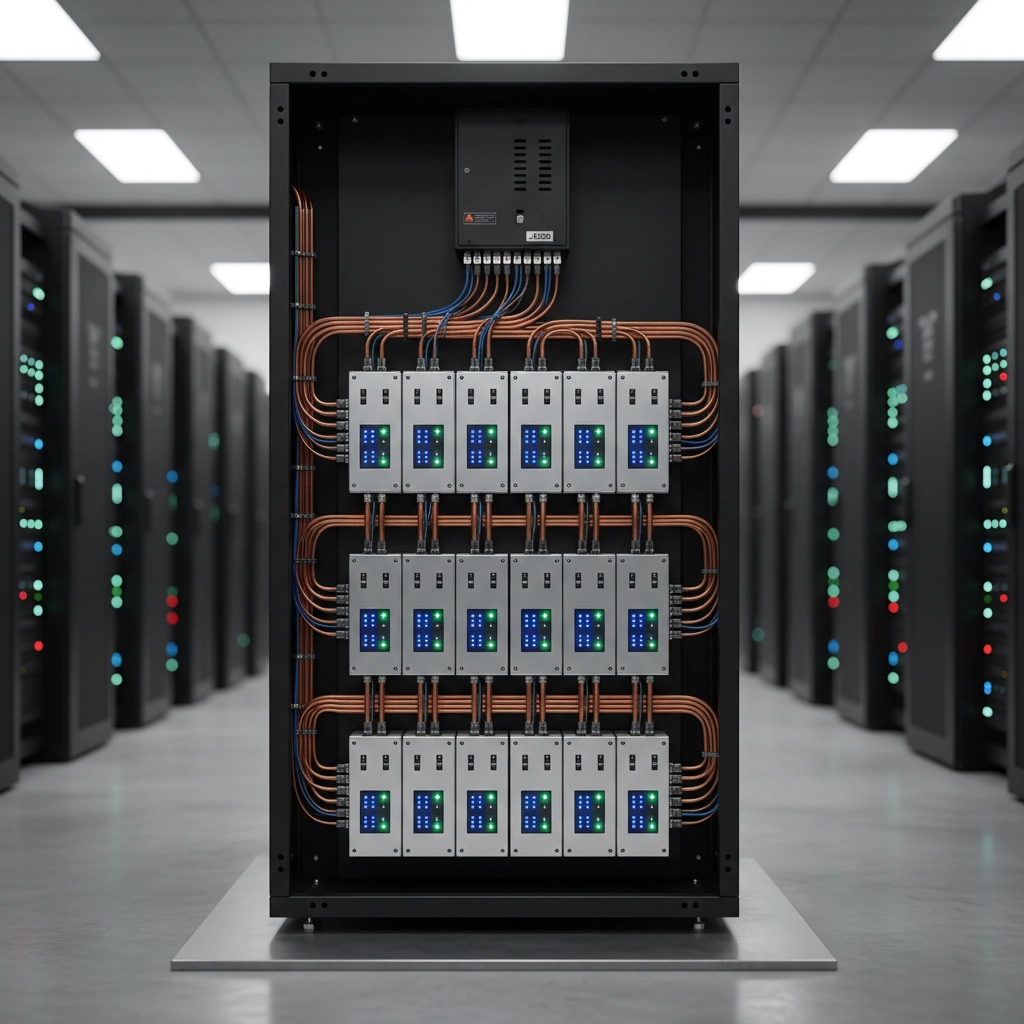
Configure your battery bank to match your UPS voltage requirements and backup duration needs. Connect batteries in series for higher voltage or parallel for increased capacity, following manufacturer guidelines for cable sizing and torque specifications.
Install battery monitoring systems to track individual cell voltages, temperatures, and overall bank health. Proper monitoring prevents premature failures and optimizes charging cycles for maximum battery lifespan.
Phase 3: Control System Integration
Connect your charge controller between the solar panels and battery bank. The controller's solar input terminals receive DC power from your panel array, while its battery terminals connect to your energy storage system.
Configure charge controller parameters for your specific battery type, including charging voltages, temperature compensation, and absorption/float timing. Modern MPPT controllers offer programmable profiles optimized for different battery chemistries.
Phase 4: UPS Connection
Integrate your UPS system with the battery bank, ensuring proper voltage matching and current ratings. The UPS should connect in parallel with the charge controller's battery terminals, allowing both solar charging and UPS charging functions.
Configure UPS parameters for hybrid operation, including battery management settings, transfer times, and load prioritization. Many modern UPS systems offer programmable features for optimized solar integration.
Critical Configuration Considerations
Proper system sizing prevents both underperformance and wasted investment. Your solar array should generate enough daily energy to offset your facility's consumption plus account for charging losses and weather variations. A general rule suggests sizing panels for 125-150% of your daily energy needs to account for seasonal variations and system inefficiencies.
Battery capacity should provide adequate backup duration while allowing for regular cycling from solar charging. Size your battery bank for at least 24-48 hours of critical load support, with additional capacity for extended outages or low-solar periods.
Inverter compatibility between solar and UPS systems requires careful attention to voltage levels, frequency stability, and harmonic distortion. Mismatched systems can cause efficiency losses or operational issues that compromise power quality.
Safety and Code Compliance
Solar-UPS integration must comply with local electrical codes and utility regulations. Many jurisdictions require professional installation and inspection for grid-tied solar systems, even when integrated with backup power equipment.
Implement proper grounding for all system components, including panels, mounting structures, and electrical equipment. Install appropriate overcurrent protection devices (breakers/fuses) at recommended locations throughout the system.
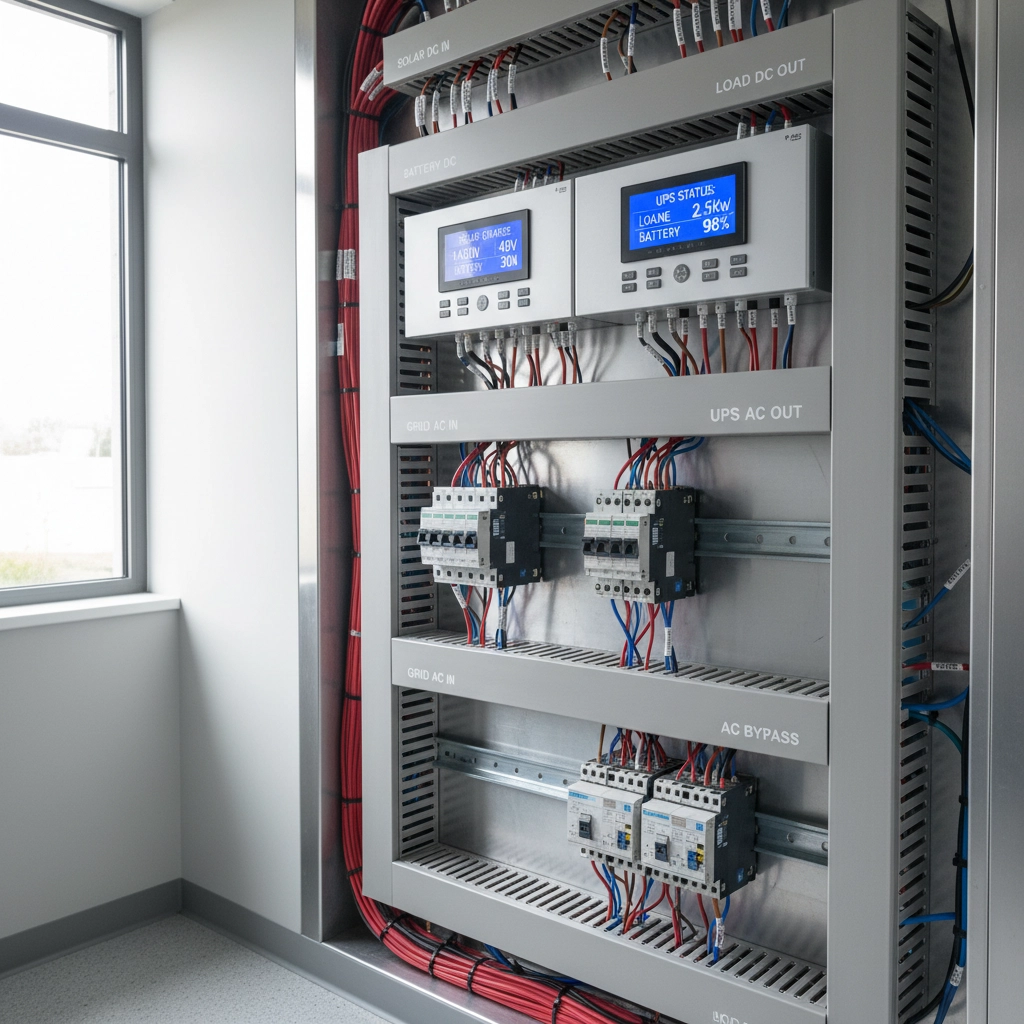
Label all components clearly according to NEC requirements, including DC voltage warnings, emergency shutdown procedures, and system diagrams. Proper documentation helps maintenance personnel and emergency responders work safely around your installation.
Testing and Commissioning
Systematic testing ensures your integrated system performs as designed under various operating conditions. Start with individual component testing: verify solar panel output, charge controller operation, battery charging profiles, and UPS functionality.
Conduct integrated testing by simulating different scenarios: normal operation with solar charging, grid outage with battery backup, low solar conditions with grid support, and peak load conditions. Document system performance under each scenario to establish baseline performance metrics.
Test all safety systems including emergency shutdowns, overcurrent protection, and alarm functions. Verify monitoring systems accurately report system status and performance data.
Performance Monitoring and Maintenance
Implement comprehensive monitoring to track system performance and identify potential issues before they impact operations. Monitor solar generation, battery state of charge, load consumption, and system efficiency metrics.
Establish regular maintenance schedules for all components. Solar panels require periodic cleaning and inspection, batteries need voltage and capacity testing, and UPS systems require standard preventive maintenance procedures.
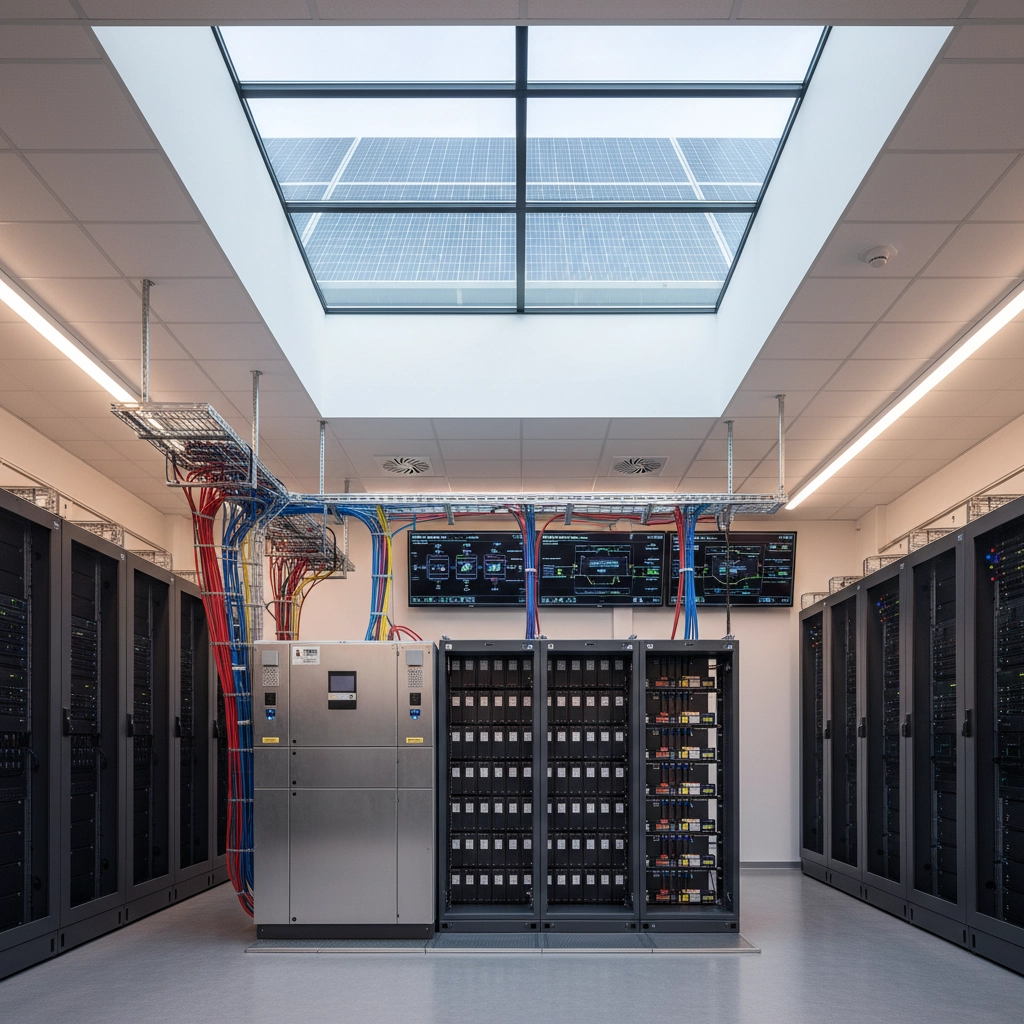
Create maintenance documentation including performance baselines, maintenance schedules, troubleshooting procedures, and vendor contact information. This documentation proves invaluable for both routine maintenance and emergency situations.
Maximizing ROI from Your Integration
Track key performance indicators to measure your integration's success: energy cost savings, backup runtime improvements, system availability, and maintenance cost reductions. Most organizations see significant ROI within 5-7 years, with many achieving faster payback through available tax incentives and utility rebates.
Consider expanding your system over time as energy needs grow or additional incentives become available. Modular system design allows for staged implementation that spreads costs while delivering immediate benefits.
Moving Forward with Confidence
Solar-UPS integration represents a smart evolution in power protection strategy, combining renewable energy benefits with the reliability your critical systems demand. While the technical details require careful planning and execution, the long-term benefits: reduced energy costs, enhanced resilience, and improved sustainability: make this integration increasingly essential for forward-thinking organizations.
Ready to explore solar integration for your power protection systems? Our team at Ace Real Time Solutions specializes in designing and implementing hybrid power solutions that meet the demanding requirements of modern data centers and critical facilities. Contact us to discuss how solar-UPS integration can enhance your power protection strategy while delivering measurable cost savings and operational benefits.