
Ghost in the Machine: How Electrical Noise and "Dirty Power" Damage Your Electronics Over Time
You've invested thousands: maybe millions: in IT infrastructure, precision equipment, and mission-critical systems. But there's an invisible threat silently degrading your electronics every single day: dirty power. It's not dramatic like a lightning strike or a complete blackout. Instead, it works slowly, like rust on metal, corrupting signals, overheating components, and shortening lifespans until one day your equipment just... fails.
If you've ever wondered why that server rack feels hotter than it should, why your network switches randomly reboot, or why certain equipment never quite makes it to the expected end-of-life date, dirty power might be the culprit you didn't know you had.
What Exactly Is "Dirty Power"?
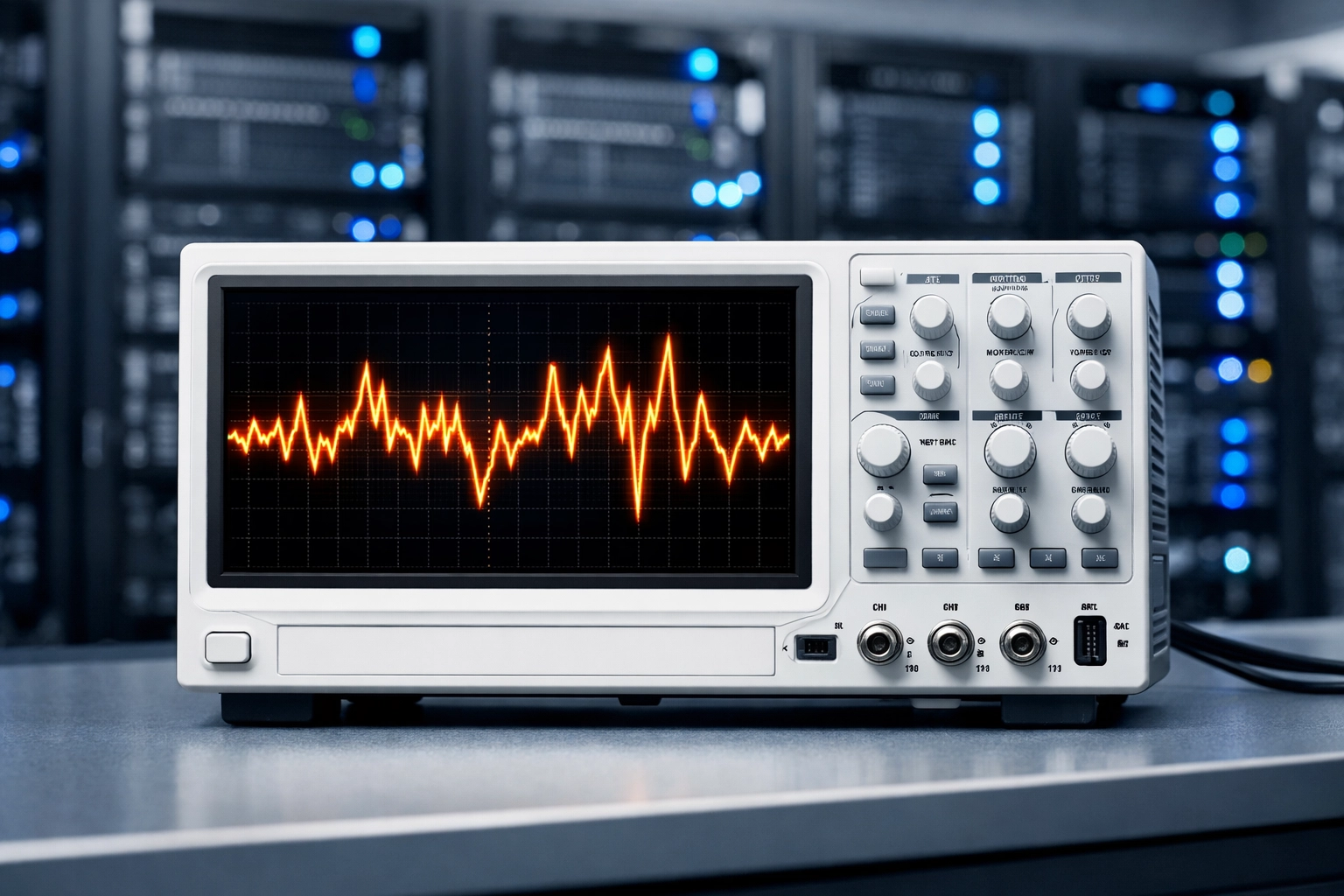
Let's cut through the technical jargon. Dirty power is electrical current that varies by more than 10% from the standard 120 volts (or 208/240V for commercial systems). Instead of the smooth, consistent sine wave your equipment expects, you're getting a distorted, noisy signal that creates havoc inside sensitive electronics.
Think of it like trying to listen to a podcast through a speaker filled with static. The information is there, but it's corrupted by interference. Your electronics experience the same frustration: except they can't just turn up the volume or switch devices.
The Common Culprits Behind Power Quality Issues
Dirty power doesn't come from a single source. It's death by a thousand cuts, with interference coming from:
Internal sources:
- Large HVAC systems cycling on and off
- Variable frequency drives (VFDs) controlling motors and fans
- Switching power supplies in computers and networking gear
- LED lighting systems (ironically, your "efficient" upgrade might be causing problems)
- Arc welding equipment and industrial machinery
External sources:
- Voltage fluctuations from utility grid switching
- Lightning strikes miles away creating transient spikes
- Nearby industrial facilities with heavy electrical loads
- Transformers and power lines generating electromagnetic interference (EMI)
- Radio frequency interference (RFI) from wireless signals and poorly shielded lines
The problem? Most facilities have all of these sources operating simultaneously, creating a perfect storm of electrical noise.
The Four Ways Dirty Power Kills Your Equipment
1. Accelerated Component Wear and Premature Failure
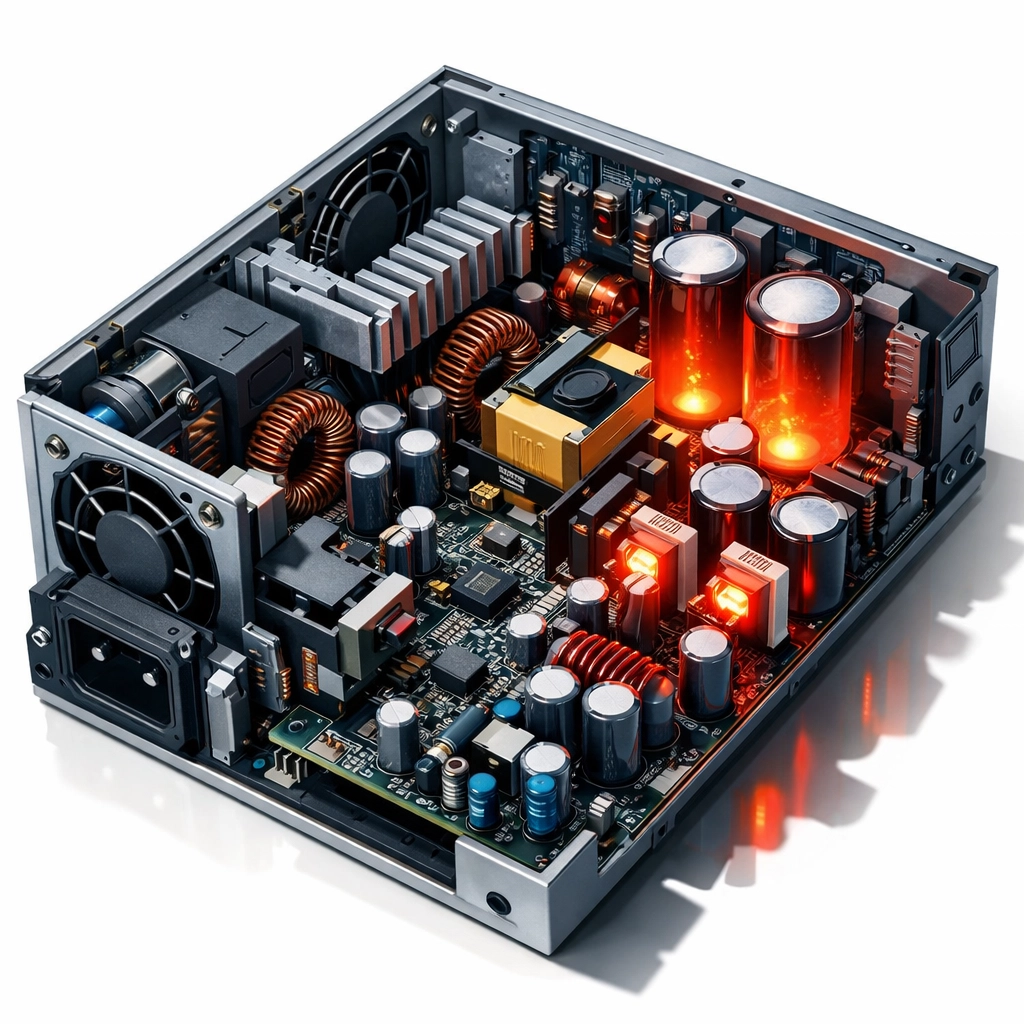
This is the silent killer. Capacitors, transistors, and integrated circuits are designed to handle clean power within specific voltage and frequency ranges. When you feed them inconsistent voltage: especially with harmonic distortion: they heat up beyond design specifications.
In industrial environments, voltage sags or spikes cause motors to overheat, leading to bearing failures and insulation breakdown. That three-phase motor rated for 10 years? Dirty power can cut that lifespan in half. And when that motor drives your data center's cooling system, you've got a cascading problem on your hands.
The data doesn't lie: Equipment operating under poor power conditions experiences failure rates 30-50% higher than those with clean power, according to multiple industry studies.
2. System Malfunctions and Operational Errors
Here's where dirty power gets expensive fast. Programmable logic controllers (PLCs), building automation systems, and industrial controls don't just fail under dirty power conditions: they malfunction. They make wrong decisions, execute incorrect commands, and produce faulty outputs.
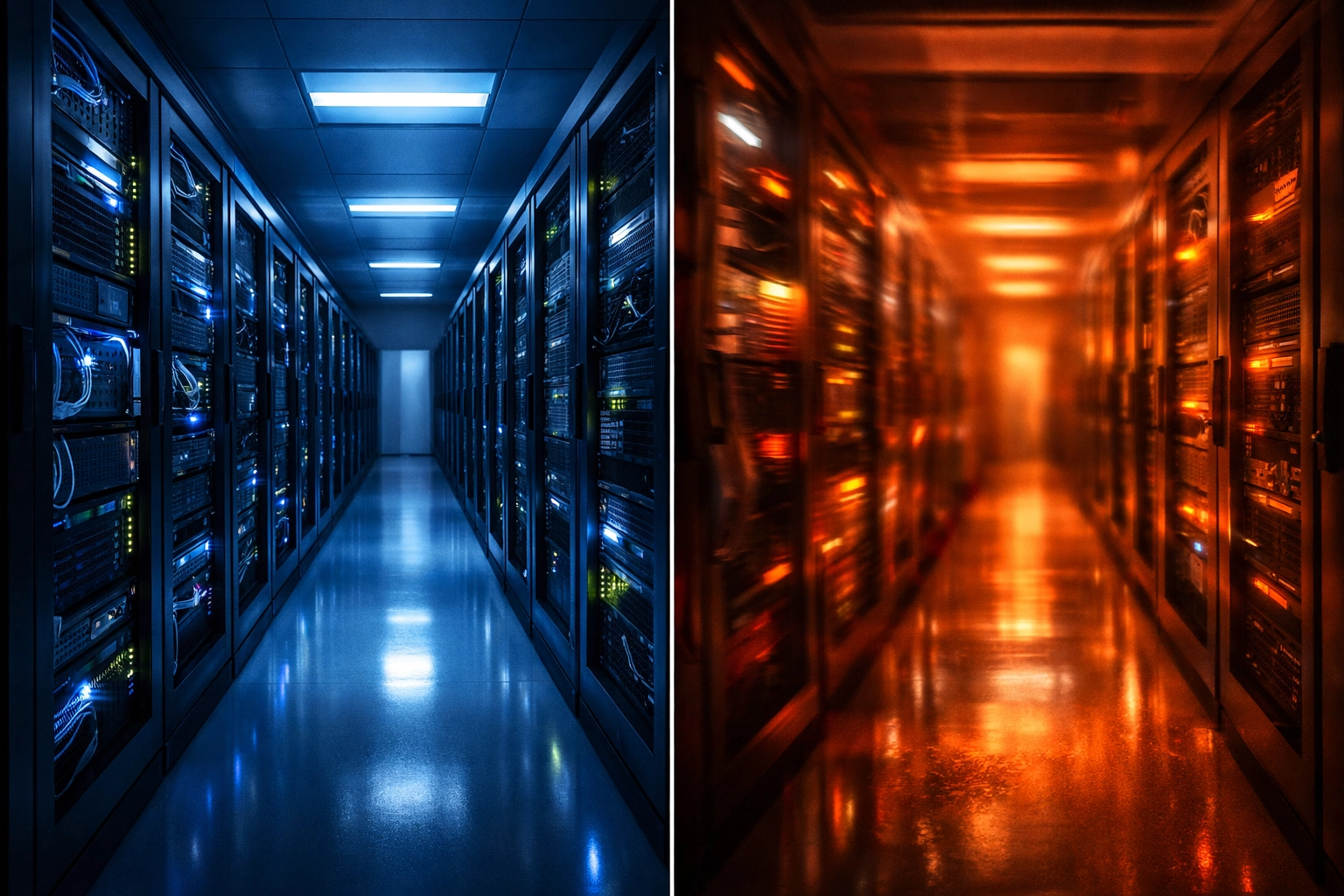
Imagine a manufacturing line where a PLC misreads a sensor value due to electrical noise and triggers an emergency stop. Or a data center cooling controller that throttles fans at the wrong time because harmonic distortion corrupted its input signal. These aren't hypothetical scenarios: they happen regularly in facilities without proper power conditioning.
Momentary voltage reductions (sags) or increases (swells) can cause:
- Unexpected system resets
- Data corruption in memory-dependent processes
- Complete shutdowns of sensitive equipment
- Cascade failures across interconnected systems
According to Gartner research, unplanned downtime costs enterprises an average of $5,600 per minute. Even brief interruptions from power quality issues add up to serious money.
3. Signal Degradation in Precision Equipment
For facilities running high-precision equipment: think medical imaging, laboratory instruments, audio/video production, or high-speed manufacturing: dirty power is absolutely unacceptable.
Oscilloscopes, signal analyzers, and test equipment rely on detecting micro-voltage changes. Electrical noise creates false readings, making quality control impossible. In audio systems, dirty power manifests as audible hums, clicks, and distortion. For analog setups without digital error correction, every bit of interference directly impacts output quality.
Lab equipment is particularly vulnerable because it often operates at the edge of measurable limits. A researcher measuring nanoampere currents can't distinguish real signals from power-induced noise, rendering expensive equipment effectively useless.
4. Transformer Saturation and DC Contamination
This one's sneaky. When direct current (DC) contaminates your AC power lines: introduced by poorly designed power supplies, dimmer switches, or certain types of motor controllers: it can saturate the magnetic cores in transformers.
The result? Mechanical humming, excessive heat generation, and reduced efficiency. Toroidal transformers used in high-end power amplifiers and data acquisition systems are especially susceptible. The transformer doesn't fail catastrophically; it just runs hot, degrades faster, and eventually gives up years before its rated lifespan.
Why Some Equipment Is More Vulnerable Than Others
Not all electronics are created equal when it comes to power quality sensitivity. Here's the vulnerability hierarchy:
Most Sensitive:
- Medical diagnostic equipment
- Laboratory instruments and test equipment
- Programmable logic controllers (PLCs)
- Industrial automation systems
- Analog audio/video equipment
- Tube amplifiers and high-end audio gear
Moderately Sensitive:
- Servers and network equipment
- Desktop computers and workstations
- Variable frequency drives
- LED display systems
- Building automation controllers
Least Sensitive:
- Incandescent lighting
- Resistive heating elements
- Basic motors without controllers
- Simple appliances
The pattern? Equipment with sophisticated electronics, tight voltage tolerances, or analog signal processing gets hit hardest. If your facility relies on any of these systems, power conditioning isn't optional: it's essential infrastructure.
The Real-World Cost of Ignoring Power Quality
Let's talk numbers. A mid-sized data center replacing a failed server costs:
- Hardware replacement: $8,000-$15,000
- Labor for diagnosis and installation: $2,000-$4,000
- Data recovery (if needed): $5,000-$20,000
- Lost productivity during downtime: $10,000-$50,000+
Now multiply that by premature failures across your entire equipment inventory. A facility with 100 critical systems experiencing just 20% higher failure rates due to dirty power could be looking at six-figure annual losses.
Beyond direct replacement costs, consider:
- Increased maintenance calls and troubleshooting time
- Reduced equipment resale value
- Warranty voidance (many manufacturers exclude power quality issues)
- Operational disruptions and missed deadlines
- Reputation damage from unreliable service delivery
Protecting Your Investment: Practical Solutions
The good news? Dirty power is completely addressable with the right protection strategy.
Power conditioning equipment:
- Line-interactive UPS systems with voltage regulation
- Isolation transformers for sensitive equipment zones
- Harmonic filters for facilities with heavy non-linear loads
- Dedicated circuits for critical systems
Infrastructure improvements:
- Proper grounding and bonding systems
- Shielded power distribution
- Separation of noisy loads from sensitive equipment
- Power quality monitoring to identify problem sources
At Ace Real Time Solutions, we've seen facilities transform their reliability metrics simply by addressing power quality issues they didn't know existed. The ROI typically appears within 12-18 months through reduced maintenance costs and extended equipment life alone.
Don't Wait for Failure to Take Action
Dirty power doesn't announce itself with warning lights or alarm bells. It works silently, degrading your equipment investment every day until failure becomes inevitable. The question isn't whether power quality issues are affecting your facility: it's how much damage they've already done.
If you're experiencing unexplained equipment failures, random system glitches, or shortened hardware lifespans, it's time for a power quality assessment. Understanding what's happening in your electrical infrastructure is the first step toward protecting your investment.
Ready to stop letting dirty power steal your equipment's lifespan? Contact our team for a power quality consultation. We'll help you identify vulnerabilities and design protection strategies that actually work for your specific facility needs.
Because in 2026, "the power was fine" is no longer an acceptable excuse for preventable equipment failures.