

Don't Just Toss It: The Ultimate Guide to Safely Recycling Old UPS Batteries
So your UPS battery finally gave up the ghost. Maybe it's been three years, maybe five, but now you're staring at a heavy, potentially hazardous chunk of hardware and wondering: "What am I supposed to do with this thing?"
Here's what you absolutely should NOT do: toss it in the dumpster.
UPS batteries contain hazardous materials like lead, sulfuric acid, and heavy metals that can contaminate soil and groundwater if improperly discarded. Beyond the environmental disaster waiting to happen, you could also be breaking the law. Most states have strict regulations governing battery disposal, and violations can result in hefty fines.
But don't worry, recycling your old UPS batteries is easier than you might think. This guide will walk you through everything you need to know, from identifying your battery type to finding the right recycling partner.
Why Proper UPS Battery Disposal Actually Matters
Let's get real for a second. When you're managing a data center or overseeing IT procurement for a growing tech company, battery disposal probably isn't at the top of your priority list. But it should be on the list somewhere, and here's why.
The Environmental Impact
UPS batteries commonly contain valve-regulated lead-acid (VRLA), lithium-ion, or nickel-cadmium chemistries. Each of these poses serious environmental and health risks when disposed of improperly.
Lead is particularly nasty. It's both a valuable resource and a dangerous neurotoxin. When lead-acid batteries end up in landfills, the lead can leach into the surrounding soil and eventually contaminate groundwater. The same goes for the sulfuric acid inside, it can cause chemical burns and contribute to soil acidification.
The Legal Consequences
The U.S. Battery Act, enacted in 1996, specifically regulates battery recycling safety and processes. And here's the kicker: lead-acid batteries cannot legally be disposed of by any means other than recycling. Period.
Each state also has its own specific battery recycling laws, so depending on where you operate, you might face additional requirements. Ignorance isn't a defense here, if you're caught improperly disposing of UPS batteries, you could be looking at fines, penalties, and a whole lot of paperwork.

Know Your Battery: Identifying What You're Working With
Before you can properly recycle your UPS battery, you need to know what type you're dealing with. Different chemistries require different handling and disposal procedures.
Valve-Regulated Lead-Acid (VRLA) Batteries
These are the most common type found in UPS systems. They come in two varieties: Absorbent Glass Mat (AGM) and Gel. VRLA batteries are sealed, maintenance-free, and relatively safe to handle, but they still contain lead and acid that require proper disposal.
Lithium-Ion Batteries
Increasingly popular in modern UPS systems, lithium-ion batteries offer longer lifespans and smaller footprints. However, they can be more dangerous to handle if damaged, as they pose a fire risk. These require specialized recycling processes.
Nickel-Cadmium (NiCd) Batteries
Less common today but still found in some older industrial UPS systems. Cadmium is highly toxic, so these batteries absolutely must go through proper recycling channels.
Pro tip: Check the label on your battery or consult your UPS documentation to confirm the chemistry. If you're still unsure, reach out to the manufacturer or your power protection vendor for guidance.
Step-by-Step: How to Safely Recycle Your UPS Batteries
Alright, let's get practical. Here's exactly what you need to do to get those old batteries out of your facility and into the hands of a qualified recycler.
Step 1: Safely Remove the Battery
Power down your UPS system following the manufacturer's instructions. Most modern UPS units are designed for hot-swappable battery replacement, but it's still good practice to disconnect from utility power when possible. Wear protective gloves and safety glasses: even sealed batteries can leak if they're old or damaged.
Step 2: Inspect for Damage
Before packaging, check your battery for any signs of swelling, cracking, or leakage. Damaged batteries may require special handling and should be reported to your recycler ahead of time. Never attempt to ship a visibly damaged lithium-ion battery without consulting a professional first.
Step 3: Package Properly
Use sturdy, crush-resistant shipping containers. Heavy-duty corrugated cartons work well if you don't have the original packaging. Protect the battery with plastic bubble wrap and crumpled newspaper, ensuring it won't shift when the box is moved. Skip the Styrofoam packing beads: they don't provide adequate protection and can create a mess.

Step 4: Choose Your Recycling Method
You've got several options here, depending on your volume and preferences:
| Method | Best For | Pros | Cons |
|---|---|---|---|
| Professional Pickup | Large volumes, data centers | Convenient, handles compliance | May have minimum quantity requirements |
| Drop-off Locations | Small quantities, individual units | Free, widely available | Requires transportation |
| Manufacturer Programs | Warranty replacements, trade-ins | Often includes prepaid shipping | Limited to specific brands |
Professional pickup services are ideal for data center operators dealing with multiple batteries at once. Companies like Battery Recyclers of America offer next-day or scheduled pickup and handle all transportation and compliance requirements for you.
Drop-off locations like Batteries Plus accept UPS batteries, and you can find local recycling sites through Earth911.com. This is a great option for smaller quantities.
Manufacturer programs from companies like Schneider Electric often include prepaid return shipping labels when you purchase replacement batteries. Some even offer trade-in credits.
Step 5: Document Everything
This is crucial for regulatory compliance and audit purposes. Keep records of:
- Recycling certificates
- Shipping manifests
- Chain of custody documentation
- Recycler certifications and EPA approval status
Trust us: if an auditor ever comes knocking, you'll be glad you kept this paperwork.
Finding the Right Recycling Partner
Not all recyclers are created equal. When choosing a partner for your UPS battery disposal, look for these qualifications:
EPA approval and certification. Your recycler should comply with federal DOT safety regulations and hold appropriate EPA certifications. In the UK and Ireland, look for approval under Hazardous Waste Regulations.
Transparent processes. A reputable recycler should be able to explain exactly what happens to your batteries after they leave your facility. Where do the materials go? How are hazardous components neutralized?
Documentation and compliance support. The best recyclers will provide recycling certificates, manifests, and other documentation you need for regulatory compliance.
Convenient logistics. Whether that's pickup service, prepaid shipping labels, or multiple drop-off locations, your recycler should make the process as painless as possible.
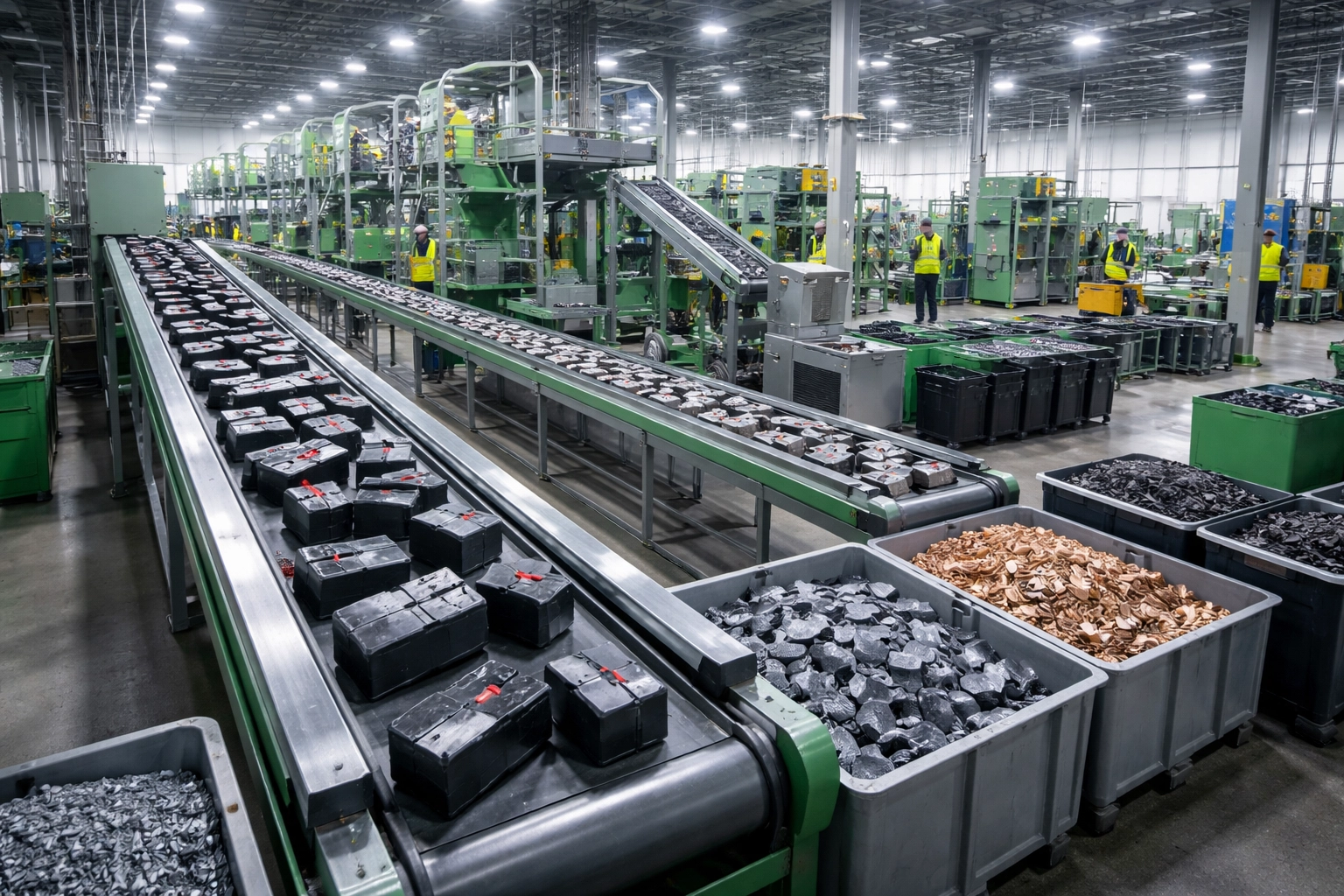
The Bigger Picture: Why Battery Recycling Supports Your Bottom Line
Here's something that might surprise you: responsible battery recycling isn't just good for the environment: it can actually benefit your organization economically.
Recycling UPS batteries recovers valuable materials like lead, plastic, and lithium that can be reused in new products. This supports the circular economy by reducing demand for raw materials and minimizing the environmental footprint of battery production.
Some recyclers even offer rebates or credits for large volumes of batteries, particularly for lead-acid chemistries where the lead content has significant value. For data center operators cycling through dozens or hundreds of batteries each year, these credits can add up.
And let's not forget the avoided costs. Proper disposal protects you from potential fines, legal fees, and reputation damage associated with environmental violations. In an era where corporate sustainability is increasingly important to customers and stakeholders, responsible battery management is just good business.
Ready to Upgrade Your Power Protection Strategy?
If you're replacing old UPS batteries, it might be time to evaluate your entire power protection setup. Technology has advanced significantly in recent years, and newer batteries offer longer lifespans, better efficiency, and improved monitoring capabilities.
At Ace Real Time Solutions, we help data center operators, tech companies, and IT procurement teams find the right power protection solutions for their needs. From batteries to complete system design, we've got you covered.
Have questions about battery recycling or ready to explore your upgrade options? Contact our team today: we're here to help.
Related Topics You Might Enjoy:
- Consumer vs. Enterprise UPS: Why Going "Cheap" Might Cost You Everything
- The Silent Battery Killer: How Extreme Heat Waves Are Draining Your UPS
- Why Predictive Battery Maintenance Will Change the Way You Manage Power Protection
Got questions about UPS battery recycling? Drop a comment below( we'd love to hear from you!)