

Can You Really Rely on Portable Power Stations for Emergencies?
When the power goes out, everyone's first question is usually "How long will this last?" But if you've been thinking about portable power stations as your emergency backup solution, you might be wondering something else entirely: "Can I actually count on this thing when I really need it?"
The short answer? Yes, but with some important caveats. As someone who's spent years helping businesses and homeowners figure out their power protection needs, I've seen portable power stations work brilliantly in some situations and fall short in others. The difference usually comes down to realistic expectations and proper planning.
What Exactly Are Portable Power Stations?
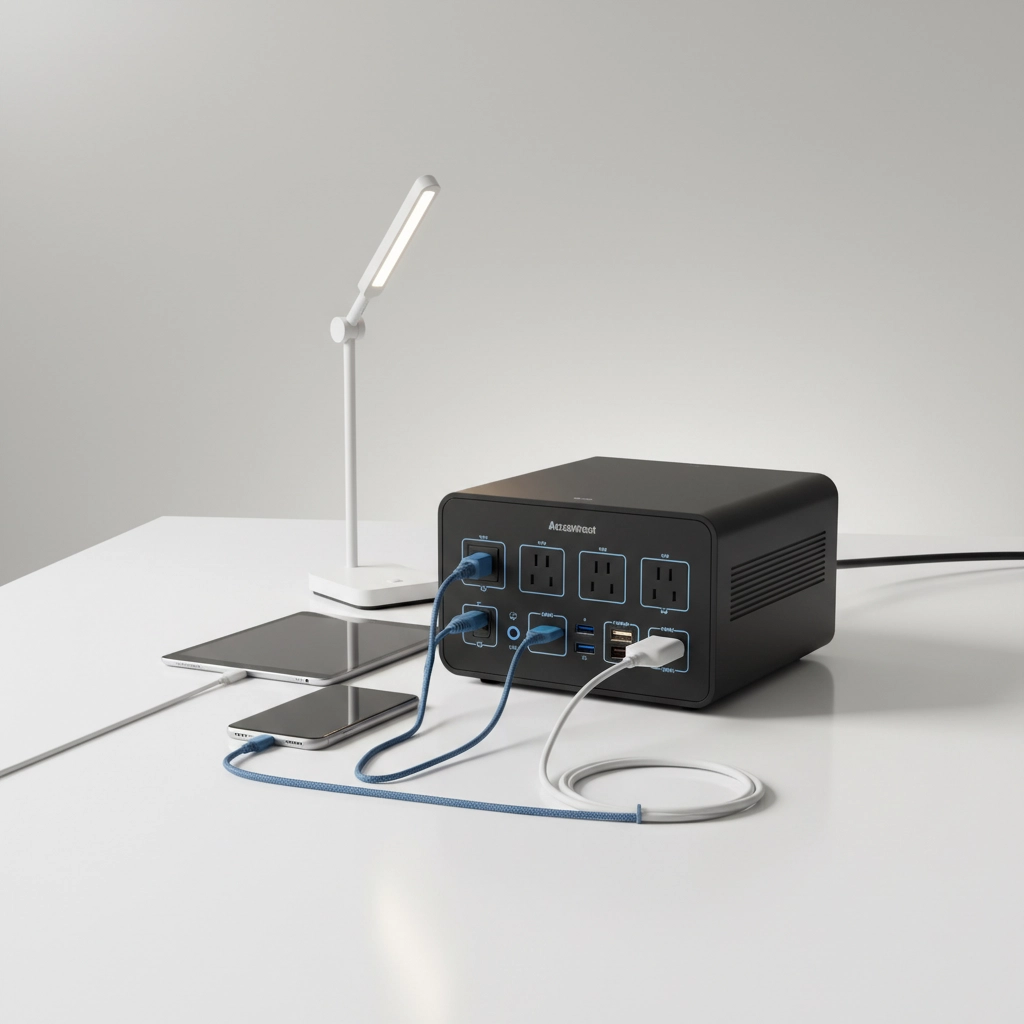
Think of portable power stations as big, rechargeable batteries with outlets. Unlike traditional uninterruptible power supply (UPS) systems that are designed to bridge short outages or provide clean shutdowns, these units are built for longer-term portable power needs. They're essentially the evolved cousins of those old car jump starters, but way more sophisticated.
Most quality units pack lithium-ion or lithium iron phosphate batteries inside a portable case, along with inverters to convert DC power to household AC power. You'll typically find multiple outlet types - standard AC plugs, USB ports, 12V car outlets, and sometimes specialized connections.
The Reliability Factor: It's All About Realistic Expectations
Here's where things get interesting. Portable power stations can be incredibly reliable for what they're designed to do, but they're not miracle workers. The key is understanding what "reliable" means in your specific situation.
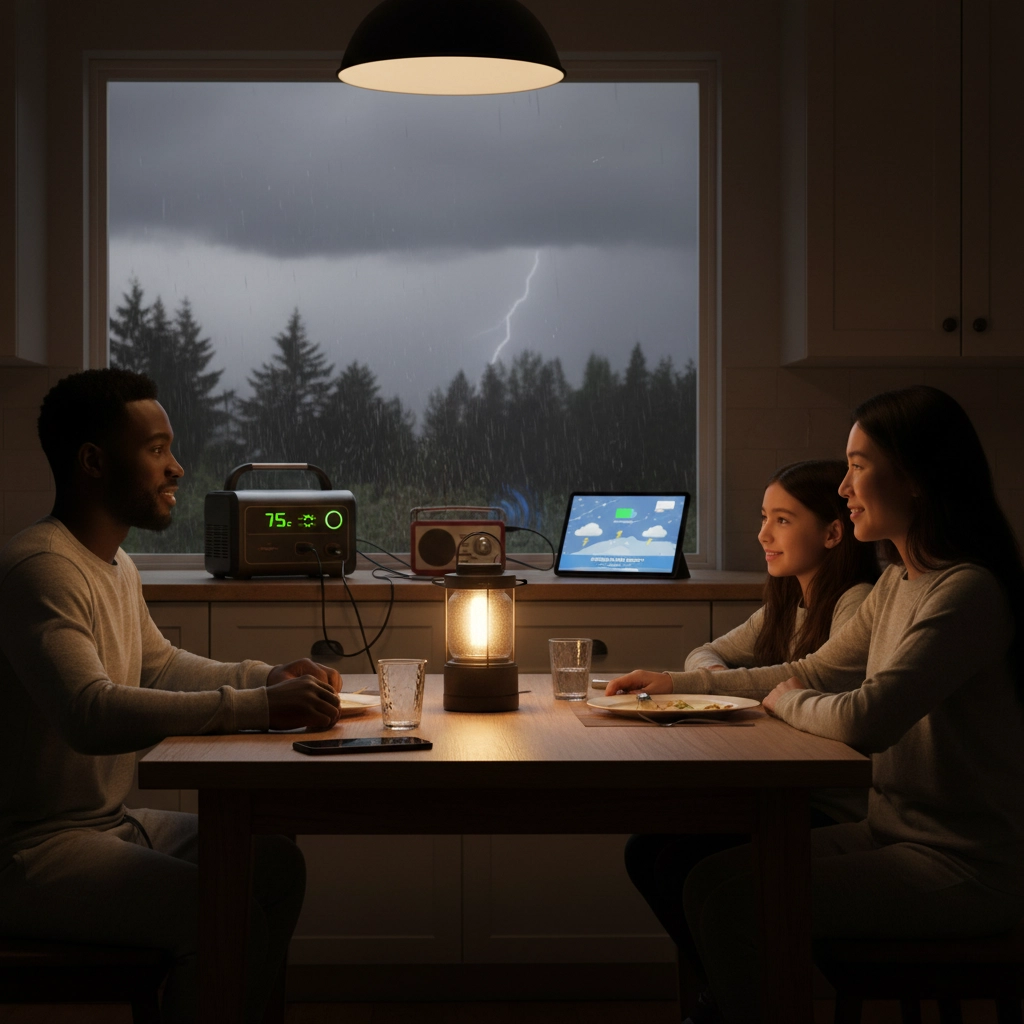
For basic emergency needs - keeping your phone charged, running a small radio, powering LED lights, maybe running a small fan - a decent portable power station with 500-1000Wh capacity is rock solid. These devices excel at keeping essential electronics running during short to medium-term outages.
But if you're expecting to run your refrigerator, microwave, and space heater all at once for three days straight, you're setting yourself up for disappointment. That's more in the territory of whole-house generators or serious battery backup systems.
Capacity: The Make-or-Break Factor
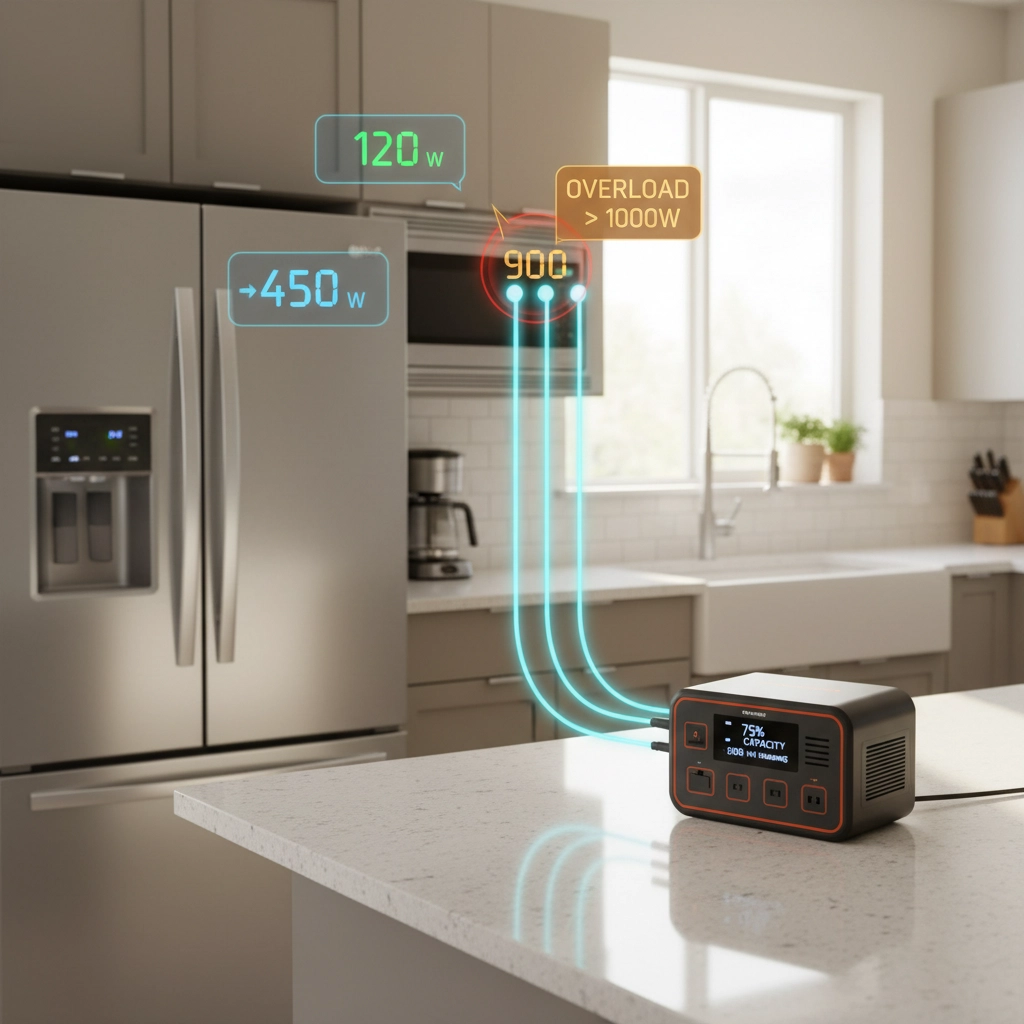
The biggest mistake I see people make is underestimating their power needs. Here's a reality check: most household refrigerators use about 150-400 watts while running. That sounds reasonable until you realize they cycle on and off throughout the day. A typical refrigerator might consume 3-4 kWh over 24 hours.
If you've got a 1000Wh (1 kWh) portable power station, your fridge alone will drain it in about 6-8 hours of actual runtime. Add in some lights, phone charging, and maybe a small fan, and you're looking at even less time.
The sweet spot for most emergency situations seems to be around 2000Wh or higher. This gives you enough juice to power essential items for a full day, assuming you're selective about what you plug in.
Where They Shine: Real Advantages
Don't let my capacity warnings scare you off - these things have some serious advantages over traditional backup solutions:
Silent Operation: Unlike gas generators that sound like lawn mowers running in your backyard, portable power stations are whisper quiet. Your neighbors will thank you, and you can actually sleep while they're running.
Indoor Safe: No carbon monoxide risks, no fuel storage concerns, no ventilation requirements. You can safely use these inside your house, which is a huge advantage during severe weather.
Instant Power: Unlike generators that need starting and warm-up time, portable power stations provide immediate power. Just plug in and go.
Multiple Charging Options: Most can charge from wall outlets, car adapters, and solar panels. This flexibility is golden during extended outages where you might have access to a vehicle or some sunshine but no grid power.
Clean Power: The power output is typically very clean - often cleaner than what comes from your wall outlet. This makes them safe for sensitive electronics like laptops and medical equipment.
The Professional Perspective: UPS vs. Portable Power Stations
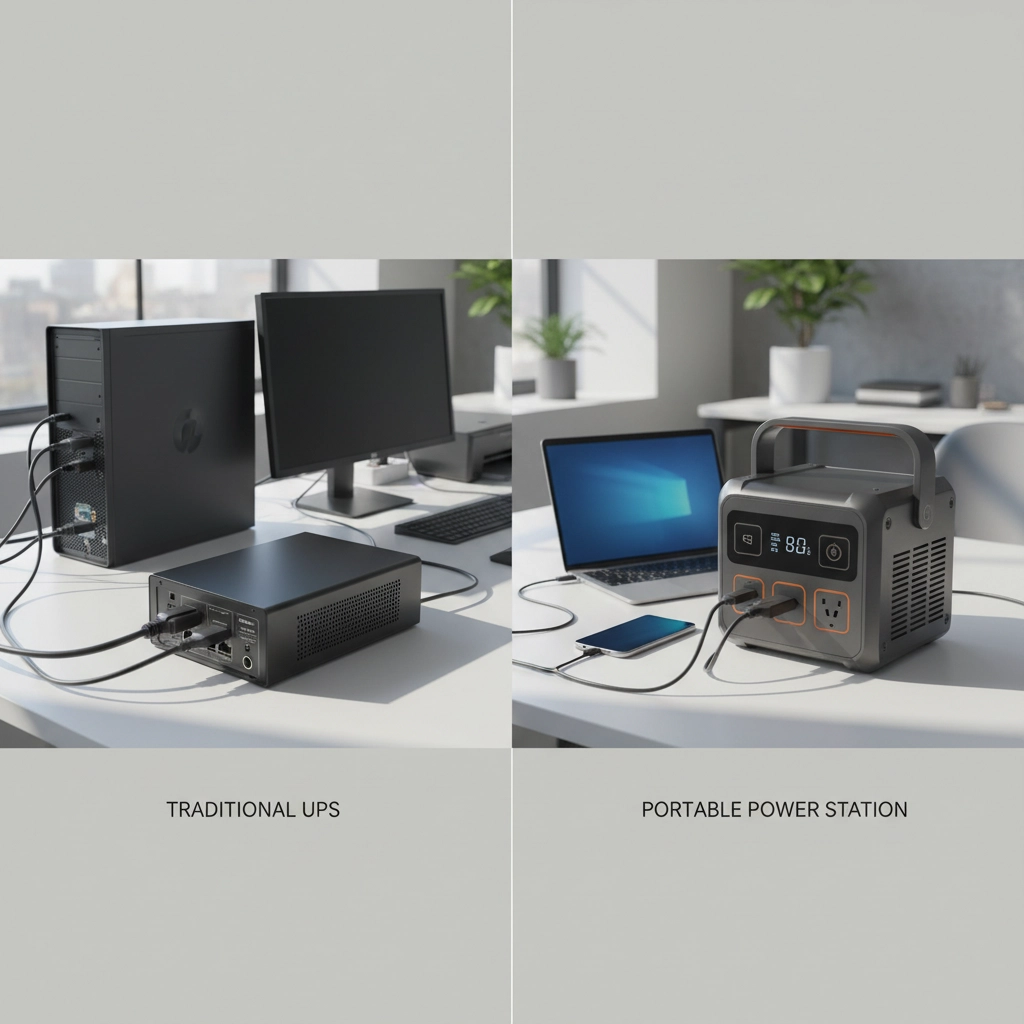
In my business, I often get asked how portable power stations compare to traditional UPS systems from companies like APC by Schneider Electric or CyberPower. Here's the deal: they serve different purposes.
A UPS system is designed for immediate power transfer during outages - we're talking milliseconds. It's meant to keep your computer running long enough to save your work and shut down properly, or to bridge short utility blips. Most UPS units provide 5-30 minutes of runtime.
Portable power stations, on the other hand, are designed for longer runtime but with slower transfer speeds. They're not going to seamlessly keep your computer running if the power cuts out while you're working, but they will power your laptop for hours after you manually plug it in.
Common Misconceptions and Limitations
Let's bust some myths I hear regularly:
"It'll power my whole house" - Nope. Even the largest portable units max out around 3000-4000 watts. Your electric stove alone probably draws more than that.
"Solar panels mean unlimited power" - Solar charging is great, but it's slow and weather-dependent. Don't count on fully recharging a large unit in one day unless you have ideal conditions and plenty of panel capacity.
"They last forever" - Lithium batteries do degrade over time. Expect 80% capacity after 2000-3000 charge cycles with quality units. That's still many years of use, but it's not infinite.
"Bigger is always better" - Not necessarily. Larger units are heavier, more expensive, and take longer to recharge. Match the capacity to your actual needs.
Making the Smart Choice
If you're considering a portable power station for emergency preparedness, here's my professional advice:
Start by doing a realistic power audit. List the essential items you absolutely need during an outage - phone charging, some lights, maybe medication that needs refrigeration. Calculate the actual power consumption, not just the rated wattage.
Consider your local emergency patterns. If you typically see 2-4 hour outages a few times per year, a smaller unit might be perfect. If you're in an area prone to multi-day outages from storms, you'll need more capacity or multiple units.
Think about recharging options. Solar panels are great for extended grid-down scenarios, but they add cost and complexity. Car charging can be a good middle ground if you have vehicle access.
Don't forget about expandability. Some systems allow you to daisy-chain multiple units or add external battery packs. This gives you room to grow your capability over time.
The Bottom Line
Can you rely on portable power stations for emergencies? Absolutely, if you size them correctly and have realistic expectations. They're not going to replace your home's electrical panel, but they excel at keeping essential devices running during outages.
For most families, a quality 1500-2000Wh unit provides excellent emergency backup capability. It'll keep phones charged, run LED lights, power a radio, and maybe keep a small refrigerator running intermittently for 12-24 hours.
The key is planning ahead and understanding your actual needs vs. your wants during an emergency. That expensive espresso machine might have to wait until the power comes back on.
Ready to Protect What Matters Most?
Power outages are unpredictable, but your preparedness doesn't have to be. At Ace Real Time Solutions, we help families and businesses choose the right power protection solutions for their specific needs. Whether you're looking at portable power stations, traditional UPS systems, or comprehensive backup solutions, our team has the expertise to guide you to the right choice.
Don't wait for the next outage to discover your power protection gaps. Contact our team today for a personalized consultation and let's build a power protection plan that actually works when you need it most.