

Balcony Solar Meets Home Battery: How Bluetti's Balco 500 Is Rewriting Apartment Energy
For years, apartment residents have faced a frustrating energy gap. They may want lower electricity bills, solar generation, and backup power, but they usually cannot install rooftop panels, mount a permanent battery, or modify a building’s electrical system.
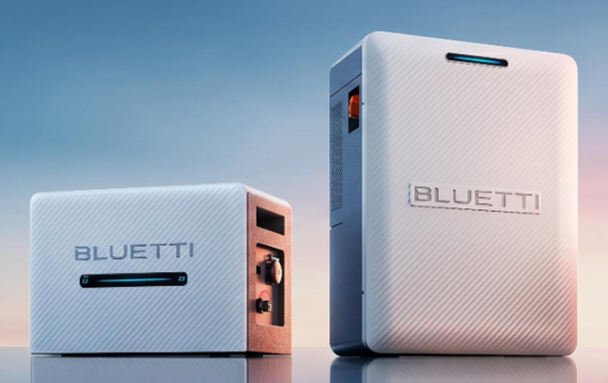
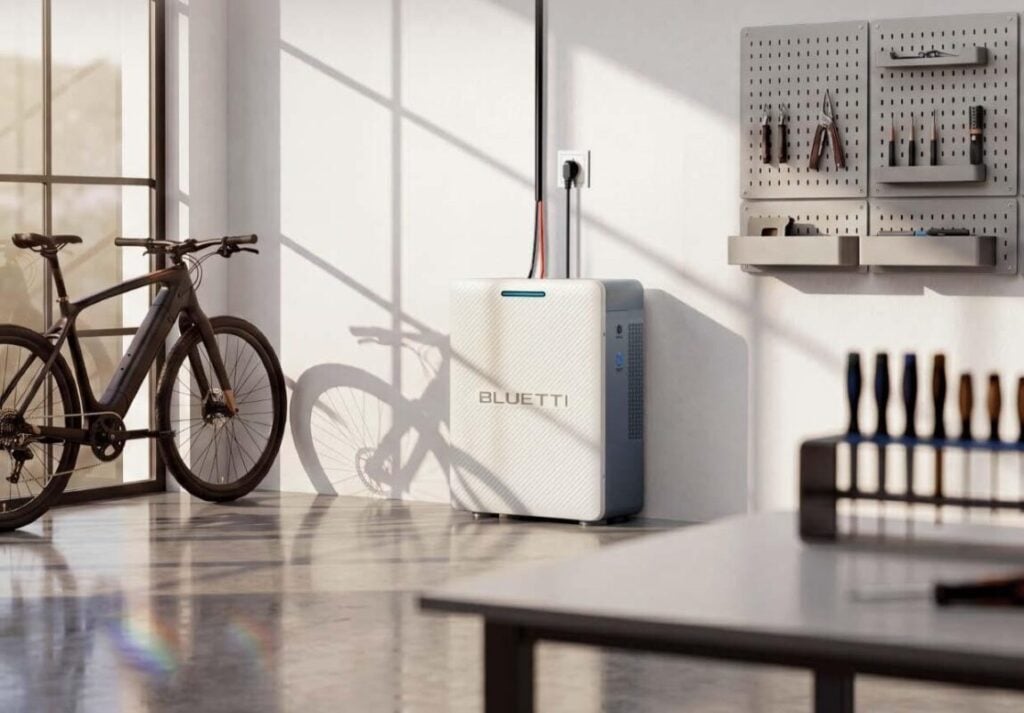
BLUETTI’s Balco 500 is designed to address that gap. The all-in-one system combines solar power electronics, battery storage, an inverter, and energy management in one outdoor-rated enclosure. Its proposition is straightforward: make solar-plus-storage practical for renters, apartment dwellers, and small-space homeowners who need more than a portable power station but less than a full rooftop installation.
The important qualification is that “plug and play” does not mean “install anywhere, under every electrical code.” The Balco 500’s operating mode, connection method, local regulations, landlord requirements, and available balcony space all determine what it can safely and legally do.
What Is the BLUETTI Balco 500?
The Balco 500 is a 5.024 kWh lithium iron phosphate, or LFP, battery system with an integrated inverter and maximum power point tracking, commonly called MPPT. MPPT electronics optimize the voltage and current coming from solar panels so the system can harvest more usable energy under changing sunlight conditions.
According to BLUETTI’s published specifications, the system supports:
- 5,024 Wh of LFP battery capacity
- Up to 4,360 W of maximum solar input
- 70–470 V solar input range
- 3,680 W / 3,680 VA AC output in higher-power operating modes
- Up to 800 W of plug-in grid output in balcony mode
- IP65 protection
- Operating temperatures from approximately −20°C to 55°C
- App control and smart-meter compatibility
- A stated 10-year warranty
The system also supports wireless integration through BLUETTI’s energy platform and can coordinate with compatible smart meters and third-party home-energy systems.
Why the Balco 500 Matters for Apartment Energy
Traditional rooftop solar assumes ownership, roof access, structural capacity, and permission to modify the electrical system. Those assumptions exclude a large portion of the residential market.
Balcony solar changes the deployment model. Instead of relying on a large rooftop array, a resident can use a smaller panel installation on a balcony, terrace, façade, or other approved location. Adding battery storage improves the value of that limited solar resource because energy generated during the day can be stored and used later.
That matters for three reasons:
- Solar energy becomes more useful after sunset. Without storage, excess midday generation may be exported or wasted. A battery can reserve that energy for evening loads.
- Small solar arrays become more practical. A balcony system will not produce the same energy as a full rooftop installation, but storage can help increase self-consumption.
- Backup power becomes accessible without a generator. The battery can support selected loads during an outage, depending on the installation configuration.
This is the same basic principle used in larger commercial power-protection systems: generate, store, monitor, and deliver energy according to the load’s priority. The difference is scale.
For apartment residents, the goal is not to power every appliance indefinitely. The goal is to protect essential circuits and reduce grid dependence within the physical and regulatory limits of the property.
Plug-In Balcony Mode Versus Backup Mode
The most important distinction is between balcony plug-in operation and fixed backup installation.
Balcony plug-in mode
In balcony mode, the system is designed to feed energy into a household circuit at a capped output. BLUETTI and industry reporting describe an 800 W maximum grid-tied output through the Balco Transfer Hub and compatible plug-in interfaces, including Schuko or Wieland configurations in applicable markets.
The 800 W figure is a grid-feed limit. It does not mean the Balco 500’s battery or inverter can only produce 800 W in every circumstance. The underlying hardware is rated for substantially more power in off-grid and fixed-installation modes.
This distinction is essential. A renter may be able to use an 800 W plug-in configuration in a jurisdiction that permits balcony solar under defined conditions. That does not automatically authorize a 3,680 W backfeed through a wall socket.
Fixed backup installation
For higher-power operation, the Balco 500 can be integrated with a home distribution panel. This is a different electrical installation and may require a qualified electrician, permits, utility coordination, transfer equipment, and approval from the authority having jurisdiction.
In this configuration, the system can provide up to 3,680 W of AC output, subject to the final design and local requirements. BLUETTI also states that up to three units can be connected in parallel for approximately 11 kW of output and 15 kWh of storage.
That is a meaningful residential backup platform, but it is not a casual balcony installation. Panel integration must prevent unsafe backfeeding, maintain proper overcurrent protection, and ensure that backup loads are isolated from the utility when required.
Realistic Output: What Can 5 kWh Actually Run?
A 5.024 kWh nameplate battery does not equal 5.024 kWh delivered to appliances. Conversion losses, reserve capacity, temperature, battery age, and operating limits reduce the usable amount.
At a simplified level:
- An 800 W continuous load could consume 4 kWh in five hours.
- A 3,680 W load could theoretically consume 5 kWh in about 1.4 hours.
- Actual runtime will be shorter after inverter losses and reserve requirements.
- A 100 W networking and communications load could run for many hours.
- A refrigerator, modem, router, lighting, laptop, phone chargers, and selected medical or home-office equipment are more realistic targets than electric heating or central air conditioning.
Startup surges also matter. Compressors, pumps, and motors may briefly draw more power than their running rating. A system that appears large enough on paper may still need additional surge capacity or load management.
For renters, the most practical strategy is to identify priority loads first:
- Internet modem and router
- Laptop and monitor
- Lighting
- Refrigerator
- Security equipment
- Phone charging
- Small medical devices
- Selected kitchen appliances
Electric resistance heaters, electric water heaters, clothes dryers, ovens, and large air-conditioning systems can exhaust a 5 kWh battery rapidly. Backup design should begin with a load schedule, not a marketing capacity number.

Solar Input: Maximum Rating Versus Balcony Reality
The Balco 500’s published maximum solar input is approximately 4,360 W, with a 70–470 V range through a single MPPT channel. That is a substantial electrical input rating for a residential storage unit.
However, most balconies will not provide 4.36 kW of usable solar generation. Available area, shading, panel orientation, railing restrictions, wind exposure, and local plug-in limits will usually constrain the array well below the system’s maximum input.
The maximum solar input should therefore be understood as a ceiling, not a promise of daily production.
A small apartment installation may produce only a fraction of its theoretical output on an average day. Even so, that energy can be valuable if it offsets daytime refrigerator, networking, lighting, and electronics loads or charges the battery for evening use.
BLUETTI also reports a system efficiency figure of 96.11%, while its product materials separately identify a maximum PV-to-AC efficiency of approximately 89.5%. These figures describe different measurement points and operating conditions. Buyers should ask for the full test methodology rather than comparing headline percentages without context.
Compliance Considerations Before Installation
The Balco 500 is attractive because it can reduce installation complexity. It does not eliminate compliance responsibilities.
Before purchasing or connecting a system, confirm:
- Local plug-in limits. The 800 W configuration is associated with specific European and UK balcony-solar frameworks. It should not be treated as a universal U.S. rule.
- Utility requirements. Grid-connected equipment may require utility approval, certified interconnection equipment, or a documented export limit.
- Building and landlord permission. Balcony equipment may affect façades, common areas, insurance, and lease conditions.
- Structural and wind loading. At approximately 65 kg, the Balco 500 is not a lightweight consumer gadget. The balcony or mounting location must support the equipment and account for movement, vibration, and weather.
- Electrical connection. Never use an improvised extension-cord arrangement or attempt to energize building wiring through an unauthorized connection.
- Weather and ventilation. IP65 protection helps defend against dust and water ingress, but the unit still needs appropriate clearance, drainage, and protection from extreme exposure.
- Emergency access. Battery placement must not block exits, fire routes, stairwells, or required maintenance access.
For U.S. residents, the applicable requirements may involve the National Electrical Code, local amendments, the utility, the building owner, and the authority having jurisdiction. A qualified electrical professional should confirm whether the intended operating mode is permitted before installation.
Who Is the Balco 500 For?
The Balco 500 is best suited to:
- Renters with landlord approval
- Apartment dwellers with a usable balcony or terrace
- Small-space homeowners without practical rooftop access
- Home-office professionals who need continuity for networking and computing equipment
- Prosumers who want solar self-consumption and backup in one system
- Existing BLUETTI users seeking a more integrated home-energy configuration
- Users who understand that backup power is about load prioritization, not unlimited electricity
It may be excessive for someone who only needs to charge phones during a short outage. In that case, a smaller portable power station may be more economical.
It may also be insufficient for a large home with electric heating, central air conditioning, a well pump, or other high-demand equipment. Those applications require a formal load study and potentially a larger battery, transfer switch, generator, or fixed UPS system.
Ace Real Time Solutions helps customers evaluate those tradeoffs across batteries, UPS systems, solar equipment, and professional installation services. The right solution depends on the load, runtime objective, electrical service, and installation environment.
The Real Shift: Energy Protection in Smaller Spaces
The Balco 500 does not make every apartment energy-independent. It does something more practical: it narrows the gap between a small portable battery and a full residential solar installation.
Its combination of 5 kWh-class storage, integrated power electronics, app monitoring, and multiple operating modes gives renters and small-space homeowners more control over when energy is generated, stored, and used.
That is the direction of modern Real-Time Solutions: right-sized infrastructure, measurable performance, and power protection designed around actual priorities. For apartment residents, the next step should be a site review: not an assumption that every balcony is automatically ready for solar.
To compare backup options, request a power audit, or discuss a customized solution design, visit acerts.com or review Ace Real Time Solutions’ services.
Frequently Asked Questions
What is the BLUETTI Balco 500?
The BLUETTI Balco 500 is an all-in-one solar and battery storage system with a 5.024 kWh LFP battery, up to 4,360 W of solar input, and up to 3,680 W of AC output in higher-power operating modes. Its balcony plug-in configuration is generally described as supporting up to 800 W of grid-tied output, subject to local rules and final installation requirements.
How does the Balco 500 provide backup power in an apartment?
The Balco 500 stores solar or grid energy in its LFP battery and supplies selected loads through its inverter during an outage. Backup performance depends on the connection method, output rating, battery state of charge, load size, startup surges, and whether the system is connected to a properly designed backup circuit or distribution panel.
Is the BLUETTI Balco 500 legal to plug into any balcony outlet?
No. Plug-in eligibility depends on the country, utility, electrical code, building rules, equipment certification, and approved connection method. The 800 W plug-in specification is not a universal U.S. authorization. Renters and homeowners should obtain landlord or property approval and verify requirements with a qualified electrician, utility, or authority having jurisdiction before connecting the system.