

7 Signs Your Business Needs Smart UPS Monitoring (Before It's Too Late)
Your business runs on electricity, but are you really monitoring what happens when that power goes out? Most companies think they're covered with a basic UPS system, but without smart monitoring, you're essentially driving blindfolded. The difference between traditional UPS systems and smart monitoring can be the difference between a minor hiccup and a complete business disaster.
Smart UPS monitoring transforms your power protection from reactive to proactive, giving you the visibility and control needed to prevent costly downtime. But how do you know when it's time to make the upgrade? Here are seven warning signs that your business needs smart UPS monitoring – and why waiting could cost you more than you think.
1. Your UPS Is Constantly Beeping and Triggering Alarms
If your UPS sounds like a smoke detector with a dying battery, you've got a problem. Frequent battery alarms and warning signals aren't just annoying – they're your system's way of screaming for help.
Traditional UPS systems give you basic alerts, but they don't tell you the whole story. Is it a battery issue? Environmental problem? Overload condition? Without smart monitoring, you're playing a frustrating game of electrical detective.
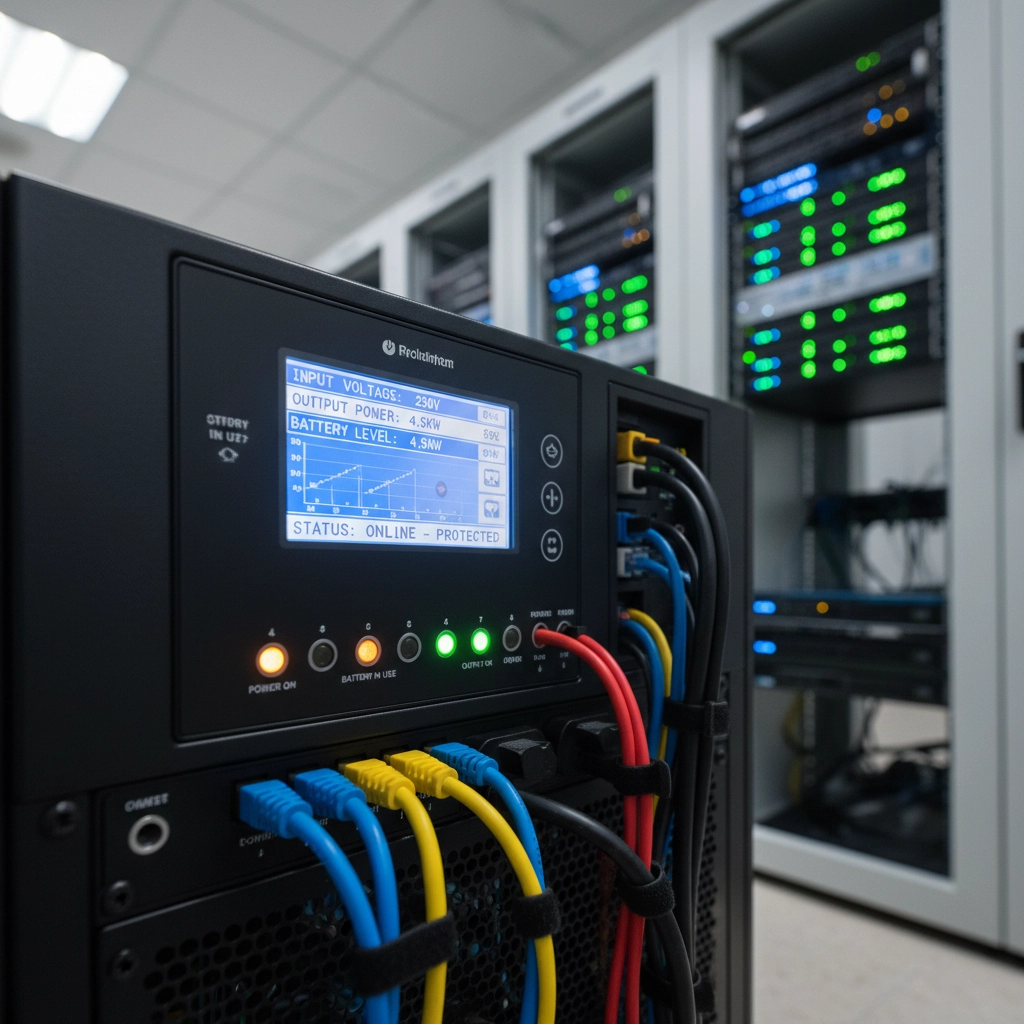
Smart UPS monitoring systems provide detailed diagnostics that go beyond simple beeps. You'll get specific error codes, battery health reports, and environmental data that helps you understand not just what's wrong, but why it's happening. This means you can address root causes instead of just silencing alarms.
2. Your Battery Runtime Keeps Getting Shorter
Remember when your UPS could keep your systems running for 30 minutes during an outage? Now you're lucky to get 10 minutes before everything shuts down. This declining runtime performance is one of the most critical warning signs that your current monitoring approach isn't cutting it.
Battery degradation happens gradually, and by the time you notice shorter runtime, significant damage may already be done. Smart monitoring tracks battery performance metrics in real-time, including charge cycles, discharge rates, and overall health scores. You'll get predictive alerts weeks or months before batteries fail, giving you time to plan replacements instead of scrambling during emergencies.
For businesses in areas prone to extended outages, this visibility is absolutely crucial. You need to know exactly how long your systems can run on battery power, and that information needs to be accurate and up-to-date.
3. Overheating Is Becoming a Regular Problem
UPS systems generate heat, but if yours is running hot constantly or the fans never seem to stop running, you've got a thermal management issue that basic monitoring can't address.
Overheating in UPS systems often indicates problems like inadequate ventilation, failing components, or excessive load conditions. These issues can lead to reduced equipment lifespan, unexpected failures, and in extreme cases, fire hazards.
Smart monitoring provides comprehensive temperature tracking across multiple points in your system. You'll get alerts when temperatures exceed safe thresholds, and historical data helps you identify trends before they become problems. Some systems even integrate with building management systems to coordinate cooling strategies.
4. Battery Self-Tests Are Failing More Often
Most UPS systems perform automatic battery self-tests, but if yours are failing regularly, it's a clear sign that your monitoring capabilities need an upgrade. Failed self-tests indicate battery aging, connection issues, or system problems that require immediate attention.
The problem with basic UPS systems is that they tell you a test failed, but not why. Smart monitoring provides detailed test results, including individual battery performance, connection integrity, and system load analysis. This granular data helps you determine whether you need battery replacement, system maintenance, or load balancing.
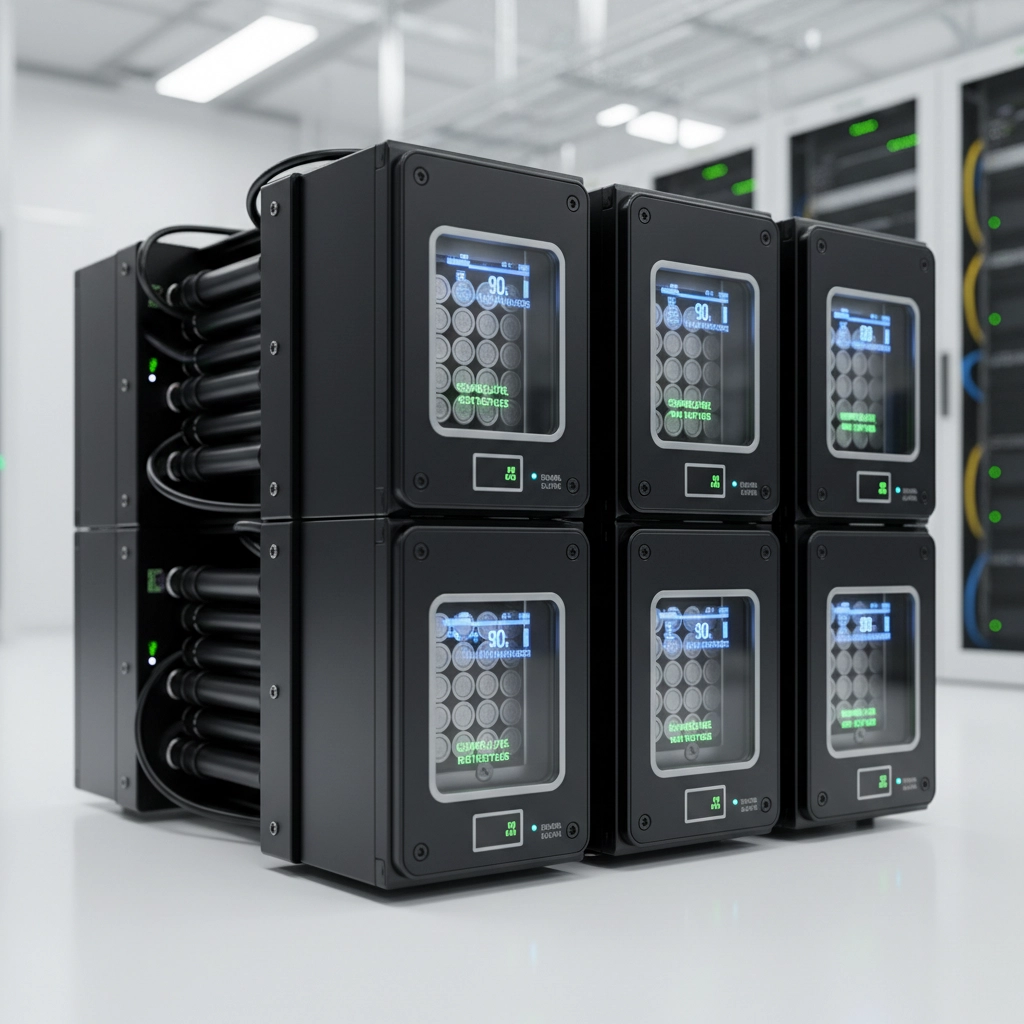
Don't ignore failing battery tests – they're your last warning before complete system failure. With batteries typically lasting 3-5 years under normal conditions, smart monitoring helps you track aging patterns and plan replacements proactively.
5. Power Transfer Issues During Outages
Your UPS is supposed to seamlessly transfer to battery power during outages, but if you're experiencing delays, interruptions, or inconsistent voltage output, your current monitoring system isn't providing the visibility you need to diagnose these critical issues.
Power transfer problems can cause brief interruptions that crash servers, corrupt data, or damage sensitive equipment. These issues often develop gradually and may not be apparent until a major outage exposes the weakness.
Smart UPS monitoring tracks transfer times, voltage stability, and power quality metrics in real-time. You'll get detailed reports on every power event, helping you identify patterns and potential problems before they cause downtime. Some advanced systems, like those from APC by Schneider Electric, provide predictive analytics that can forecast potential transfer issues based on historical performance data.
6. Strange Noises and Warning Indicators Keep Appearing
Buzzing, clicking, humming, or other unusual noises from your UPS system are never a good sign. Combined with warning lights or fault indicators, these symptoms suggest internal component problems that require immediate attention.
The challenge with basic UPS systems is that warning indicators often provide limited information. A red light tells you something's wrong, but not what or how urgent the problem is. Smart monitoring systems provide detailed diagnostic codes, component status reports, and maintenance recommendations that help you understand exactly what needs attention.
These systems also log all events and error codes, creating a maintenance history that helps identify recurring problems or patterns that might indicate larger issues.
7. You Can't Monitor Your Systems Remotely
Perhaps the biggest sign that you need smart UPS monitoring is the inability to check on your power systems remotely. If you have to physically visit each location to check UPS status, you're operating with a significant blind spot.
Modern businesses often have multiple locations, remote workers, or critical systems that operate outside normal business hours. Without remote monitoring capabilities, you have no way to know if your power protection is functioning properly until something goes wrong.
Smart UPS monitoring provides web-based dashboards and mobile apps that let you check system status from anywhere. You'll get instant notifications of problems, can perform remote diagnostics, and even adjust settings without being on-site.

The Real Cost of Waiting
Every day you delay upgrading to smart UPS monitoring, you're gambling with your business continuity. The costs of unexpected downtime go far beyond just lost productivity:
• Data loss and corruption can take weeks to recover from • Hardware damage from power issues can be extremely expensive • Regulatory compliance violations may result in fines • Customer trust and reputation damage can have long-lasting effects • Employee productivity losses compound with each incident
Smart monitoring transforms these risks into manageable, predictable maintenance activities. Instead of emergency repairs and crisis management, you get scheduled maintenance and proactive problem-solving.
Making the Smart Choice
Smart UPS monitoring isn't just about preventing problems – it's about transforming your power infrastructure into a strategic business asset. You'll extend equipment life, reduce maintenance costs, improve efficiency, and most importantly, sleep better knowing your systems are properly protected.
The technology has evolved significantly in recent years, with cloud-based platforms, mobile apps, and AI-powered analytics making smart monitoring more accessible and affordable than ever before. The question isn't whether you can afford to upgrade – it's whether you can afford not to.
Ready to take control of your power protection strategy? Contact our team to discuss smart UPS monitoring solutions tailored to your business needs. Don't wait for the next power event to expose the gaps in your current system – be proactive and protect what matters most.