
7 Electrical Fire Hazards You're Missing at Home (And How UPS Systems Prevent Them)
Most homeowners think they've got electrical safety covered: smoke detectors installed, outlets childproofed, and extension cords tucked away. But the truth is, some of the most dangerous electrical fire hazards are hiding in plain sight, silently increasing your risk every day.
These overlooked dangers cause thousands of house fires annually, and many could be prevented with the right power protection strategy. Let's dive into seven electrical fire hazards you're probably missing and discover how modern UPS systems can be your first line of defense.
1. Overloaded Circuits Creating Hidden Heat Buildup
Your home's electrical system has limits, but most people push those boundaries without realizing it. When you plug multiple high-power devices into the same circuit, you're creating a recipe for disaster.
The problem isn't always obvious: circuits can handle the load during normal use, but when several devices spike in power consumption simultaneously, the wiring heats up rapidly. This heat buildup can ignite insulation and surrounding materials before your circuit breaker even trips.
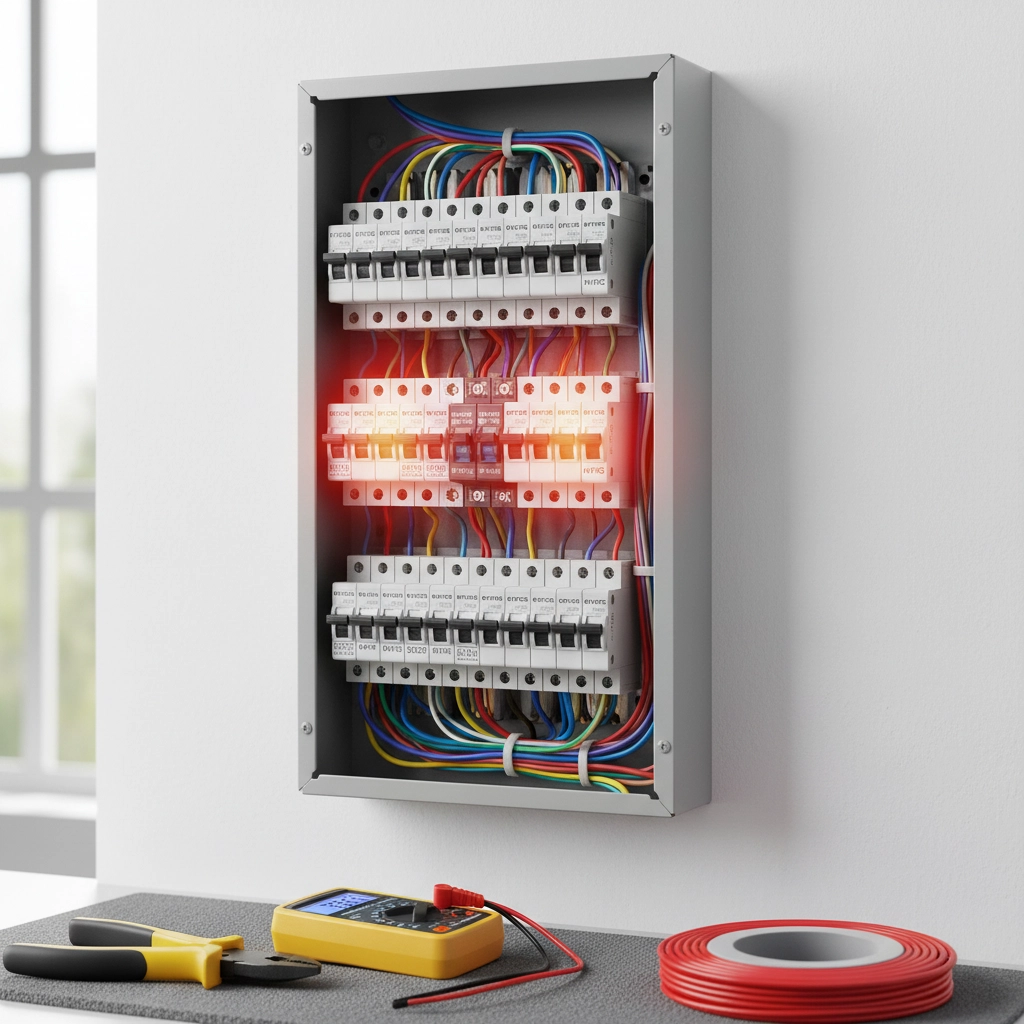
How UPS Systems Help: Quality UPS units monitor power consumption in real-time and can alert you when loads approach dangerous levels. They also distribute power more evenly, preventing the sudden spikes that cause overheating.
2. Loose Electrical Connections Causing Dangerous Arcing
Over time, electrical connections naturally loosen due to thermal expansion, vibration, and settling. These loose connections create gaps where electricity jumps, forming dangerous electrical arcs that generate intense heat: sometimes reaching temperatures over 3,000°F.
These arcs are invisible killers, often occurring inside wall outlets, junction boxes, and electrical panels where you can't see them. The heat they produce can instantly ignite nearby wood, insulation, or other combustible materials.
How UPS Systems Help: Advanced UPS systems can detect arc faults and power anomalies before they become dangerous. When irregular electrical activity is detected, the system can safely shut down power to prevent arc formation.
3. Extension Cord Overuse and Improper Applications
Extension cords are meant for temporary use, but many homeowners rely on them as permanent solutions. Running high-power appliances through extension cords, daisy-chaining multiple cords together, or using damaged cords creates serious fire risks.
The thin wiring in extension cords isn't designed to handle continuous high loads. When overloaded, they heat up quickly, and their lightweight construction makes them particularly vulnerable to damage and fire.
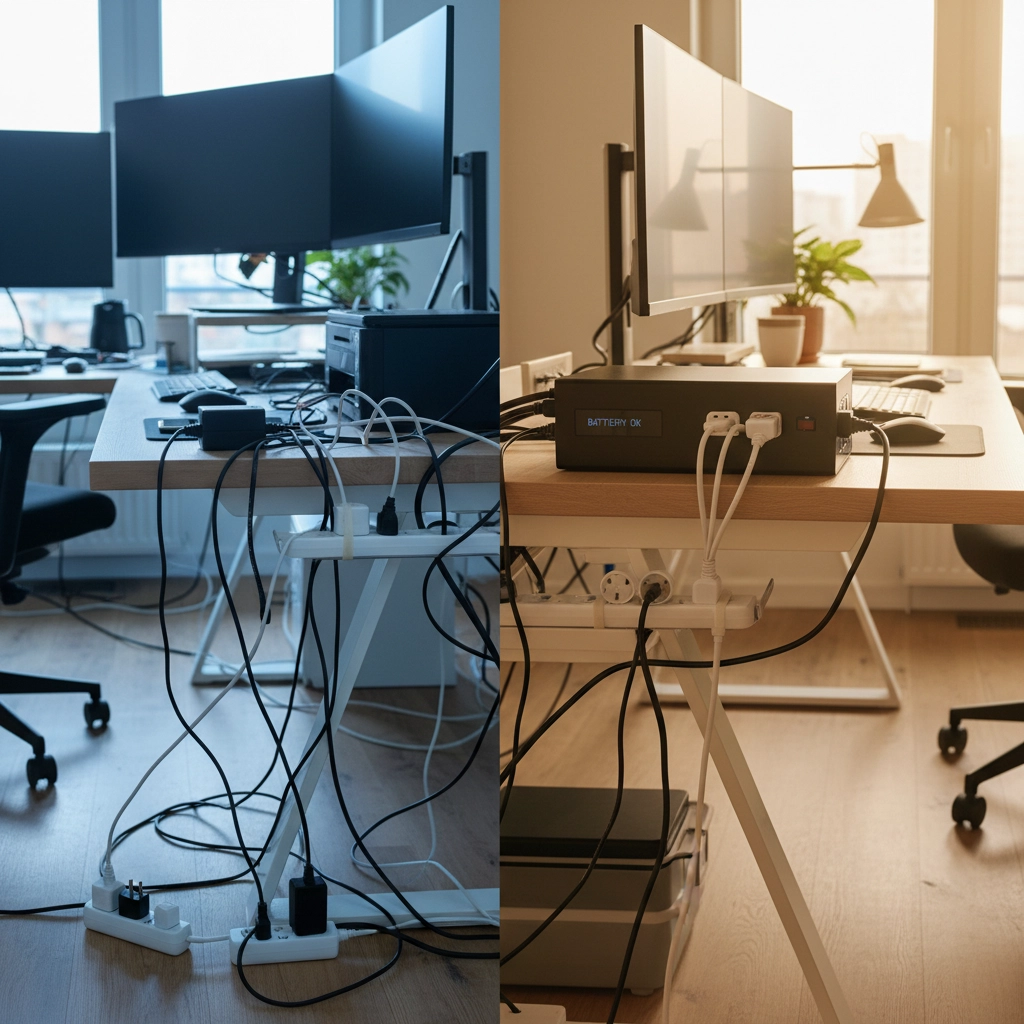
How UPS Systems Help: By providing clean, regulated power directly where you need it, UPS systems reduce dependence on extension cords. Many units also include multiple outlets with built-in surge protection, eliminating the need for power strips and extension cords.
4. Outdated Wiring Systems Unable to Handle Modern Demands
If your home is over 20 years old, its electrical system probably wasn't designed for today's power-hungry lifestyle. Modern homes use significantly more electricity than older wiring systems can safely handle.
Old wiring often lacks proper grounding, uses outdated materials, and has circuit breakers that may not function correctly. When you plug in multiple computers, large TVs, gaming systems, and smart home devices, you're asking your electrical system to do more than it was ever meant to do.
How UPS Systems Help: UPS systems act as a buffer between your sensitive electronics and your home's aging electrical system. They provide clean, stable power while monitoring for the irregular voltages and power quality issues common in older homes.
5. Space Heater Placement and Power Draw Issues
Space heaters are involved in about 40% of home heating fires, often because people underestimate their power requirements and fire risks. These devices draw significant current and generate substantial heat, making them particularly dangerous when connected to inadequate circuits or placed near combustible materials.
The portability of space heaters leads to casual placement near curtains, furniture, bedding, and clothing. Even worse, many people plug them into power strips or extension cords that can't handle the electrical load.
How UPS Systems Help: While UPS systems shouldn't power space heaters directly, they can monitor your home's overall electrical load and alert you when high-draw devices are creating dangerous conditions elsewhere in your electrical system.
6. Arc Fault Dangers in Aging Appliances and Wiring
Arc faults occur when electricity jumps across gaps in damaged wiring, loose connections, or failing appliances. Unlike ground faults that trip GFCI outlets, arc faults can persist undetected, continuously generating heat that eventually ignites surrounding materials.
Modern homes should have Arc Fault Circuit Interrupter (AFCI) protection, but many older homes lack this safety feature. Even in newer homes, AFCIs can fail or may not catch every type of dangerous arc.
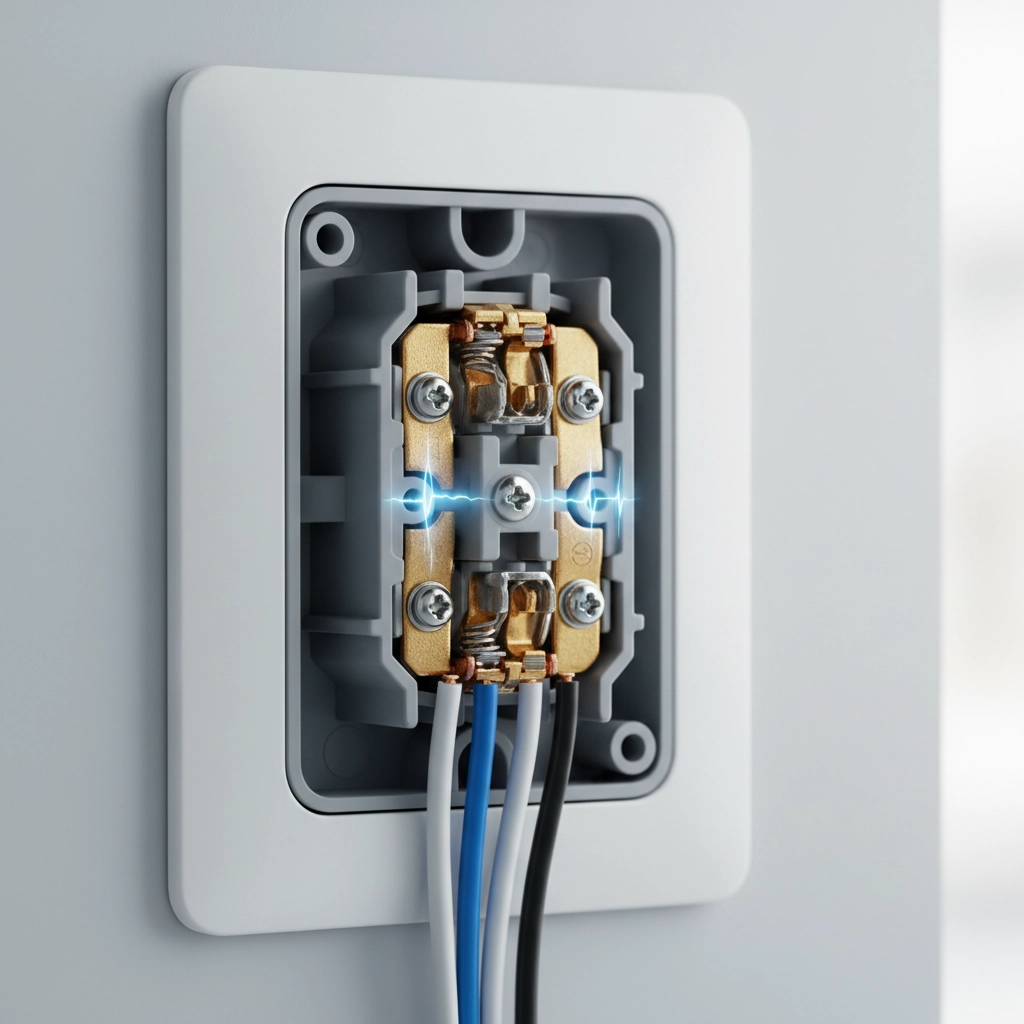
How UPS Systems Help: Smart UPS systems from manufacturers like CyberPower include advanced arc fault detection technology. These systems continuously monitor electrical patterns and can identify the subtle signatures of dangerous arcing before it leads to fire.
7. Faulty Outlets and Aging Appliance Components
Electrical outlets wear out over time, developing loose connections, damaged wiring, and failing internal components. Similarly, aging appliances often have deteriorating internal wiring, failing capacitors, and worn motors that draw excessive current and generate heat.
These problems develop gradually, making them easy to overlook. A slightly warm outlet or an appliance that seems to work fine can hide serious electrical faults that increase fire risk every day.
How UPS Systems Help: Modern UPS units provide comprehensive monitoring of connected devices, detecting changes in power consumption patterns that indicate appliance problems. They can alert you to issues before they become fire hazards and safely shut down faulty equipment.
The Power Protection Advantage
Quality UPS systems do more than just keep your devices running during power outages: they're sophisticated fire prevention tools. By monitoring power quality, detecting electrical anomalies, and providing surge protection, they address multiple fire risk factors simultaneously.
CyberPower's line of UPS systems, for example, includes intelligent monitoring software that tracks power conditions 24/7. These systems can detect potentially dangerous conditions like:
- Voltage fluctuations that stress electrical components
- Power spikes that can damage wiring
- Gradual changes in load patterns that indicate failing equipment
- Temperature increases that suggest overheating problems
Taking Action: Your Next Steps
Don't wait for an electrical fire to reveal the hazards hiding in your home. Start by having a qualified electrician inspect your electrical system, especially if your home is over 15 years old or you've noticed any warning signs like warm outlets, flickering lights, or frequently tripping breakers.
Consider investing in a quality UPS system for your most valuable electronics and critical systems. Not only will you protect against power outages, but you'll also gain valuable monitoring capabilities that can detect fire hazards before they become dangerous.
Ready to upgrade your power protection? Explore our selection of UPS systems designed to keep your home safe and your electronics protected. Our team at Ace Real Time Solutions can help you choose the right system for your specific needs and ensure proper installation for maximum safety benefits.
Remember, electrical fire prevention is about more than just avoiding obvious hazards: it's about creating layers of protection that work together to keep your home and family safe. A quality UPS system is an investment in both convenience and safety that pays dividends every day.