

7 Cybersecurity Mistakes You're Making with Power Protection (and How to Fix Them Before It's Too Late)
Picture this: You've invested thousands in top-tier UPS systems, backup generators, and power distribution units to keep your data center running 24/7. Your uptime is stellar, your clients are happy, and everything seems bulletproof. Then one day, hackers waltz right through your power infrastructure like they own the place, taking down your entire operation without touching a single server.
Sound far-fetched? It's happening more than you think. As power protection systems become smarter and more connected, they're also becoming prime targets for cybercriminals. The same network connectivity that gives you remote monitoring and management capabilities also opens doors for attackers who know exactly which vulnerabilities to exploit.
Here are the seven most common cybersecurity mistakes we see businesses making with their power protection systems: and more importantly, how to fix them before you become the next headline.
Mistake #1: Using Default Credentials on Power Equipment
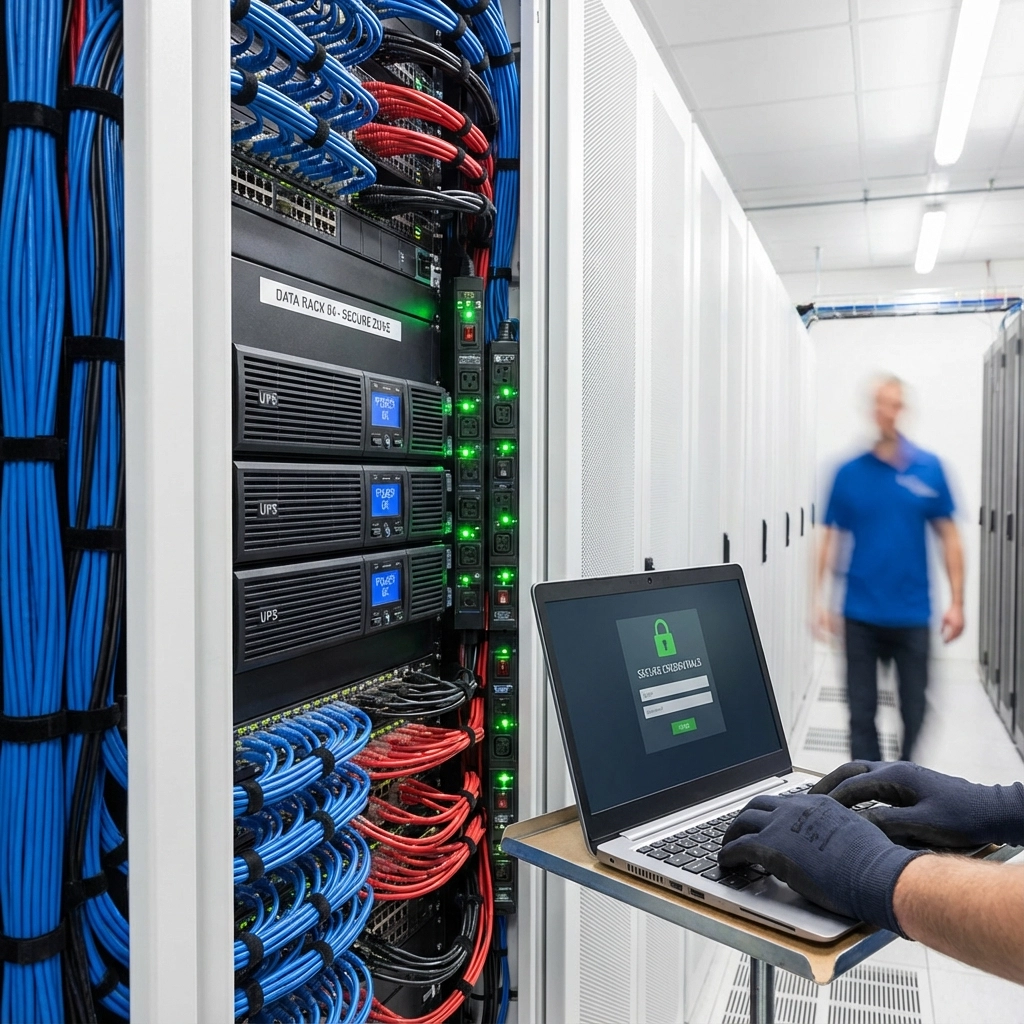
The Problem: Most UPS systems, power distribution units, and monitoring cards ship with default usernames and passwords like "admin/admin" or "apc/apc." IT teams deploy these systems and either forget to change the credentials or assume they're "internal only" so it doesn't matter.
Why It's Dangerous: Attackers can easily find default credential lists online. Once they're on your network, they'll scan for power equipment and try these common combinations. Within minutes, they could have administrative access to systems that control your entire power infrastructure.
The Fix: Change ALL default credentials immediately during installation. Use strong, unique passwords for each device and store them in a password manager. Better yet, disable default accounts entirely and create new administrative accounts with custom usernames. For critical systems, implement certificate-based authentication where supported.
Mistake #2: Running Outdated Firmware with Known Vulnerabilities
The Problem: Power protection equipment often runs for years without firmware updates. Unlike servers that get patched monthly, UPS systems and PDUs are typically "set and forget" devices that only get attention when they fail.
Why It's Dangerous: Cybersecurity researchers regularly discover vulnerabilities in power equipment firmware. The 2015 CVE-2015-5374 vulnerability, for example, allowed attackers to freeze protective relays with a single network packet. Years later, many devices still run vulnerable versions because nobody's updating them.
The Fix: Implement a firmware management strategy for all power protection equipment. Create an inventory of every device, track firmware versions, and schedule regular updates during maintenance windows. If immediate patching isn't possible due to uptime requirements, deploy network-level protections like intrusion detection systems to monitor for exploitation attempts.
Mistake #3: Poor Network Segmentation
The Problem: Power monitoring and management systems often share network infrastructure with regular business systems. When everything's on the same VLAN, attackers who compromise a single workstation can potentially access critical power infrastructure.
Why It's Dangerous: Modern UPS systems and intelligent PDUs are essentially computers with network interfaces. If they're not properly isolated, attackers can use them as pivot points to move laterally through your infrastructure or directly manipulate power systems to cause outages.
The Fix: Implement strict network segmentation with dedicated VLANs for power infrastructure. Use firewalls to control traffic between segments, and consider air-gapped networks for the most critical systems. Remote management should go through secure jump hosts or VPN connections, never direct internet access.
Mistake #4: No Monitoring or Logging
The Problem: While businesses carefully monitor server logs and network traffic, power equipment activities often go unlogged. Most organizations have no idea who's accessing their UPS management interfaces or what changes are being made.
Why It's Dangerous: Without proper logging, security breaches can go undetected for months. Attackers can quietly modify power settings, gather intelligence about your infrastructure, or plant backdoors for future attacks. When something eventually goes wrong, you'll have no audit trail to understand what happened.
The Fix: Enable logging on all power equipment and integrate logs with your central SIEM system. Monitor for suspicious activities like login failures, configuration changes, or unusual power events. Set up automated alerts for critical actions like emergency shutdowns or transfer switch operations.

Mistake #5: Ignoring Physical Security
The Problem: Many businesses focus heavily on network security while overlooking physical access to power equipment. UPS systems, transfer switches, and power panels are often located in easily accessible areas with minimal access controls.
Why It's Dangerous: Physical access trumps virtually all cybersecurity measures. An attacker with physical access can install hardware keyloggers, USB devices for persistent access, or simply modify equipment directly. They can also perform attacks that would be much harder to execute remotely.
The Fix: Treat power equipment locations as secure zones requiring proper access controls. Use badge readers, security cameras, and intrusion detection for electrical rooms and data centers. Regular security audits should include physical assessments of power infrastructure, not just IT systems.
Mistake #6: Legacy Protocol Vulnerabilities
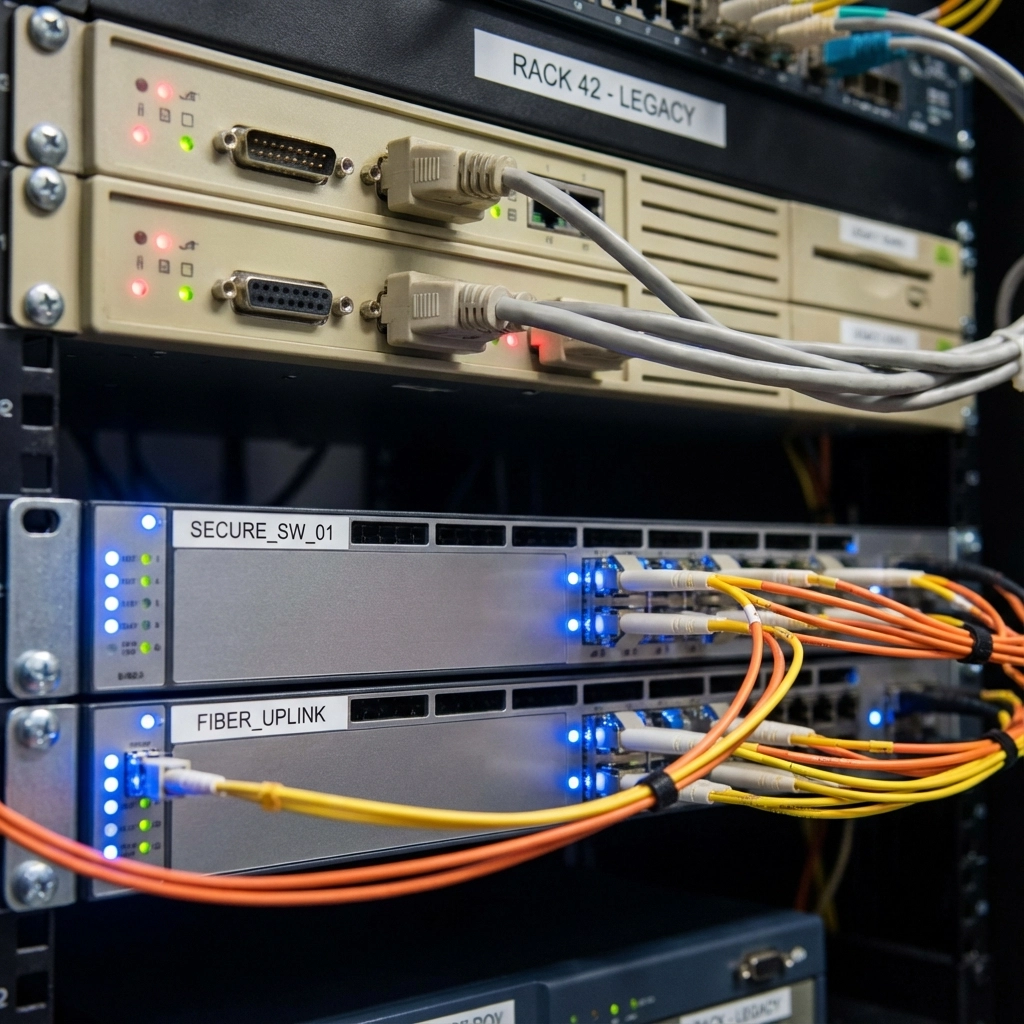
The Problem: Many power protection systems still use older protocols like SNMP v1/v2c, HTTP, or proprietary protocols that were designed decades ago without security in mind. These protocols often transmit data in plain text and lack proper authentication mechanisms.
Why It's Dangerous: Attackers can easily intercept and manipulate communications using these protocols. They can steal credentials, modify device settings, or inject false data to trigger unnecessary shutdowns or prevent legitimate emergency responses.
The Fix: Upgrade to secure protocol versions wherever possible (SNMPv3, HTTPS, SSH). For legacy systems that can't be upgraded, implement encryption at the network layer using VPNs or secure tunnels. Consider protocol gateways that can translate between secure and legacy protocols while maintaining security boundaries.
Mistake #7: No Incident Response Plan for Power Systems
The Problem: Most organizations have incident response plans for traditional IT security breaches, but few specifically address compromised power infrastructure. When power systems are attacked, teams often don't know whether to treat it as a facilities issue, an IT security incident, or an operational emergency.
Why It's Dangerous: Confusion during a power-related cyber incident can lead to prolonged outages, improper response procedures, or failure to preserve evidence. The stakes are higher because power attacks can immediately impact business operations, not just data confidentiality.
The Fix: Develop specific incident response procedures for power infrastructure attacks. Train both facilities and IT security teams on these procedures. Establish clear escalation paths and decision-making authority. Practice with tabletop exercises that simulate power system compromises, including scenarios where both primary and backup power systems are affected.
Building Comprehensive Power Infrastructure Security
These seven mistakes might seem overwhelming, but addressing them systematically can dramatically improve your security posture. Start with the basics: change default credentials and implement network segmentation: then work toward more advanced capabilities like comprehensive monitoring and incident response.
Remember that cybersecurity isn't a one-time project; it's an ongoing process that must evolve with new threats and technologies. As power protection systems become more sophisticated and interconnected, the potential attack surface continues to expand.
The key is taking a holistic approach that treats power infrastructure as critical IT assets deserving the same security attention as servers and network equipment. After all, when the power goes out, everything else stops working anyway.
If you're evaluating your current power protection setup or planning new installations, consider working with experienced vendors who understand both power engineering and cybersecurity requirements. The right partner can help you implement solutions that provide both reliable power protection and robust security from day one.
Ready to secure your power infrastructure? Contact us to discuss how modern power protection solutions can deliver both reliability and security for your operations. Don't wait for an attack to discover your vulnerabilities: let's start building a more secure power foundation today.